Households with electric heaters face £180 charges from April | Personal Finance | Finance

Households with electric heaters face smaller charges from April (Image: Getty)
Households using electric heaters could still face hefty running costs this year — even with a small drop in energy bills from April. From April 1, Ofgem’s new energy price cap will fall by £117 to £1,641 a year for a typical household, offering some relief after the higher £1,758 cap seen earlier in the year.
Electricity prices will also dip slightly, down to 24.67p per kWh — around 3p cheaper. But while that sounds like good news, the reality is more mixed. Electric heaters remain one of the most expensive appliances to run, so they can still set you back substantially.
Read more: NatWest banker tells customers ‘increase your money’ with ‘£10 rule’
Read more: Martin Lewis issues statement after ITV show fury – ‘Not my smoothest’
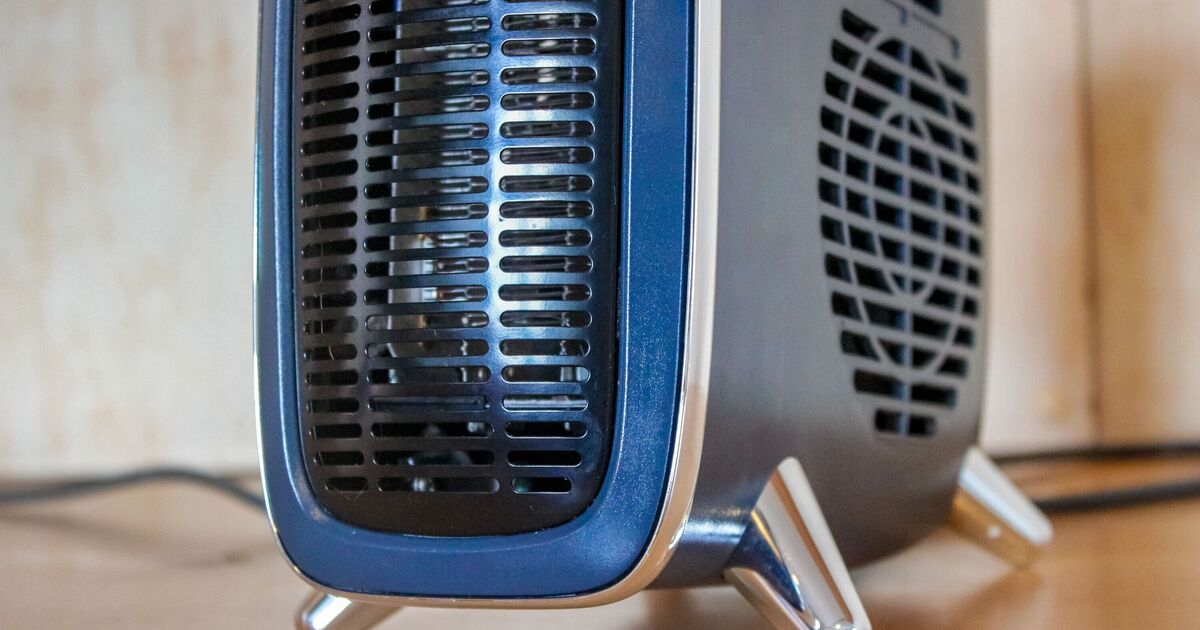
A standard 2kW fan heater will still cost around 49p an hour on full power, according to Smart Money Tools. If you use it for two hours every evening, that would set you back 99p per day, which is £30.02 over a month, and a whopping £360.18 per year.
Let’s be realistic: nobody tends to have the heating on year-round, so for six months a year, it could amount to £180.09.
Under the previous price cap, when electricity cost 27.69p per kWh, the same heater used for two hours per day would have cost £1.11, or £33.69 a month, and a staggering £202.14 for six months.
That means a household that relies on electric heaters, with an average daily use of 2 hours, could save around £22 per year.
It might not sound like much, but when similar reductions apply to several appliances around the home, those small savings can begin to make a noticeable difference. Even a simple toaster can save money over the year.
Energy use varies widely between appliances. Some heaters can even use up to 3,000 watts, while smaller devices may run on 1,000.
The reduction in the energy costs came as part of a Government pledge to reduce bills by an average of £150. “This means millions of households will benefit from lower energy bills,” it said in a February announcement.
Chancellor Rachel Reeves told the BBC that the Government was “putting more money in people’s pockets,” and improving public services.
But Conservative Shadow Energy Secretary Claire Coutinho said Labour was “pulling the wool over people’s eyes by moving some costs off your energy bill and putting them straight onto your tax bill“.
The cap is based on a “typical household” using 11,500 kWh of gas and 2,700 kWh of electricity a year, with a single bill for gas and electricity, settled by direct debit.