‘I’m a vet and there one thing I’d do on day one of bringing a puppy home’

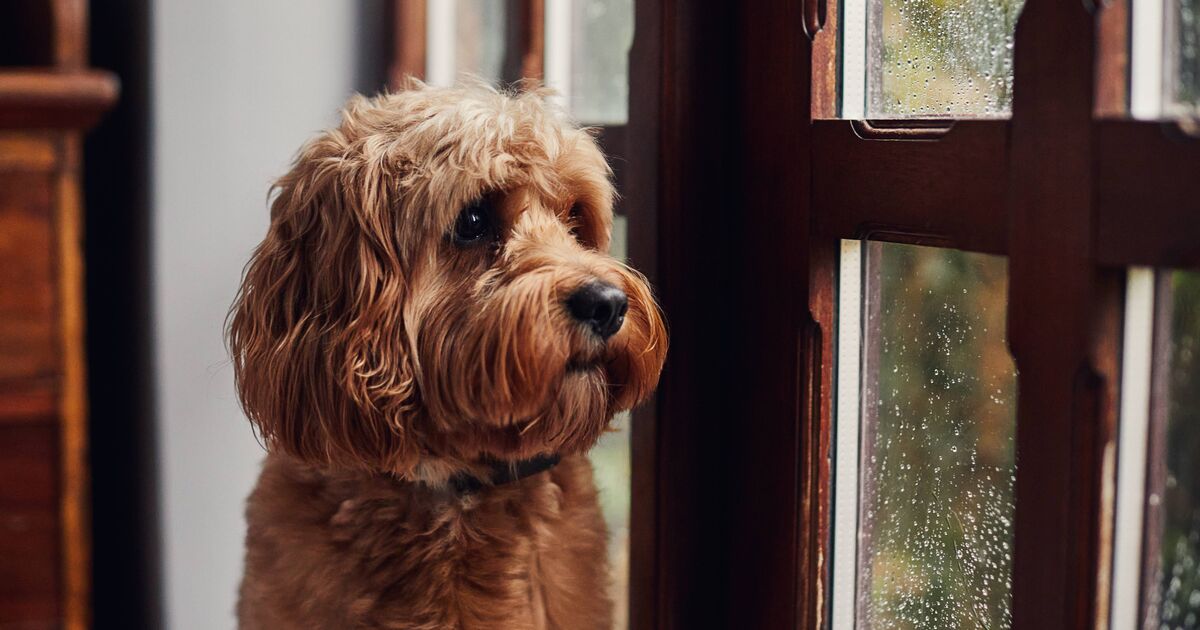
Puppies need special attention from day one (Image: Sally Anscombe via Getty Images)
Monday marks National Puppy Day in the UK and to help dog lovers celebrate the occasion, a vet has identified nine essential things every pet owner needs to do as soon as they bring their cherished puppy home.
Bringing home a puppy is an exciting and often daunting experience, and according to Jen Wormleighton, Head of Veterinary Services at Animal Friends, the first few months of a pup’s life is a vital window for establishing behaviour, habits and long-term health.
At the same time, Animal Friends’ own research shows just how central dogs have become to people’s lives, with more than a quarter (27%) saying their canine brings them emotional support and companionship, and 61% saying investing in their pet’s health and wellbeing, including having the right support in place should the unexpected happen, is an important way they show affection.
What every new puppy owner should know…
According to Jen, concentrating on a few key fundamentals can help owners avoid common early mistakes:

Puppies need lots of attention (Image: undefined)
1. Know Your Puppy’s Stage Before They Arrive
By eight weeks, most puppies are weaned, exploring, and ready to learn. It helps to check your puppy’s exact age with the breeder or rescue centre so you know what they need when they come home. It also means you can plan things like training, feeding, and early routines with confidence.
2. Book Their Vaccinations, Flea and Worming Treatments Straight Away
If your puppy hasn’t had their first jabs, arrange them as soon as they prance through your front door. Maintain boosters every 2–4 weeks and keep up with their flea and worming treatments as well. These initial steps aid in protecting them as they grow and discover their new surroundings.
Before your puppy comes home, register them with a vet so you’re prepared for routine care, advice and emergencies. Ensure they are microchipped, then update your contact details with the appropriate database, such as Pet Database, to maintain accuracy. If you’re adopting, your puppy should already have had a health check and vaccinations, but it’s still beneficial to understand the ongoing responsibilities, so you feel ready for the journey ahead.

You need to make sure you register with a vet (Image: Getty Images)
4. Start Socialisation from Day One
Puppies between eight and twelve weeks are like little sponges. It’s the ideal time to gently introduce new people, sounds, objects, and everyday handling. If they’re not fully vaccinated yet, carry them outdoors so they can safely observe the world passing by. These small early experiences help shape a confident, relaxed pup.
5. Establish a Simple Toilet Routine
First thing in the morning, after naps, meals, and playtime and every hour or so in between, take your puppy to their toilet spot. Choose the same place each time, such as a patch of grass, and reward them when they get it right. Little and often works wonders.
6. Begin Gentle Training on Day One
You can commence teaching simple commands as soon as your puppy arrives. Brief sessions with treats and praise will assist them in learning to sit, come, and take treats politely. Keep it enjoyable, keep it light, and end on a high note.
7. Provide Chews to Redirect Nipping
Teething occurs early, and those tiny teeth can be sharp. Keep a few safe chew toys close by and swap them in when your pup starts nibbling hands or clothes. It teaches them what’s acceptable to chew and helps soothe sore gums.

Puppies need to be socialised from day one (Image: Getty Images)
8. Limit Walks Until They’re Fully Vaccinated
Once your puppy has had their vaccinations, begin with short, gentle walks. Prior to that, stick to carrying them outside for fresh air and sights without any risk of infection.
9. Establish a Daily Routine Early On
Feeding, toilet breaks, naps, playtime, and training work best when they occur around the same time each day. A simple routine helps your puppy feel secure and makes learning easier for both of you.