Iran’s sick ‘human chain’ appeal to young people as Trump’s deadline looms | World | News
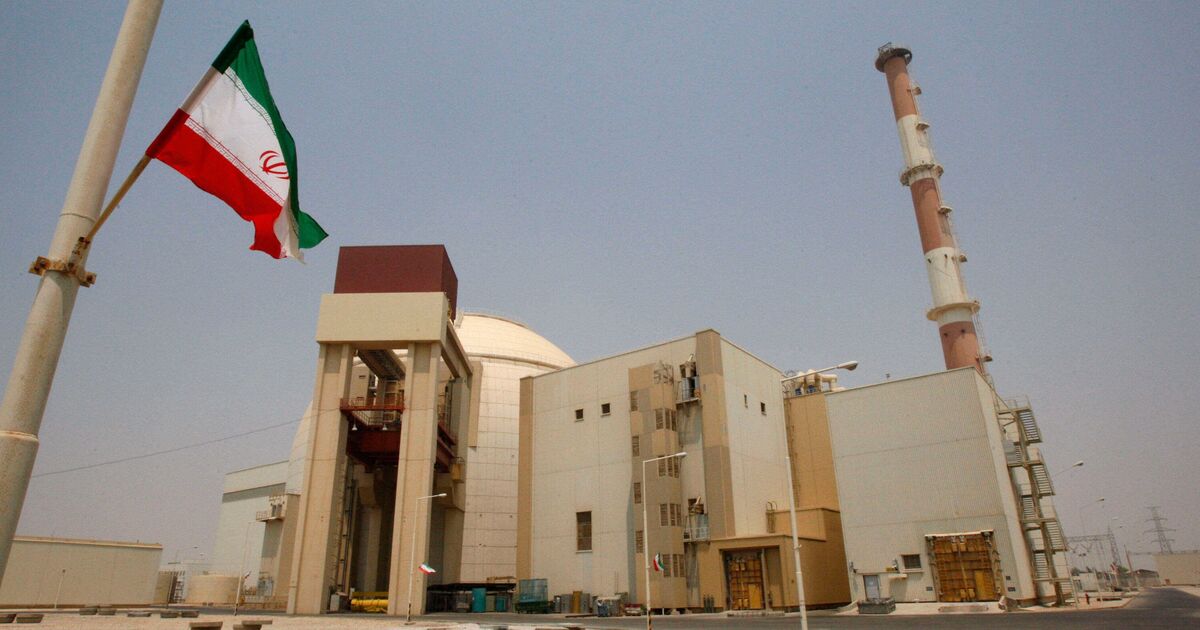
Iran has called on young people to form “human chains” around the country’s power plants as Donald Trump’s deadline for Tehran to reopen the Strait of Hormuz draws closer. The appeal was made by Alireza Rahimi, identified by Iranian state television as the secretary of the Supreme Council of Youth and Adolescents.
In a video call broadcast during a newscast, Mr Rahimi invited “all young people, athletes, artists, students and university students and their professors” to gather around key sites on Tuesday afternoon. He urged them to gather on “Tuesday at 2pm around the power plants that are our national assets and capital, regardless of any taste or political viewpoint, belong to the future of Iran and to the Iranian youth.” The extraordinary move came after Trump warned Iran it must reopen the Strait of Hormuz to all shipping traffic by 1am BST on Wednesday or face further strikes. Under growing pressure at home as consumers feel the pinch, the US President has demanded that Tehran comply or see power plants and bridges “wiped out”.
The threat to target civilian infrastructure has prompted warnings that such attacks could amount to war crimes.
New Zealand Prime Minister Christopher Luxon urged Mr Trump not to follow through with the threat.
He told Radio New Zealand: “The focus needs to be on not seeing this conflict expand any further.”
Mr Luxon added: “Any of those actions including bombing bridges and reservoirs and civilian infrastructure would be unacceptable.”
The United Nations has also voiced alarm.
UN Secretary-General António Guterres warned that attacks on civilian infrastructure are banned under international law, according to his spokesperson.
However, Mr Trump appeared dismissive of the criticism.
Speaking to reporters, he said he was “not at all” concerned about committing war crimes with such attacks.
Iran has previously formed human chains around nuclear sites during periods of heightened tension with Western countries.
During the 1991 Gulf War, Iraqi dictator Saddam Hussein resorted to similar human shield tactics, placing foreign nationals held by his security forces near potential targets of the US-led military campaign.