James Van Der Beek’s death follows rise of colon cancer in healthy 40-somethings
NEWYou can now listen to Fox News articles!
Following actor James Van Der Beek‘s death after a 2-½-year battle with colon cancer, experts are warning of the disease’s prevalence among younger people.
The “Dawson’s Creek” star announced his stage 3 colon cancer diagnosis in November 2024, although he was officially diagnosed in August 2023 after a colonoscopy.
In an August 2025 feature with Healthline, Van Der Beek revealed the first warning sign of colon cancer was a change in bowel movements, which he chalked up to an effect of drinking coffee.
JAMES VAN DER BEEK, ‘DAWSON’S CREEK’ AND ‘VARSITY BLUES’ STAR, DEAD AT 48
“Before my diagnosis, I didn’t know much about colorectal cancer,” the actor said. “I didn’t even realize the screening age [had] dropped to 45; I thought it was still 50.”

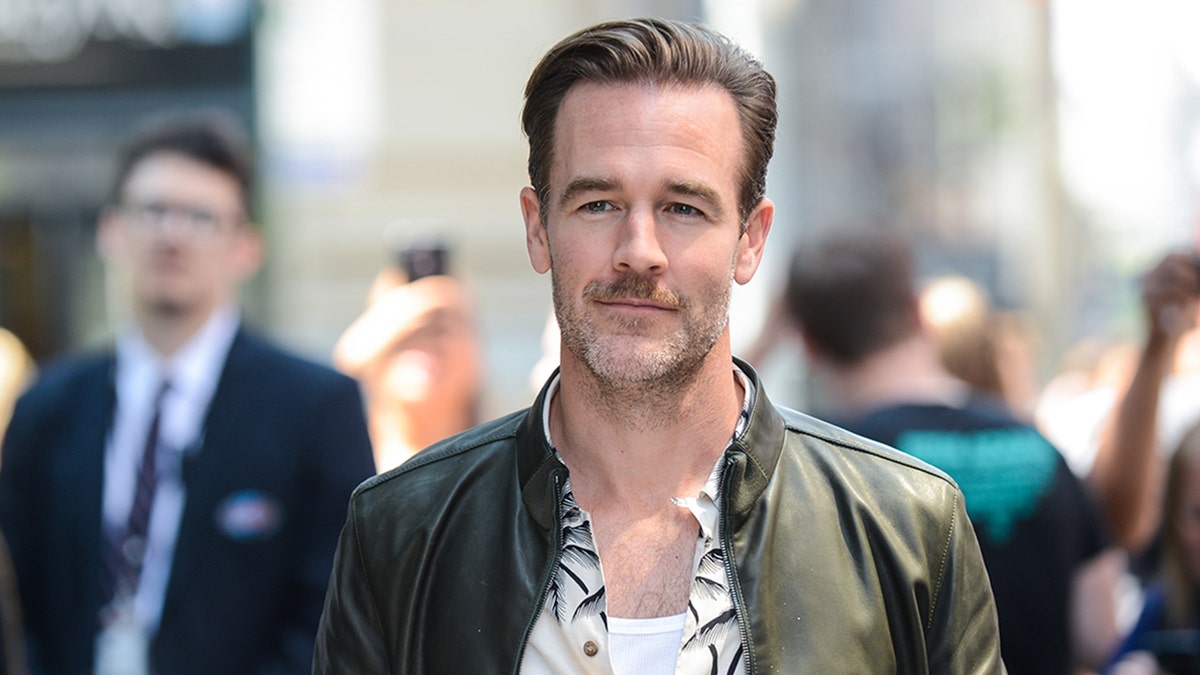
Following actor James Van Der Beek’s death after a 2-½-year battle with colon cancer, experts are warning of the disease’s prevalence among younger people. (Ray Tamarra/GC Images)
Risk on the rise
Recent research has shown an alarming rise in colorectal cancer (CRC) cases among younger individuals.
The American Cancer Society published evidence in January that colorectal cancer is now officially the leading cause of cancer-related death among men and women 50 and younger.
COLORECTAL CANCER NOW DEADLIEST TYPE FOR CERTAIN GROUP OF AMERICANS, STUDY FINDS
This is a significant increase from the 1990s, when it was the fifth deadliest.
While overall cancer deaths have been on the decline for this age group since 1990, dropping by about 44% combined, CRC is the only major cancer that has seen a spike in mortality for those under 50 during that time period, the researchers noted.
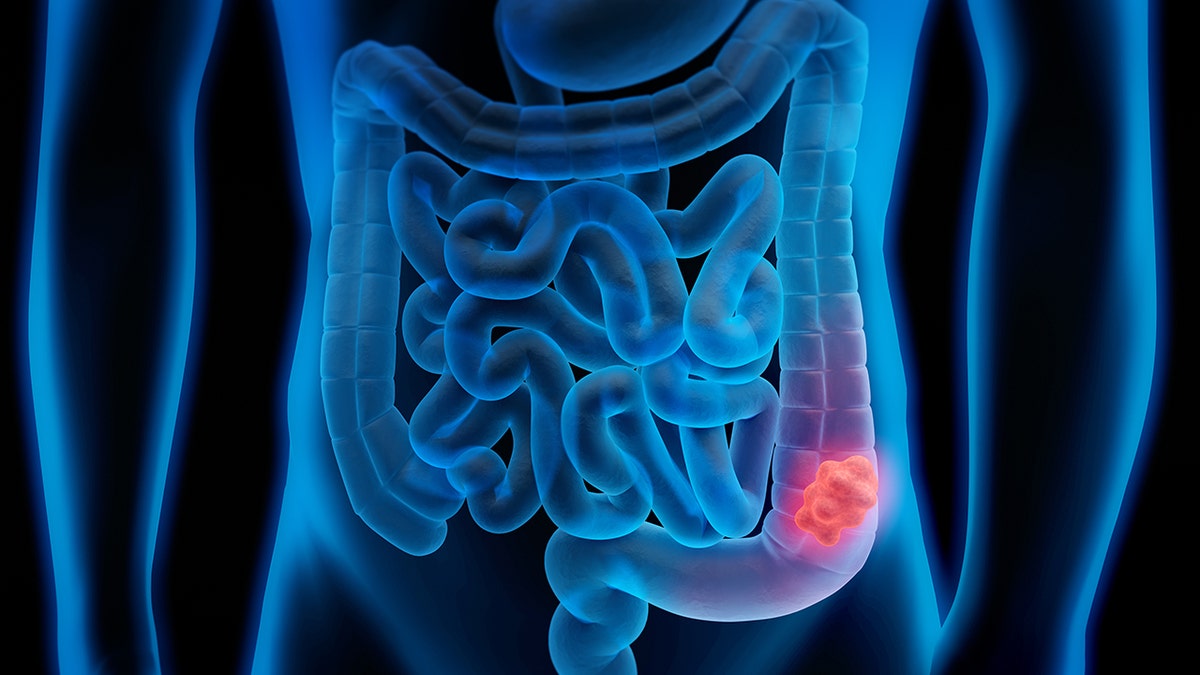
Colorectal cancer is now officially the leading cause of cancer-related death among men and women 50 and younger. (iStock)
Dr. Aparna Parikh, medical director of the Center for Young Adult Colorectal Cancer at the Mass General Cancer Center, who is not affiliated with the ACS, shared that experts don’t “entirely understand why” cases are on the rise.
“But it seems to be an interplay of a person’s risk factors, overall makeup and early exposures,” she previously told Fox News Digital. “The exposures include dietary exposures, environmental exposures and possible antibiotic exposures, as well as lifestyle factors in the right host.”
ACTOR WITH COLORECTAL CANCER SHARES SIMPLE SIGN THAT HE IGNORED: ‘I HAD NO IDEA’
Another recent ACS study discovered that drinking heavily and consistently over an adult’s lifetime could lead to a higher risk of colorectal cancer.
Other primary risk factors include family history, obesity, smoking, a diet high in red and processed meats, inflammatory bowel disease, and a personal history or family history of polyps.
In a Thursday appearance on “America’s Newsroom,” Fox News senior medical analyst Dr. Marc Siegel commented on the rise of CRC among younger individuals.
“There is a genetic issue, but there’s also ultraprocessed foods — a new study out of Mass General shows a high diet in that … [you’re] 45% more likely to have colon cancer,” he said.
COLORECTAL CANCER MAY CAUSE THESE 4 HIDDEN WARNING SIGNS, EXPERTS SAY
There is also a 30% increase in risk with a diet higher in processed meats, like hot dogs, and a 20% increase with diets higher in red meat, according to Siegel.
“These are the villains here,” he said. “That, plus genetics. And I’m urging everyone out there — change the age for screening to 45, or even below if you have risk factors. That’s really key.”
Recognizing red flags
While there may be no symptoms of CRC before diagnosis, especially in the early stages, certain symptoms should not be overlooked, experts say.
CLICK HERE FOR MORE HEALTH STORIES
Professor Eitan Friedman, MD, PhD, an oncologist and founder of The Suzanne Levy-Gertner Oncogenetics Unit at the Sheba Medical Center in Israel, confirmed that changes in bowel habits is the primary red flag that should raise the suspicion of colorectal cancer.

Abdominal discomfort and stomach pain, including cramps, bloating and gas, may be sneaky signs of colorectal cancer. (iStock)
Other symptoms include fatigue as a result of anemia, a change in bowel movements, stomach pain or abdominal discomfort, rectal bleeding or blood in stool, weakness and unexplained weight loss, Friedman, who did not treat Van Der Beek, told Fox News Digital.
CLICK HERE TO SIGN UP FOR OUR HEALTH NEWSLETTER
Dr. Erica Barnell, MD, PhD, a physician-scientist at Washington University School of Medicine — and co-founder and chief medical officer at Geneoscopy — noted that the actor’s experience of having no “glaring” signs is common.
“Many colorectal cancers develop silently, without obvious symptoms,” Barnell, who also did not treat Van Der Beek, told Fox News Digital. “By the time symptoms appear, the disease may already be advanced.”
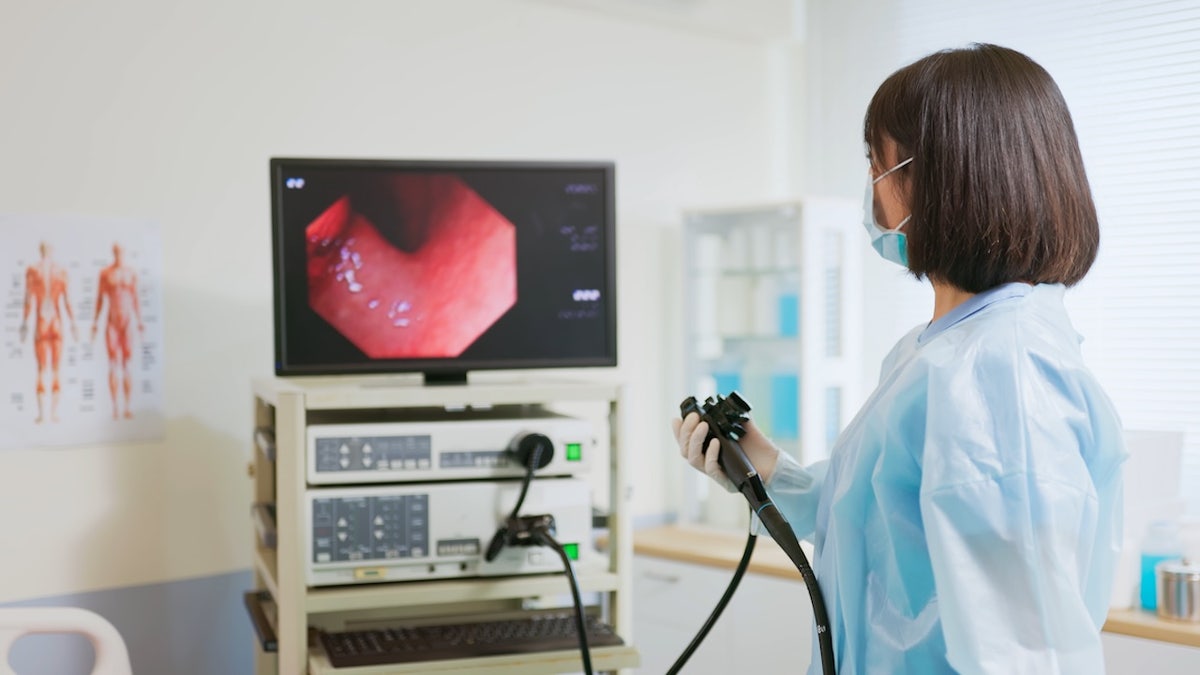
Family history and lifestyle habits such as smoking and drinking can increase CRC risk. (iStock)
The key to getting ahead of colorectal cancer is early detection, according to experts.
“Colonoscopy at age 45 onwards, at five- to 10-year intervals, has been shown to lead to early detection of polyps that have the potential to become malignant, and to allow for their removal as an effective means of minimizing the risk of malignant transformation,” Friedman said.
CLICK HERE TO DOWNLOAD THE FOX NEWS APP
Unfortunately, Barnell noted, “screening compliance in the U.S. remains below national targets, and gaps are widest in rural, low-income and minority communities.”
“Most people don’t like talking about bowel habits, but paying attention to changes can save your life,” the doctor said. “Screening gives us the chance to find problems early — often before you feel sick — and that can make all the difference.”
TEST YOURSELF WITH OUR LATEST LIFESTYLE QUIZ
Siegel also pushed for colonoscopies as the best method to screen for CRC, especially if a polyp is detected and removed before turning into cancer.
Fox News Digital’s Christina Dugan Ramirez contributed to this report.