Martin Lewis reveals UK supermarkets’ ‘hidden’ trick to get shoppers to spend | Personal Finance | Finance

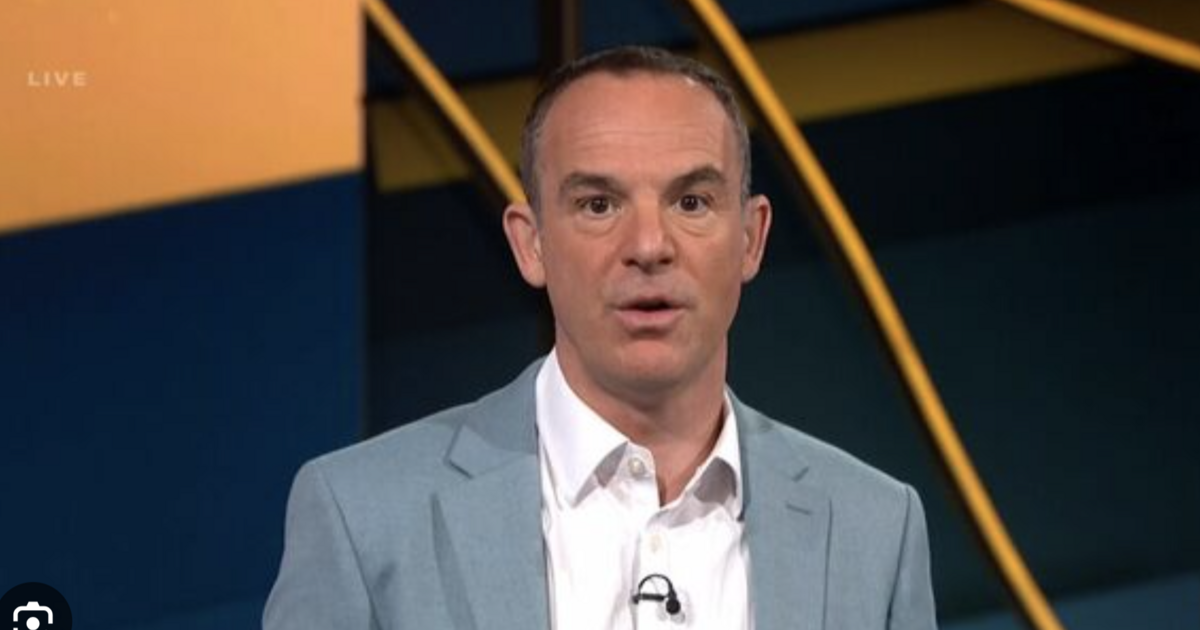
Martin Lewis shared supermarkets’ hidden tactics to persuade their buyers to spend more (Image: ITV)
Martin Lewis has lifted the lid on what he describes as UK supermarkets’ “hidden” tactics designed to quietly encourage shoppers to spend more than they intended, often without realising it.
With January widely regarded as one of the toughest months financially, many households are still recovering from festive spending, juggling debts and facing a long wait until their next payday. While cutting back on groceries can feel difficult, Lewis says shoppers could save money simply by understanding how supermarkets are designed to influence behaviour.
READ MORE: Martin Lewis shares five ways to claim thousands back through checks
READ MORE: Martin Lewis shares how Britons can get ‘free money’ for Christmas

Supermarkets deliberately spread everyday essentials to make shoppers walk past tempting items (Image: Getty)
Writing on MoneySavingExpert, Lewis branded supermarkets “cathedrals of consumerism”, explaining that everything from store layout to shelf height is carefully planned to nudge customers into adding extra items to their baskets, the Mirror reported.
These techniques fall under what experts call the psychology of retail – tapping into instinctive habits that affect how people shop.
One of the most effective tricks is store layout. Supermarkets deliberately spread everyday essentials such as milk, bread and eggs across different areas, forcing shoppers to walk past multiple aisles filled with tempting products.
While this is hard to avoid, MoneySavingExpert advises keeping a clear budget in mind and sticking closely to a list. Shoppers are also warned never to shop while hungry, as this makes impulse purchases far more likely.
Another common tactic is eye-level shelving. Products placed directly at eye height tend to be the most profitable for retailers, while cheaper or better-value alternatives are often positioned higher or lower.
Items aimed at children are frequently placed at their eye level too, increasing the chances they will ask parents to buy them. Lewis advises shoppers to “look high and low” to uncover better deals.
Sales signage can also be misleading. Bright colours and words such as “sale”, “discount” or “special offer” are designed to grab attention, even when the savings are minimal.
Labels like “premium” can also create the impression of superior quality, despite products sometimes being made in the same factories as cheaper versions. MoneySavingExpert suggests checking unit prices and ingredients carefully to see whether a product really offers value.
Finally, Lewis highlighted the familiar displays near tills, packed with snacks, sweets and magazines. These items are chosen specifically to encourage last-minute impulse buys while customers wait to pay.
As the site notes, placing them at the checkout gives supermarkets “one last attempt to grab our cash”.
By being aware of these tactics, Lewis says shoppers can regain control of their spending – and potentially cut their grocery bills without changing what they eat.