People with Rosacea urged to make simple indoor change
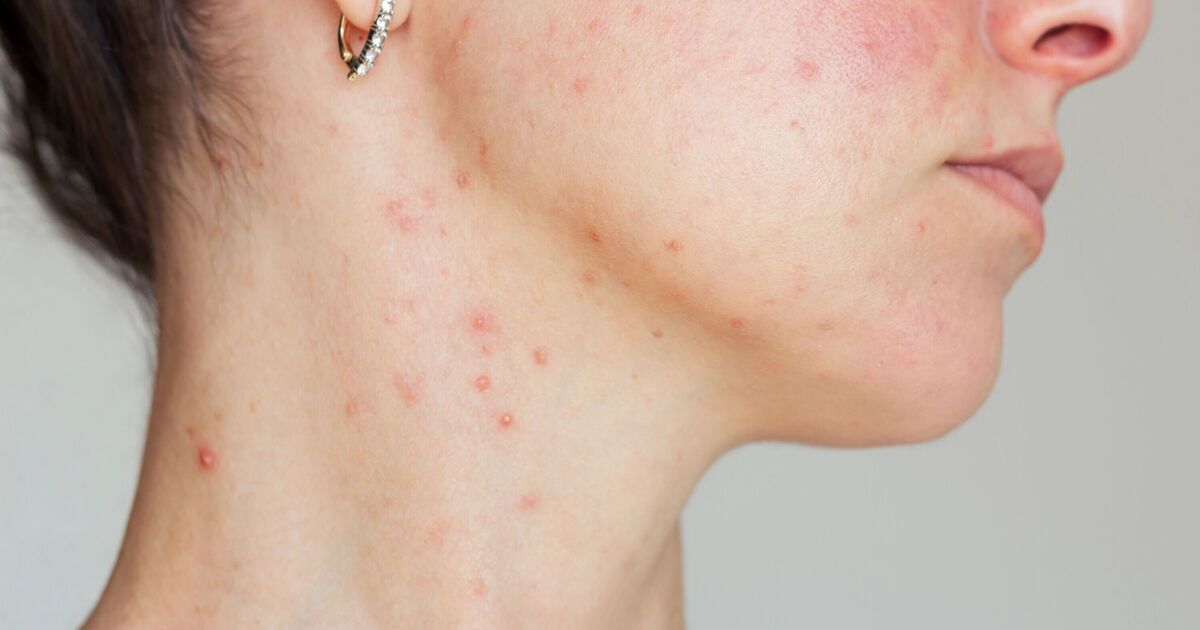
People suffering from Rosacea have been warned that this month could trigger a flare-up. This is a long-term skin condition that primarily affects the face, and while exposure to the outdoors can be an issue, many may not realise that indoor environments can also cause trouble.
According to experts at Rosacea.org, “seasonal changes in the weather affect rosacea sufferers.” In fact, in a National Rosacea Society survey of 852 survey respondents, nearly 90% said their condition is affected by the change in seasons.
It notes: “Cold weather is a major trigger for many people with Rosacea. Exposed skin is vulnerable skin.”
However, it also warned that “too much indoor heat can also be a trigger for many, so be sure to adjust your thermostat to a temperature that won’t cause you to overheat.”
When heading outside, a heavy scarf or hood may be helpful for protecting against the elements in winter. If temperatures are really cold, a face mask can be effective in protecting the cheeks and nose. It’s not just winter that can cause a flare-up. The skin experts say that regardless of the time of the season, it is vital that you stick with “your prescribed medical therapy and gentle skin care routine”.
Stressing that these simple steps can “go a long way toward preventing potential flare-ups”, it suggests that “if you haven’t visited a dermatologist in a while, now may be a good time, as there are more treatment options available than ever before to address your personal combination of signs and symptoms”.
Do I have Rosacea?
According to the NHS, the first signs of Rosacea include:
- redness (blushing) across your nose, cheeks, forehead, chin, neck and chest that comes and goes, usually lasting for a few minutes each time – your face may also feel warm, hot or painful. The redness may be harder to see on brown or black skin.
- a burning or stinging feeling when using water or skincare products
- dry skin
- swelling, especially around the eyes
- yellow-orange patches on the skin
- sore eyelids or crusts around roots of eyelashes – this could be blepharitis
- thickened skin, mainly on the nose (usually appears after many years)
What are the triggers for Rosacea?
As well as seasonal changes and the incorrect temperature indoors, other triggers may include:
- alcohol
- spicy foods
- hot drinks
- sunlight
- hot or cold temperatures
- aerobic exercise, like running
- being stressed
If you don’t have Rosacea but have similar symptoms, you may actually have the following as it can look a lot like other conditions:
- acne
- contact dermatitis, seborrhoeic dermatitis and other types of dermatitis
- lupus
- keratosis pilaris
Support
The charity Changing Faces can offer advice and support if you’re feeling anxious or depressed.
You can call the Changing Faces support and information helpline on 0300 012 0275. You can also find out more about the Changing Faces Skin Camouflage Service.