Put washing up liquid on your walls this week
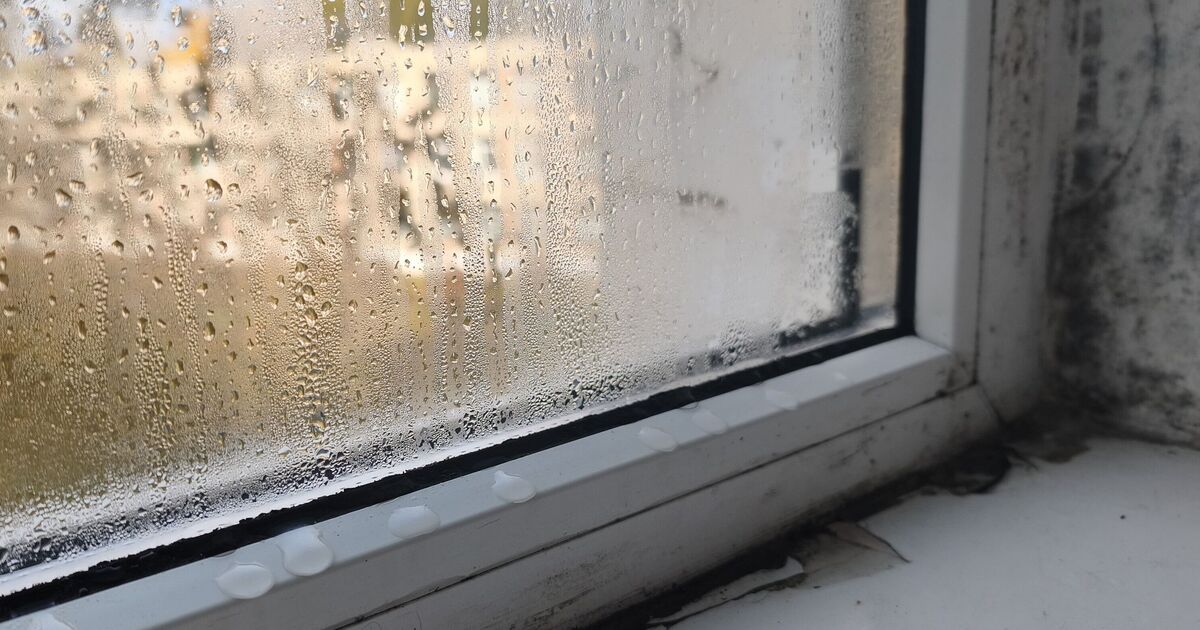
Mould is very common at this time of year. With freezing temperatures outdoors, we often end up drying our clothes indoors. But did you know this can unintentionally create the perfect conditions for mould to grow in our homes?
It’s not just our properties that can be affected – mould can also have an impact on our health. According to AXA UK, mould is a type of fungus that feeds on dead organic matter and thrives in damp, humid environments. Once it takes hold indoors, it can spread quickly and lead to a range of health problems.
The problem will be something people need to consider this week, with snow expected to hit parts of Britain on Thursday, according to the Met Office, as their forecasters predict ‘very cold conditions’ as the New Year begins.
Common causes of mould in the home include high humidity, condensation, rising damp, and poor ventilation. Ventilation is often the biggest issue, particularly when clothes are dried indoors, extractor fans aren’t used while cooking, or bathrooms lack proper airflow during showers.
Mould can trigger various health issues such as:
- Respiratory infections
- Worsening asthma
- Depression
- Allergic reactions
- Wheezing, sneezing and coughing
It may affect certain groups of people more than others, such as
- Elderly people
- Infants and children
- People with existing skin problems, such as eczema
- People with respiratory problems, such as allergies and asthma
- People with a weakened immune system, such as those undergoing chemotherapy
However, experts at Which? say mould can often be tackled using a simple, low-cost household item, and it’s one you may already have. A bottle of washing-up liquid can cost as little as 62p from supermarkets like Asda. Which? explains: “A few drops of washing-up liquid mixed with warm water can be very effective on small patches of mould on hard surfaces such as walls or floors.”
Here is the process for cleaning mould:
- Surface cleaning: Begin by gently removing loose spores using a vacuum or a soft-bristled brush.
- Soap application: Use a cloth or sponge to scrub the affected area with soapy water, applying firm, circular motions.
- Iterative rinsing: For deep-set stains, repeat the scrubbing process. Always rinse the surface and your cleaning tools with fresh water between rounds.
- Vinegar treatment: Tackle persistent mould by spraying a solution of equal parts white vinegar and warm water. For severe cases, increase the vinegar concentration and let the mixture sit for 60 minutes.
- Thorough drying: Wipe off any leftover solution with a fresh cloth and ensure the area is completely dry to stop mould from returning.
How to clean mould
- Preparation: Remove loose spores using a soft brush or a vacuum cleaner.
- Soap solution: Apply warm, soapy water with a sponge, cloth, or brush, scrubbing gently in circular motions.
- Repeat and rinse: For stubborn areas, repeat the process and rinse thoroughly, cleaning your sponge between attempts.
- Vinegar treatment: Spray a 1:1 mix of white vinegar and warm water (use more vinegar for tougher mould) and leave for up to an hour.
- Dry thoroughly: Wipe away residue with a clean cloth and allow the area to dry completely to help prevent regrowth
How to prevent mould
To reduce the chances of mould returning, Which? recommends:
- Ventilating your home regularly and keeping it tidy
- Using a dehumidifier
- Avoiding drying clothes indoors
- Always using extractor fans when cooking
- Ensuring your home is properly heated and well-insulated