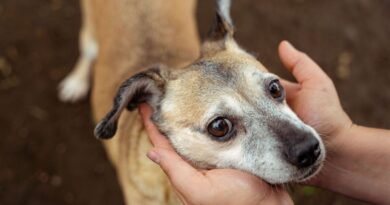
‘Serious damage’ warning issued to millions of UK dog owners
Millions of dog owners across the UK have been warned they could cause their pets ‘serious damage’, with experts advising immediate action to avoid any potential harm.
With Christmas just around the corner, it’s important to remember that while the festive season brings joy and merriment for many, certain holiday traditions can pose risks to our canine companions.
The temptation to share your Christmas feast with your pet or use leftovers as treats is understandable, but it’s crucial to know which foods are safe for dogs and cats and dispel any misconceptions about their dietary needs.
Richard Green, a pet food expert at Kennedy Wild Bird Food & Pet Supplies, has provided guidance on which Christmas dinner items are safe for dogs and which should be avoided.
For instance, he suggests that some types of meat are “great options”.
Mr Green explained: “Lean meats such as turkey and chicken are great options for both cats and dogs, as long as you remove the skin, bones, and any seasoning. Serve these with safe vegetables like carrots, parsnips, broccoli, or cauliflower, which are safe for pets and packed with nutrients.”
Fruit and vegetables
“Other pet-safe foods include steamed green beans and fresh cranberries. Some may enjoy a small bite of green beans, which are packed with fibre. If your pet shows interest in cranberries, you can safely offer a few pieces, just make sure to dice them finely to avoid any choking hazard.”
Potatoes
“Boiled potatoes or plain mashed potatoes can also be a good addition to your pet’s Christmas meal, as long as you keep them free from butter, oils, or seasoning. This allows your pet to enjoy a festive treat without any harmful ingredients.
“For a healthier holiday option, consider offering a small portion of sweet potato, which is a great source of vitamins and fibre, but only in moderation.”
Ham
“Ham can be a treat as long as it’s not prepared with anything. However, because ham tends to be high in sodium, it’s best to avoid it for senior pets or those with medical issues like heart disease and only given on special occasions.”
Homemade treats
“Homemade treats can be a great way to include your pet in the holiday fun. Simple ingredients like peanut butter, plain low-fat yoghurt, and shredded carrots can make tasty and safe treats for your pet to enjoy. Just make sure it doesn’t contain xylitol, which is harmful to pets.”
What not to give to dogs this Christmas
Cooked bones
“Cooked bones, common after a Christmas roast, should be avoided at all costs. These bones can splinter and cause blockages or serious damage to your pet’s digestive system. Instead, opt for safe chew toys to keep your pet entertained.”
Fatty foods
“While some holiday foods are safe, others can cause serious harm. For example, fatty meats like bacon or pork can lead to obesity and pancreatitis in both cats and dogs.
“Additionally, be cautious with gravy, as it often contains high levels of fat and salt, and sometimes onions, which are toxic to both cats and dogs.”
Toxic, overlooked ingredients
“Certain festive foods, like mince pies, fruit cakes, and Christmas puddings, are especially dangerous for pets. These foods contain toxic ingredients like raisins, currants, and alcohol, which can cause severe health issues. It’s best to keep these treats well out of your pet’s reach.
“Many common holiday foods contain ingredients like onions, garlic, and chives, which are toxic to both cats and dogs. Stuffing, which often contains these ingredients, should be kept away from your pet’s bowl.
“Dairy products, such as cream or cheese, can upset your pet’s stomach, especially since many cats are lactose intolerant, while chocolate contains harmful substances which can lead to heart problems.
“Before offering any new foods to your pet, especially during the holidays, it’s always a good idea to check with your veterinarian.
“Every pet has different dietary needs, and what works for one might not be suitable for another. If your pet has any health conditions, it’s especially important to stick to their prescribed diet.”