Slash energy bills this winter by doing radiator task today
The recent drop in temperature may have prompted some to switch on their heating, only to find it’s not functioning as expected. This could be due to the need to bleed your radiators, a process that British Gas suggests can ensure proper heating and reduce energy bills.
To determine if your radiator requires bleeding, turn on your heating and allow it to warm up. Then, touch the top and bottom of your radiator.
If it’s hot at the top and cold at the bottom, there’s no need for bleeding. However, if it’s hot at the bottom and cold at the top, switch off the heating and proceed with bleeding.
TikTok user @experthometips shared a video captioned: “Ever wonder why your radiator isn’t getting warm all over? Follow these steps for a more energy-efficient home this winter!”
They clarified that if the radiator feels “warm at the bottom and cold at the top,” it indicates “trapped air inside”. Therefore, before starting, it’s crucial to “turn off your central heating”.
This step is vital because if you bleed your radiator without switching off the central heating, you risk scalding yourself with extremely hot water.
So, how do you bleed a radiator?
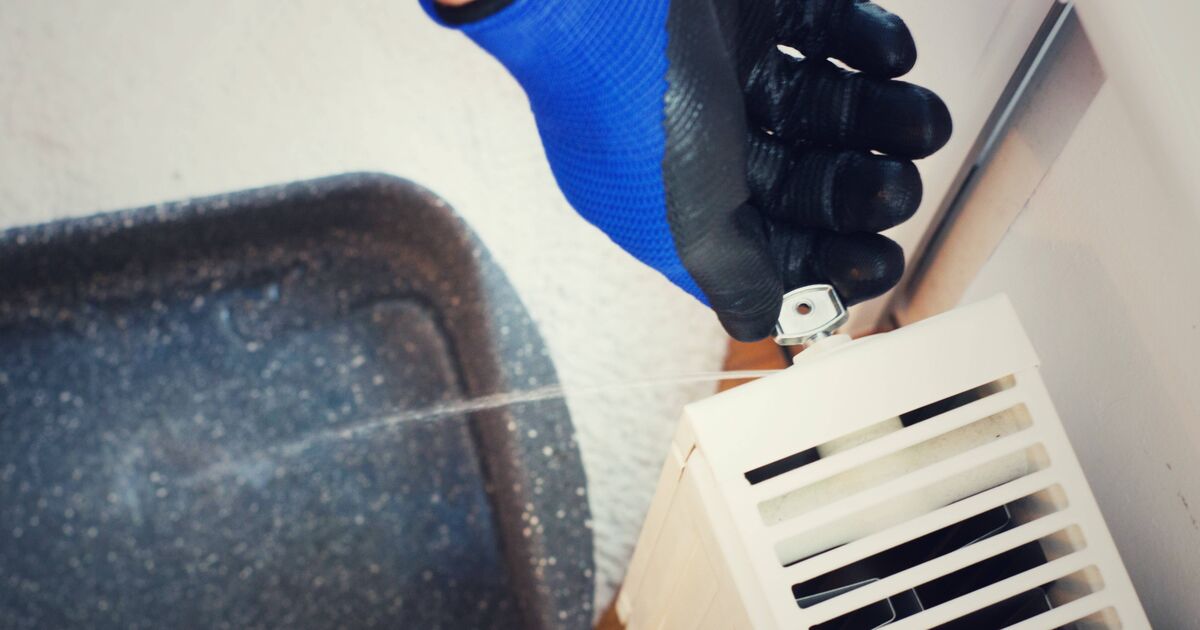
At the top of your radiator, “you’ll see a valve,” and if your radiator valve has a “flat groove through the middle” then you can “use a flat-head screw driver”.
If you don’t have one, a radiator bleed key can be purchased inexpensively from any DIY store.
Before beginning, “hold a cloth under the valve to catch any water, turn it 90 degrees to let the air out until the water runs through smoothly”.
Once completed, “close the valve, and then you can turn your heating back on”. After allowing the radiators time to warm up, your radiator should be “warm all over”.
British Gas provides additional guidance on bleeding radiators. They advise that you should “only open it slightly until you hear the hissing noise”. This sound indicates “air escaping” from the radiator.
They also suggest having a container and cloth ready, as certain radiators may release considerable liquid.
The experts state: “Once the sound stops and water starts streaming out, make sure you catch the water in the container.”
This process should be repeated for every radiator throughout your property, after which you’ll be able to enjoy efficient heating in your home again.
How often should you bleed radiators?
British Gas emphasises the significance of bleeding radiators, noting it’s an essential method to reduce energy costs and improve your home’s overall efficiency.
They recommend bleeding radiators once every few months, particularly following extended periods without heating use, such as after the summer season. Regularly bleeding your radiators can help reduce the strain on your boiler and ensure that your home is being heated efficiently.
But what should you do after bleeding your radiator?
British Gas has provided some guidance for post-radiator bleeding checks.
They suggest: “First, you need to check your boiler pressure. While it will decrease a bit after bleeding radiators, you want it to be between 1.0 to 1.5 bars when it’s switched off and approximately 2 bars when it’s on.”
If the pressure is too low, you’ll need to re-pressurise your boiler, which they assure is “easier than it sounds”. Once this is done, your heating should be functioning effectively throughout your home.