State pensioners given £241 benefit on Wednesday | Personal Finance | Finance
State pensioners across the UK are to be given a £241 weekly benefit in an announcement expected on Wednesday thanks to the triple lock.
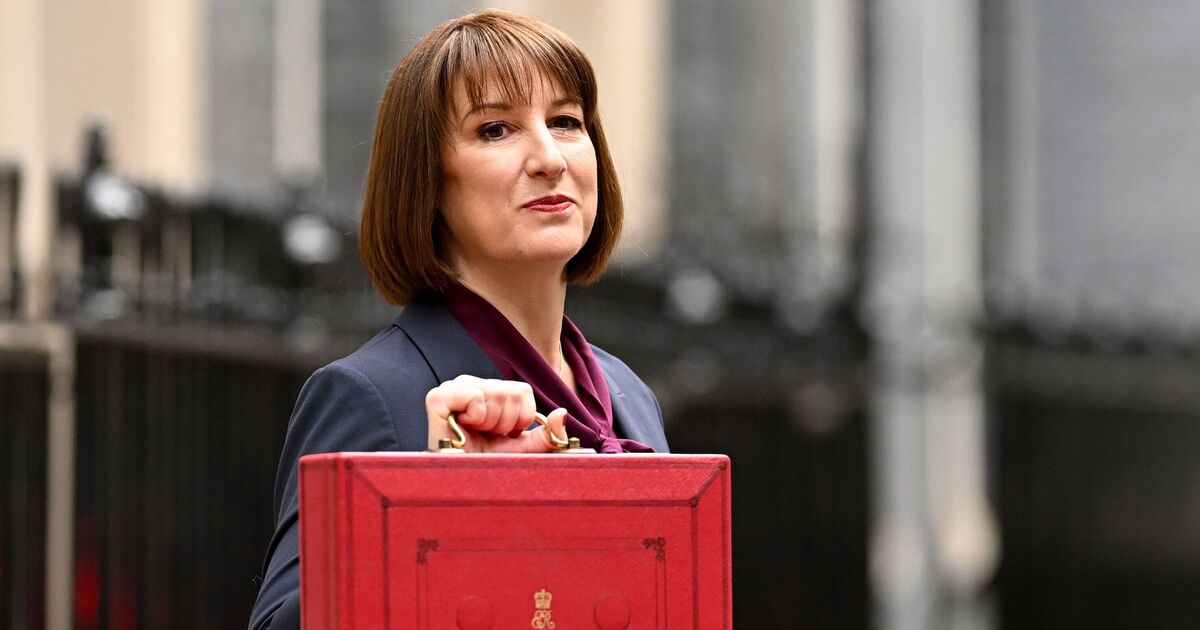
Chancellor Rachel Reeves will deliver the autumn Budget on November 26, outlining the government’s tax, spending and borrowing plans for the year ahead. Among the announcements, Reeves is expected to confirm a 4.8% increase to the State Pension which will take effect from April next year. The government increases State Pension rates at the start of every new tax year on April 6 and the amount it goes up is determined by the highest out of three factors – known as the ‘triple lock’. These include the consumer price index (CPI) measure of inflation (measured for September in the previous year), average wage growth between May and July of the previous year, or 2.5%.
The three figures have already been confirmed, with average wage growth being the highest at 4.8%, above inflation at 3.8% and the 2.5% minimum floor for increases. It means that pensioners who receive the full new State Pension will get £241.30 per week, up from the current rate of £230.25. Over a full year, this would amount to a maximum of £12,547.60 in pension payments.
Meanwhile, older pensioners on the full basic State Pension will get £184.90 per week from April 2026, up from the current rate of £176.45. Over a full year, this would amount to a maximum of £12,547.60 in pension payments.
Of course, whether you get the full rate depends on how many qualifying National Insurance years you have, so some pensioners may get less than £241.40 or £184.90 per week in 2026.
While the increase will give pensioners a welcome dose of extra cash, the expected uplift will bring some closer to the point where they could be liable to pay income tax, and the increasing rates has also brought the future of the triple lock under scrutiny.
Alice Haine, personal finance analyst at Bestinvest by Evelyn Partners, the online investment platform, said: “The personal allowance has remained at £12,570 since the 2020-21 tax year, so unless the Chancellor revises this in the Budget, more retirees may find themselves paying a tax bill.
“Of course, some will already be paying tax on their retirement income, either because they deferred access to the state pension or because they also receive income from a private pension.”
Rachel Vahey, head of public policy at AJ Bell, added: “If, as is likely, the triple lock sees the State Pension increase above the personal allowance of £12,570 in April 2027 for the first time, then the government will come under increasing pressure to make a decision regarding either the personal allowance or whether it can sustain the triple lock as it has promised at least to the end of this Parliament.”
She added: “Removing the freeze on the personal allowance would come at significant cost to the Treasury at a time when the Chancellor’s fiscal headroom is already strained at best, while an overhaul of the triple lock would come with huge political risk before the next general election.”