Tenerife, Lanzarote, Italy and France areas placed on ‘no travel list’ | World | News
Numerous destinations around the world have been added to a ‘no travel list’ for 2026 by experts. Overtourism has been a hot topic of conversation in the last few years, and protests have been taking place in destinations such as Barcelona, the Canary Islands and more. In fact, overtourism is also a major concern in the UK, with locals in cities like Bath and Edinburgh sharing frustrations over high visitor numbers.
Travel publication Fodor has revealed its no-travel list for 2026, pointing out places that could use a break from swelling numbers of tourists. The list is by no means a call for boycotts, but rather a suggestion for tourists to reconsider which places they are going to visit in the wake of overtourism. The list includes destinations in Europe that are popular with Brits as well as regions across the globe that receive tourists from other parts of the world.

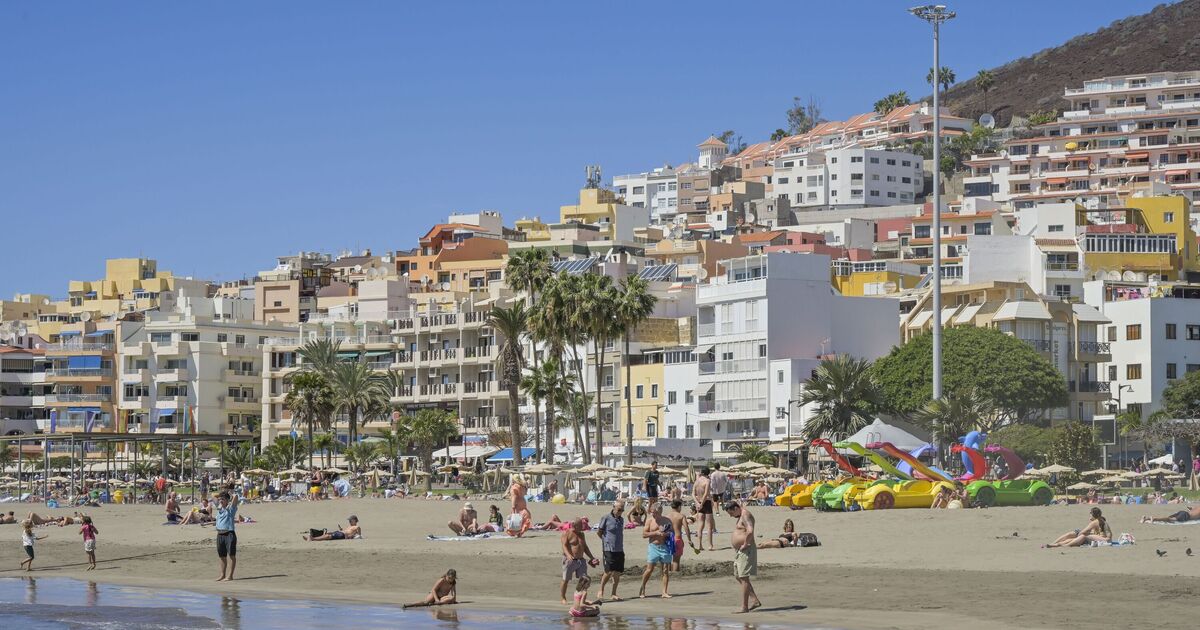
The Canary Islands
The Canary Islands have seen a growing number of locals express frustration over swelling numbers of tourists, especially in Tenerife, where many protests have taken place.
Issues include traffic, crowds and increased rental and property prices, all having a negative effect on locals.
(Image: Getty)

Isola Sacra, Italy
This scenic little coastal spot, just outside Rome, is loved by many tourists. The government recently approved plans for a new port in the area, which will welcome a slew of new tourists from cruise ships.
However, local organisations have argued against such plans since as early as 2010, saying that they wish to protect the unique local ecosystem, vegetation and wetlands.
(Image: Getty)

Antarctica
Antarctica is a dream destination for many. It is one of the truly wild and untouched places on earth, and it is a bucket list experience for some eager travellers.
However, experts have warned that this unique landscape is fragile, and it cannot sustain large numbers of tourists. “The environment is fragile, and it’s a rare environment,” said Jessica O’Reilly, associate professor of anthropology at Indiana University. “That’s why people want to go there, but it’s also why it can’t really sustain high numbers of tourism.”
(Image: Getty)