The game-changing £800k UK ‘precision’ missile that could bring war to Russian cities | World | News
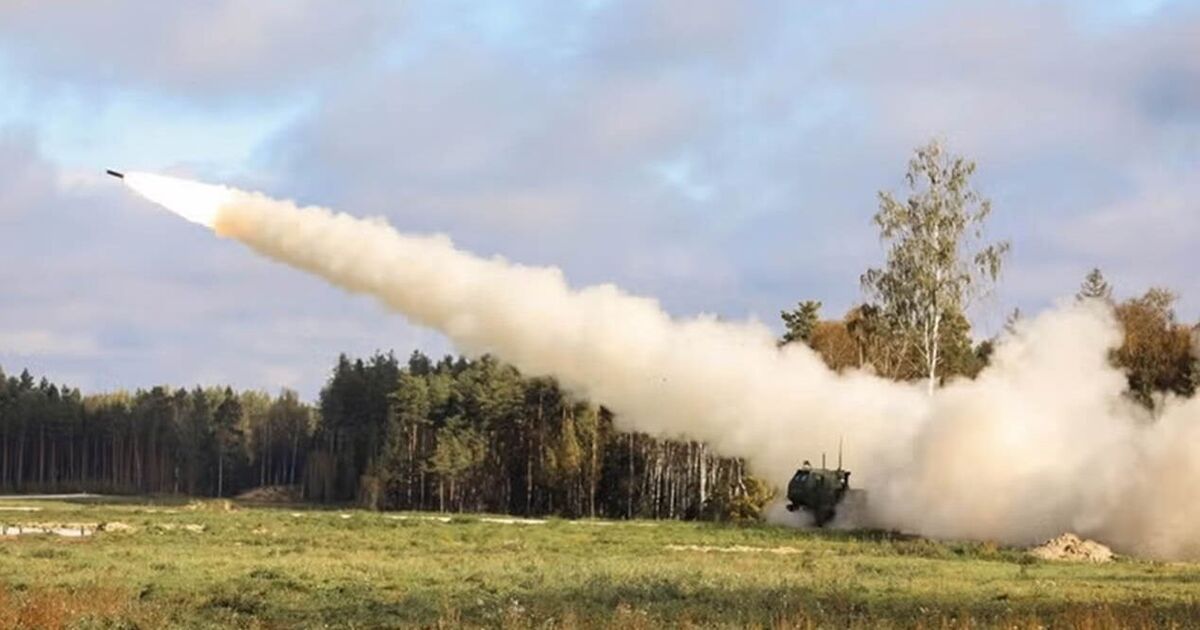
The UK has unveiled a bold new weapon that could transform Ukraine‘s fight against Russia‘s invasion: the £800,000 “Nightfall” tactical ballistic missile. The home-grown precision strike system is designed specifically to bring the war deep into enemy territory, bypassing the jamming technology that has hampered previous Western weapons.
Announced on January 11, 2026, Project Nightfall sees the Ministry of Defence launch a fast-track competition to develop ground-launched ballistic missiles with a range exceeding 310 miles (500 kilometres). The range is significant – far enough to threaten key Russian military hubs and potentially even reach the outskirts of Moscow from Ukrainian positions.
Built for high-threat environments riddled with electronic jamming, these missiles are designed to “shrug off” heavy electromagnetic interference. They rely on resilient guidance systems to deliver devastating accuracy where others might fail.
Each Nightfall packs a 440lb (200kg) conventional high-explosive warhead, capable of obliterating command posts, ammo dumps, bridges, or airfields before Russian forces can even react.
The design emphasises speed and survivability. Launchable from mobile vehicles, the units can fire multiple rounds in rapid succession and relocate within minutes.
This is the classic “shoot and scoot” tactic that has proven vital in Ukraine‘s defence, ensuring the launchers remain elusive targets for Russian counter-battery fire.
At just £800,000 per missile—a fraction of the cost of many Western equivalents—and with a targeted production rate of 10 per month, Nightfall offers a cost-effective, scalable punch.
Crucially, the system comes with minimal foreign export controls. This gives Britain full sovereignty over its deployment and ensures swift transfer to Ukrainian forces without the risk of third-party vetoes or diplomatic red tape.
The project builds on the UK’s unwavering support for Kyiv, which already includes thousands of deep-strike one-way attack drones gifted to the frontlines.
It reflects hard-won lessons from the battlefield, where Russian jamming has frequently hampered GPS-reliant weapons, and responds directly to Putin’s escalating aggression against civilians.
Defence Secretary John Healey MP, speaking after witnessing the fallout firsthand during a recent visit to Ukraine: “The attacks overnight on Thursday just go to show how Putin thinks he can act with impunity, targeting civilian areas with advanced weaponry. Instead of seriously negotiating a peace, he’s seriously escalating his illegal war.”
Recounting a tense moment on the train to Kyiv, Mr Healey said: “We were close enough to hear the air raid sirens around Lviv… it was a serious moment and a stark reminder of the barrage of drones and missiles hitting Ukrainians in sub-zero conditions. We won’t stand for this, which is why we are determined to put leading-edge weapons into the hands of Ukrainians as they fight back.”
Minister for Defence Readiness and Industry Luke Pollard MP echoed this sentiment: “A secure Europe needs a strong Ukraine. These new long-range British missiles will keep Ukraine in the fight and give Putin another thing to worry about. In 2026, we will continue to stand shoulder to shoulder with Ukraine.”
The MOD has already shared detailed requirements with vetted industry partners as of December 19, 2025, with final proposals due by February 9, 2026.
Up to three industry teams could each secure a £9 million contract to design, build, and deliver their first three missiles within 12 months for test firings.
The focus remains on rapid prototyping, spiral upgrades, electronic warfare resilience, and scaling up mass production within the UK.
While primarily aimed at bolstering Ukraine’s defences, Nightfall will also shape future British long-range strike capabilities—a clear sign London is rearming for an increasingly uncertain world.
As Russian missiles and drones continue pounding Ukrainian energy grids—with massive barrages on January 10-11, 2026 alone hitting power infrastructure—Ukraine has increasingly turned the tables.
In recent months, Kyiv’s forces have escalated deep strikes using drones and Western-supplied missiles like Storm Shadow to hit oil refineries, fuel depots, and export terminals far inside Russia.
These operations aim to disrupt Moscow’s war economy by slashing oil revenues and creating fuel shortages that strain logistics for invading troops.
With Nightfall’s precision and range, Ukraine could intensify this campaign, striking high-value military and energy infrastructure more effectively while imposing real costs on the aggressor.
It represents a potent new deterrent in a war where long-range strikes have become a grim but essential reality for both sides.