The next horror taxes we can expect from Rachel Reeves | Personal Finance | Finance

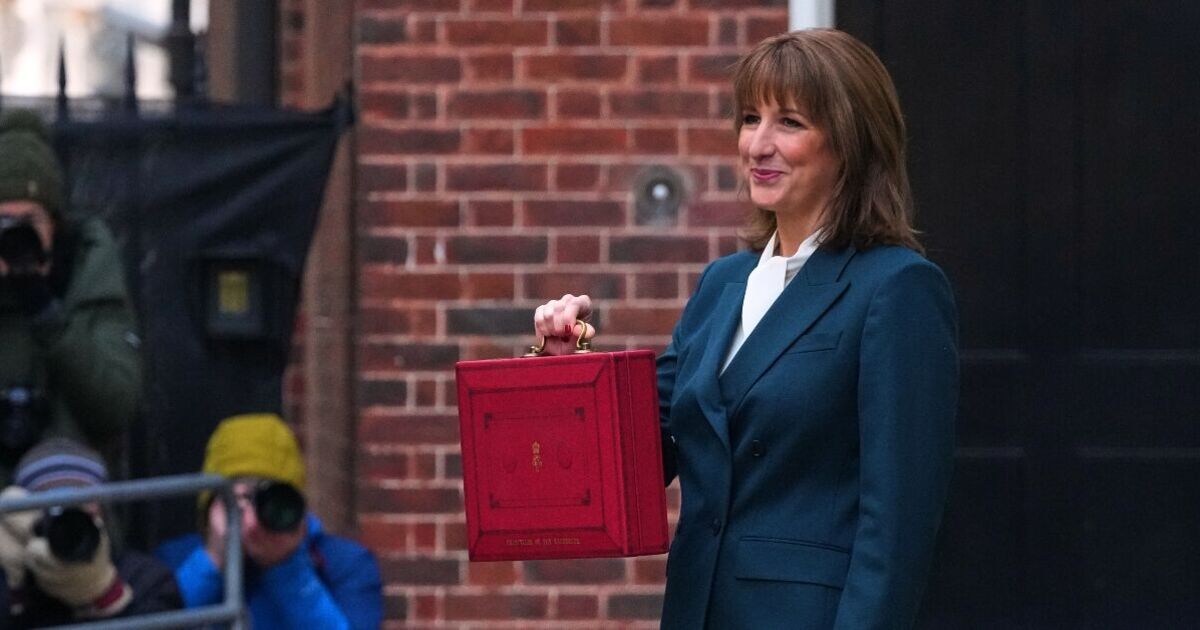
Rachel Reeves hiked taxes by £26bn at the Budget (Image: Getty)
Rachel Reeves burdened taxpayers with another £26billion worth of tax hikes in her Budget, but if she lasts in post, the Chancellor may well be back for more. This time around, an influential group of advisers are reported to have overseen Ms Reeves’ tax and spending plan, including Torsten Bell, Parliamentary Secretary to HM Treasury.
Some claim the Budget was as much the work of the Chancellor as it was Mr Bell, who used to run the Resolution Foundation think tank. Ms Reeves has already answered calls to increase inheritance tax (IHT) on farmers and businesses. The Chancellor, on November 26, introduced a pay-per-mile road duty for electric vehicles and announced council tax changes which will see properties worth £2million or more in England charged extra from April 2028.
READ MORE: ‘Bungling eejits Keir Starmer and Rachel Reeves have betrayed British people’
READ MORE: Employees urged to ask boss 3 things after Rachel Reeves horror Budget
In his former role, Mr Bell argued for “intergenerational fairness”. A Resolution Foundation report, Economy 2030, argued workers should no longer have to carry the heaviest load when it comes to tax. Wealth “needs to take more of the strain”, according to the report.
Further measures advanced by Mr Bell while at the helm of the Resolution Foundation include gradually reducing the £270,000 cap on tax-free lump sum withdrawals from pensions and cutting the threshold for the additional 45% income tax rate from £125,000 to £100,000.
Here the Daily Express looks at five of the measures previously trumpeted by Mr Bell, which the Chancellor could also have her eye ahead of the next fiscal statement.
Cutting the tax-free pension lump sum
Ahead of the Budget last week, the Treasury confirmed the Chancellor would not cut the tax-free lump sum limit.
Most pension savers can take 25% of their pension pot tax-free at the age of 55 up to a maximum of £268,275.
Ms Reeves was under pressure to cut the limit to £100,000, but for now she has resisted doing so.
In a 2019 Resolution Foundation report, Mr Bell described the lump sum allowance as “very generous”. At that time, he suggested slashing the cap to £40,000.
Lowering the additional income tax threshold
While at the Resolution Foundation, Mr Bell argued for the threshold for the additional 45 per cent rate to be cut from £125,140 to £100,000.
So far the Chancellor has not followed that recommendation. Instead, Ms Reeves froze rates. The £12,570 income tax personal allowance; the higher rate threshold of £50,270, and the additional rate threshold of £125,140 will remain frozen for a further three years to April 2031.
It means more people will have to pay tax for the first time or pay at a higher rate when their wages grow.
Hiking the basic rate on dividends
Another recommendation made in the Economy 2030 report is increasing the basic rate of tax on dividends from 8.75 to 20%.
However, the Chancellor confirmed in the Budget that dividend tax rates will increase by two percentage points from April 2026.
She announced that the basic dividend tax rate will rise from 8.75% to 10.75%, while the higher rate will increase from 33.75% to 35.75%.
So the rate could increase even higher in the years to come given the 20% rate put forward in the report.
Hike income tax
In 2021, Mr Bell co-authored a paper which argued that an increase in income tax would be “fairer between rich and poor, and young and old” rather than a National Insurance hike.
He argued lower earners pay more under a NI rise, than they would from an income tax rise because workers earning under £10,000 would be impacted by NI while only those paid over £12,570 pay income tax.
While Ms Reeves announced some big tax rises in the Budget, she U-turned on an income tax hike, despite preparing the ground for it days before.
Labour had pledged not to raise the headline rates of income tax, National Insurance and VAT during the general election campaign.
Raise capital gains tax on shares to 37% and real estate to 53%
While Mr Bell has previously suggested such increases, the Chancellor’s Budget included no changes pertaining to this.
Ms Reeves raised Capital Gains Tax (CGT) rates in 2024, with the lower rate rising from 10% to 18% and the higher rate increasing from 20% to 24%.
But this year saw no major changes to CGT rates. However, these may still be in Mr Bell’s sights.