UK faces Iran ‘terror threat’ as warning over ‘lone-wolf’ attacks issued | World | News

Tensions with Iran are rising in the UK (Image: Getty)
Britain faces an increased risk of terror attacks linked to Iran as tensions escalate across the Middle East, an Israeli intelligence expert has warned. Danny Citrinowicz, a former Israeli military intelligence officer, said the UK may be vulnerable both to organised networks tied to Iran’s powerful security apparatus and to “lone-wolf” attackers sympathetic to the Tehran regime.
His warning comes as the UK Government confirmed it would deploy a Royal Navy warship to the Middle East to protect British interests amid a rapidly expanding regional conflict triggered by US strikes on Iran. Citrinowicz, now a senior researcher at the Institute for National Security Studies in Tel Aviv, said Britain faces a delicate balancing act between supporting allies and avoiding heightened security risks at home.
READ MORE: Get out fast – Gulf states to run out of air defences in a week
READ MORE: UK government to charter commercial flight in desperate bid to get Brits home

Britain faces a delicate balancing act between supporting allies and avoiding security risks (Image: Getty)
“Definitely the risk is there. And the risk will increase if the UK joins the war,” he said. “You have the risk from the Islamic Revolutionary Guard Corps, who are in the UK, and also from elements living in the UK who may feel bound to do something.”
He added that supporters of Iran’s leadership could be motivated by the perceived “decapitation” of Supreme Leader Ayatollah Ali Khamenei in the escalating conflict.
“It’s not only the risk of IRGC-sponsored terrorism,” he said. “More importantly is the lone-wolf phenomenon, especially from people living in the UK.”
Security officials have long suspected that sleeper cells or individuals sympathetic to Iran’s Islamic Revolutionary Guard Corps (IRGC) could exist in Britain and might be activated during a major confrontation involving Tehran.
Asked whether he meant the possibility of an actual terror attack, Citrinowicz replied: “Yes, definitely.”
His comments come as the conflict between the United States, Israel and Iran intensifies across the Middle East. The UK has already strengthened its military posture in the region, including additional defensive capabilities in Cyprus.
A drone struck RAF Akrotiri, Britain’s sovereign air base on the island, on Sunday. Prime Minister Keir Starmer said the attack occurred before the UK announced further military support and was not believed to be direct retaliation.
Shadow defence secretary James Cartlidge called for the Royal Navy destroyer HMS Dragon to be deployed immediately, arguing its advanced air defence systems were needed to help protect the base.
“It begs the question: why wasn’t she already there?” he said.
Home Secretary Yvette Cooper said the UK had already bolstered defences in Cyprus, including radar, F-35 fighter jets, air defence systems and counter-drone capabilities.
*** Ensure our latest news headlines always appear at the top of your Google Search by making us a Preferred Source. Click here to activate or add us as Preferred Source in your Google search settings. ***
Meanwhile, the wider regional conflict shows little sign of slowing. US Secretary of State Marco Rubio warned the “hardest hits” against Iran were “yet to come”, raising fears that the war could last weeks or longer.
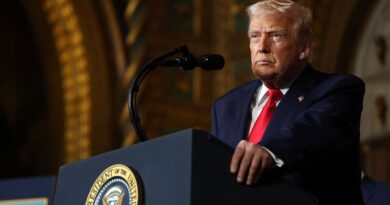
US President Donald Trump initially suggested military operations might last “four to five weeks”, but officials now believe the conflict could extend far beyond that.
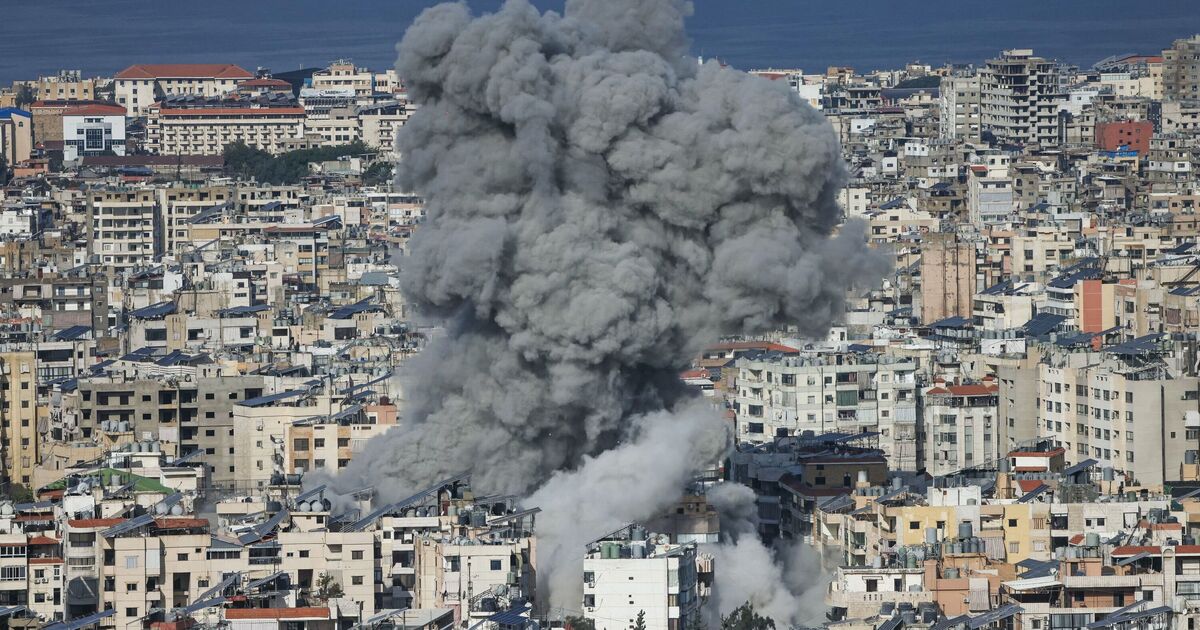
Violence has spread across the region, with Israeli forces launching new strikes against Iranian targets and Hezbollah positions in Lebanon. Israeli troops have re-entered southern Lebanon, while Beirut has been hit by heavy airstrikes targeting Hezbollah infrastructure.
The death toll continues to climb. Iranian authorities report at least 787 people killed, including 176 children. Six US service members have also died, while at least 50 people have been reported killed in Beirut.
Iran has retaliated with drone and missile attacks across the region, including strikes on diplomatic targets. Saudi Arabia’s defence ministry said two drones hit the US embassy compound in Riyadh, causing a fire and minor damage.
Washington has closed its embassies in Saudi Arabia and Kuwait following the attacks and issued a regional warning for Americans to leave the Middle East.
Tensions have also escalated around global energy supplies. Tehran claims it has closed the strategic Strait of Hormuz — through which a large proportion of the world’s oil and gas flows, and warned it would “set on fire” ships attempting to pass.
Amid the growing instability, thousands of British nationals remain stranded across the region as governments scramble to evacuate civilians and reinforce military installations.
Families of UK service personnel stationed in Cyprus have already been moved away from bases as a precaution against further Iranian attacks.
British Defence Secretary John Healey described the drone strike on RAF Akrotiri as an example of “dangerous and indiscriminate attacks” carried out by Iran and its proxies.