Warm water vs. cold water health benefits explained by nutrition expert
NEWYou can now listen to Fox News articles!
A viral wellness trend asks a simple question — is warm or cold water healthier? — but the science behind it is more nuanced.
Previous research shows that food and beverage temperature has a measurable effect on things like anxiety and gut discomfort.
One of the most long-standing health claims is that ice-cold water boosts calorie burn by forcing the body to heat it up. While this is grounded in science, the actual impact may be minimal.
Ultimately, experts say, the health impact of water temperature depends on the goal — weight loss, athletic performance, digestion or comfort.
Does cold water boost weight loss?
“As per research, in the 90 minutes after consuming cold or room temperature water, energy expenditure increases minimally by 2.9% (cold water) and 2.3% (room temperature),” Tanya Freirich, a registered dietitian and diabetes expert in North Carolina, told Fox News Digital.
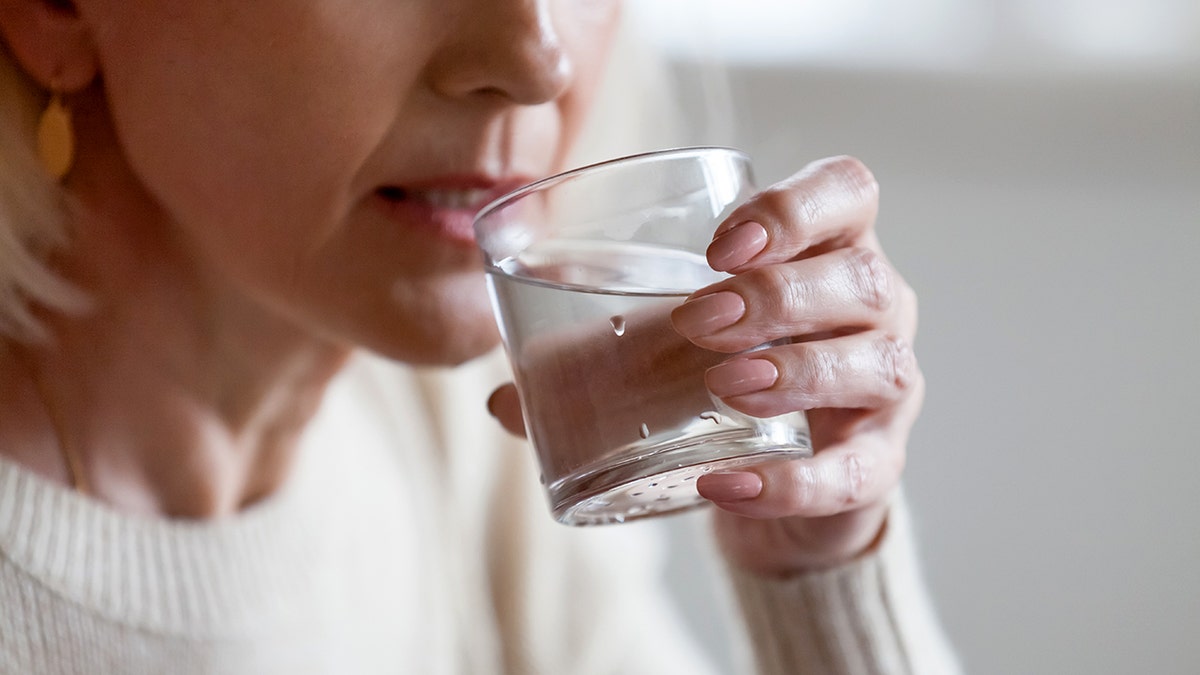
Extra water may suppress the appetite or may play a part in energy production and expenditure, experts say. (iStock)
While the body does expend energy to warm up cold water, Freirich noted that it’s “not significant enough to make it worthwhile” for weight loss. Hot water doesn’t exactly melt fat, however, she added.
For those looking to lose or manage weight, Freirich suggests focusing on “how much” rather than “how cold.” She pointed to research involving overweight women who added an extra 1.5 liters of water to their daily intake. Over eight weeks, the participants saw measurable weight loss.
YOUR BEDROOM TEMPERATURE COULD BE PUTTING YOUR HEART IN SERIOUS DANGER, STUDY WARNS
“The extra water may suppress the appetite or may play a part in energy production and expenditure,” Freirich said. The temperature of drinking water should not affect how well the body utilizes nutrients, she added, noting that more research is needed.
For those exercising in heat and humidity, the goal should be to rehydrate without excessive fluid loss through sweat. Research on thermoregulation suggests there is an ideal water temperature for athletes.
The temperature of drinking water should not affect how well the body utilizes nutrients, according to an expert. (iStock)
While drinking water can trigger sweating as the body regulates its temperature, 60.8 degrees Fahrenheit was associated with the least amount of perspiration.
CLICK HERE FOR MORE HEALTH STORIES
“Cool, but not cold,” Freirich emphasized. Drinking water in this specific range helps the body rehydrate efficiently without causing gastrointestinal distress.
Warm water and digestion
There are several reasons someone might opt for warm water, including its effect on relaxation and digestion. Studies have found that warmer liquids can accelerate gastric emptying, effectively waking up the gut.
TEST YOURSELF WITH OUR LATEST LIFESTYLE QUIZ
The benefits may be mental as well. Freirich points to research showing that hot black tea leads to lower levels of cortisol — the body’s primary stress hormone — and greater subjective relaxation after stressful tasks.

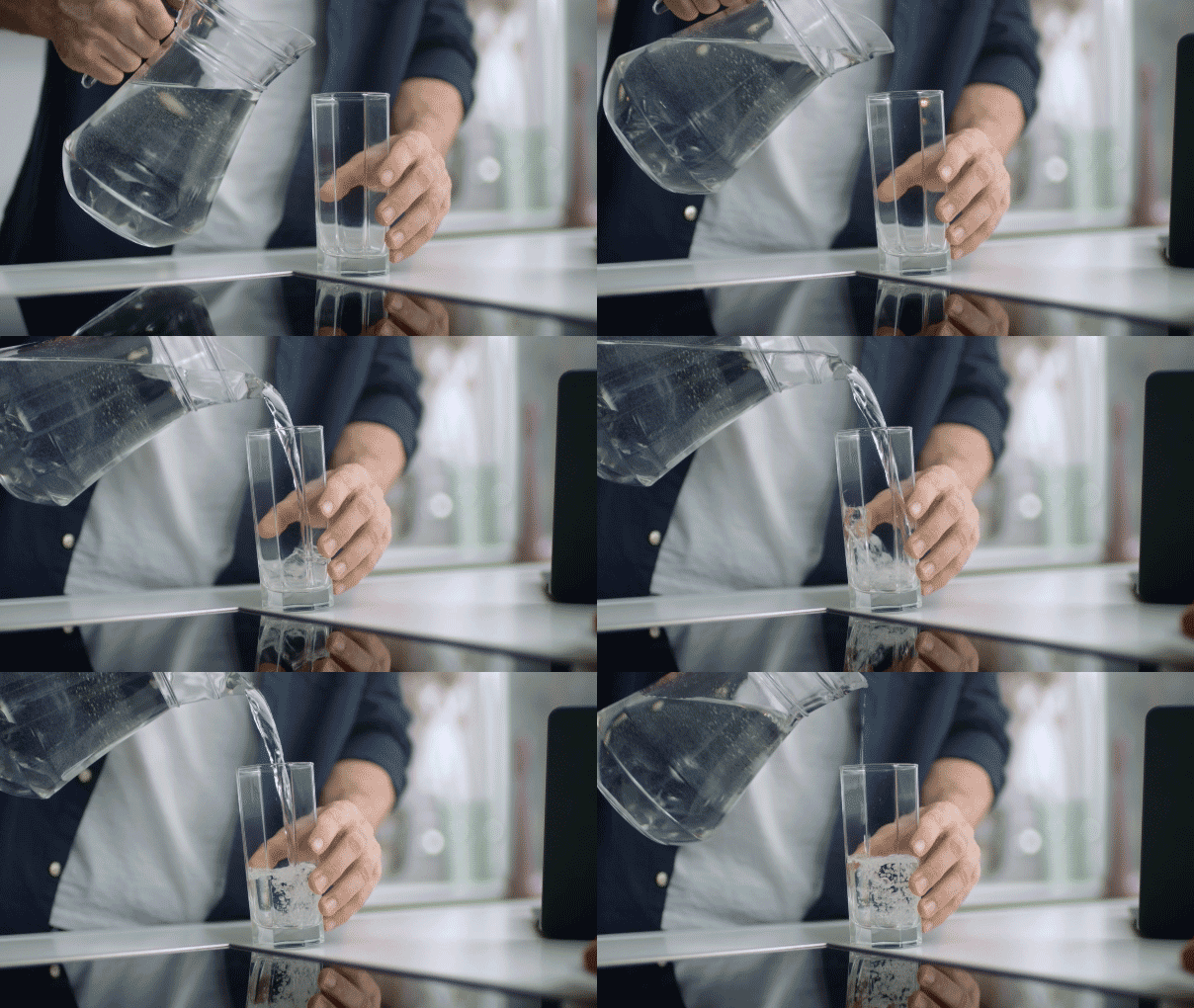
The preference for warm water often stems from its effect on the rest and digestion. Studies have found that warmer liquids can accelerate gastric emptying, effectively waking up the gut. (iStock)
Medical triggers
Freirich warns that very cold water can cause difficulty for those with swallowing disorders, or can trigger migraines and “brain freeze” in people with sensitive nerves.
CLICK HERE TO SIGN UP FOR OUR HEALTH NEWSLETTER
Furthermore, those with irritable bowel syndrome (IBS) may find that ice-cold drinks trigger digestive discomfort.
Ultimately, the best temperature is the one that encourages people to drink, the dietitian said. The general recommendation for adults is to consume seven to eight glasses of water per day.
CLICK HERE TO DOWNLOAD THE FOX NEWS APP
“Most importantly, it is important for everyone to stay adequately hydrated,” Freirich said.
Related Article