What we know about Iran’s military capabilities by tracking drone and missile attacks
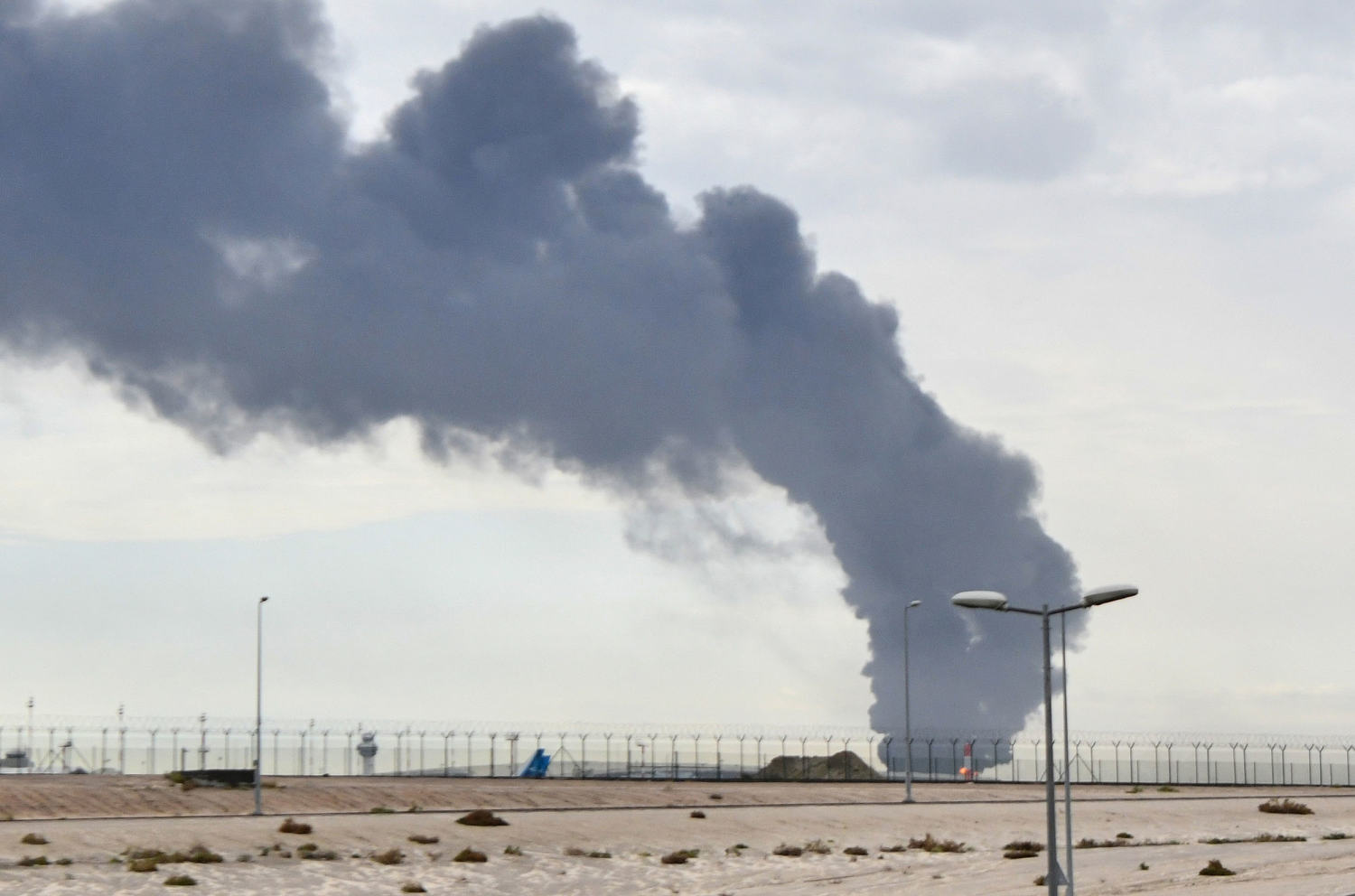
The U.S.-Israeli air campaign has battered Tehran and cities across the country, destroying homes and killing more than 1,900 people, according to Iran’s deputy health minister.
U.S. and Israeli officials and commanders say the campaign is designed to decimate Iran’s missile and drone programs and that it will soon succeed in crippling Tehran’s ability to strike at countries in the region. The Israeli military said 70% of Iran’s missile launchers were disabled by the 16th day of the war. The Pentagon says it has degraded about 90% of Iran’s ballistic missile and drone capabilities, though it has not provided more details.
Former military officers and experts say Iran’s missile program will likely be crushed if the air assault continues. But they say wiping out its drone capacity is a more difficult objective. Drones do not necessarily require large production facilities and can be launched from a truck, making them an elusive target.
“The challenge is it’s probably relatively easy to hide these things, and so finding all of them, bombing all of them, is going to be hard,” said Tom Karako, director of the Missile Defense Project at the Center for Strategic and International Studies, a Washington, D.C., think tank.
“It comes down to how good is the intelligence, ours and the Israelis’, in terms of where everything is,” he said.
Iran’s ability to keep up missile and drone attacks has raised questions about the effectiveness of the U.S.-Israeli air campaign, the quality of the intelligence underpinning it and the assumptions that shaped the assault, according to former officials and analysts.
Iran may have dispersed more of its missile arsenal around the country than previously believed, used decoys and quickly excavated damaged missile bases to resume launches, Nicole Grajewski, an assistant professor at the Center for International Research at Sciences Po in Paris, told NBC News.
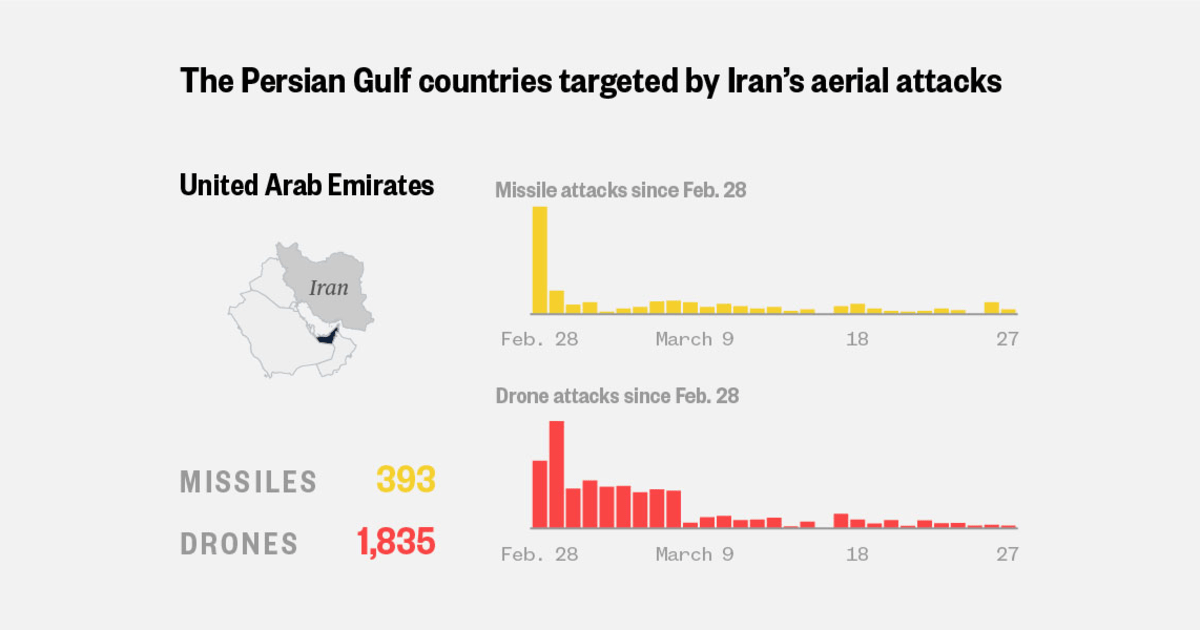
In the opening days of the war, Iran fired dozens of ballistic missiles at its neighbors. On the third day of the war, the number dropped sharply, and now Iran is typically firing fewer than 25 missiles a day at Gulf states.
As for drones, the number of attacks has also declined from the first few days of the conflict, when Tehran fired hundreds at its neighbors. In recent weeks, Iran has launched an average of about 80 drone attacks a day at its neighbors.
After the opening stage of the war, the number of Iranian aerial attacks has varied from day to day and country to country. The number of ballistic missiles fired daily has declined overall. Iran has kept up a steady rate of drone attacks, targeting Gulf states with an average of roughly 120 drone attacks per day since the war’s start.