Your five-minute guide to SIPPs – £60,000 tax free allowance for pension savers | Personal Finance | Finance

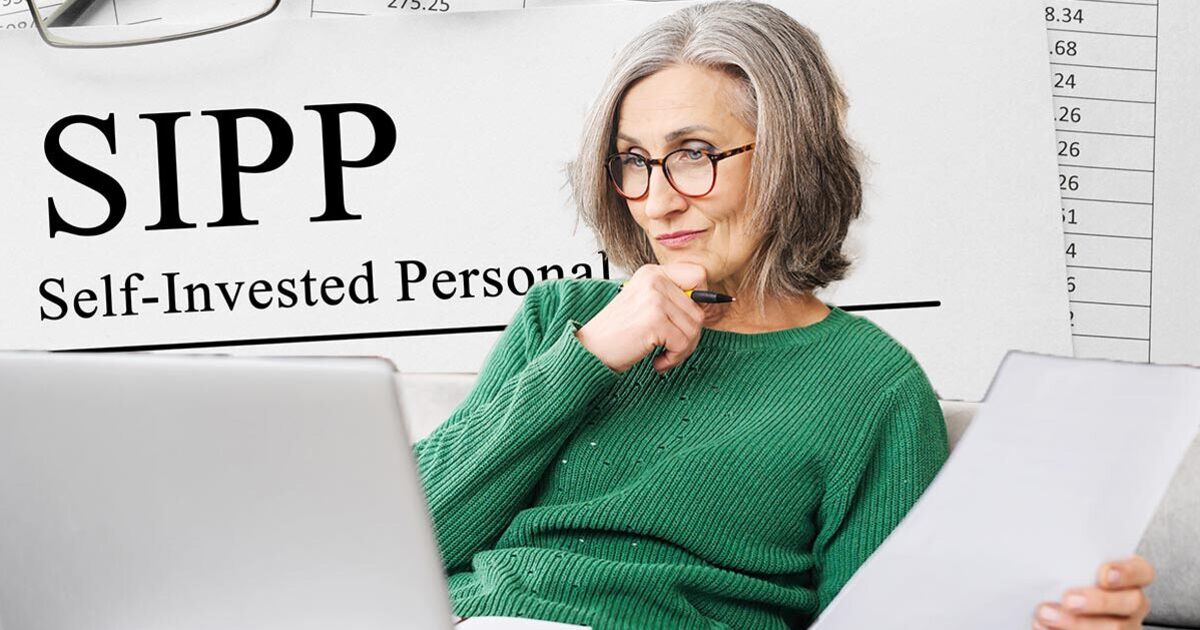
SIPPs – everything you need to know (Image: Getty)
Most savers and investors are aware of the benefits of tucking money away in an ISA, but there’s an alternative tax-free wrapper that’s often overlooked. It’s called the Self-Invested Personal Pension, or SIPP.
A SIPP is a do-it-yourself pension that puts investors in control. Instead of relying on a pension company to make decisions, it allows people to build and manage their own retirement pot, choosing exactly where their money goes.
That could mean investing in funds, individual shares, bonds, investment trusts, and even assets such as gold. The trade-off is responsibility. There’s more freedom, but also more risk if the wrong choices are made.
Like other pensions, SIPPs come with generous tax perks. Most people can contribute up to £60,000 a year, or 100% of earnings, whichever is lower. Contributions benefit from tax relief at the individual’s marginal rate. For a basic-rate taxpayer, every £80 paid in is topped up to £100. Higher-rate taxpayers can claim even more back through their tax return.
This is where SIPPs differ from ISAs. With an ISA, money goes in from taxed income, but all growth and withdrawals are completely tax-free. With a SIPP, the tax relief comes upfront, but withdrawals are taxable, apart from the 25% tax-free lump sum.
In practice, the different tax breaks complement each other. Many investors use both to balance flexibility and long-term retirement planning. SIPPs can also help those who have maxed out their ISA allowance.
Millions are racing to use their £20,000 ISA allowance before the April 5 deadline, and SIPP investors are taking action too, said Helen Morrissey, head of retirement analysis at Hargreaves Lansdown. “We’re seeing strong growth in clients making use of pension allowances to boost their SIPPs.”
“The number making full use of the £60,000 annual allowance has surged, while others are going further by using carry-forward rules. These allow savers to make use of their unused annual allowance from the previous three tax years.”
Savers who have already started taking money flexibly from their pension face tighter limits. Under the Money Purchase Annual Allowance, or MPAA, the maximum they can pay in each year is £10,000. Morrissey said more people are making use of this.
She said: “They might be people who accessed their pensions during the pandemic, for instance, but have since returned to work and want to rebuild their retirement savings.”
Even those without earnings can still benefit. They can contribute up to £2,880 a year, with tax relief boosting this to £3,600. “This can be used by people who want to contribute to the SIPP of a non-working partner or a child. It can be a tax-efficient use if you have used up your own allowances,” she added.
ISAs remain more popular, but awareness of SIPPs is growing as savers look to maximise tax efficiency before the deadline. “There is still time to make use of any allowances available to you to put your retirement planning on the strongest possible footing,” Morrissey added.
Camilla Esmund, senior manager at Interactive Investor, said pensions should not be overlooked. “Contributing before the deadline can give your retirement savings a helpful leg up. Just bear in mind that pension money is tied up until age 55, rising to 57 in 2028.”