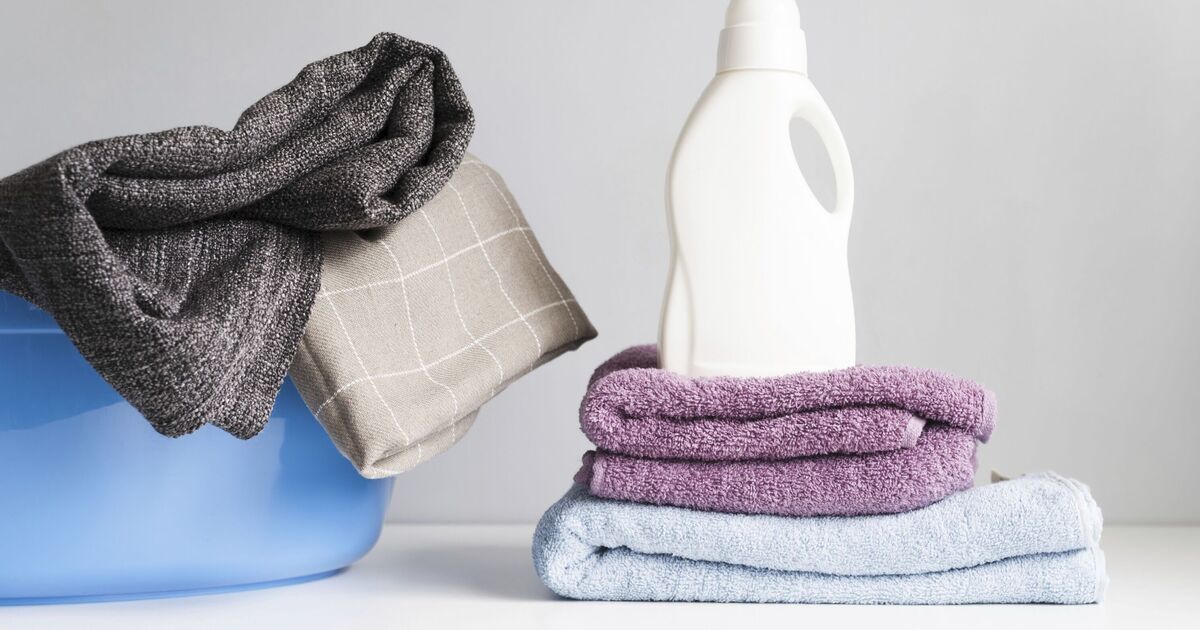
The average Brit thinks it’s perfectly acceptable to wear socks and underwear twice
New research of 2,000 adults revealed 18% of people will wear the same pair of socks three times or more before changing them, and 11% said they do the same with underwear. But the items that can survive the highest numbers of wears were foudn to be coats, jackets, and scarves. What’s more, a quarter of people said they have never washed gloves, bags, slippers and trainers.
Certain clothing items split the vote, with 35% cleaning their t-shirts after every use and 33% believing these could be worn three or more times before being chucked in the laundry basket. There was more agreement on non-clothing items, as the nation said bedding should be washed every fortnight and towels should be washed after five showers.
A spokesperson from Utilita, which commissioned the research as part of its award-winning High5 campaign, said: “While some are staunchly one-wear-washers, others take a more ad hoc approach and are happy to continue wearing clothes until they definitely can’t get away with it.
“No matter where you fall in this debate, as long as you’re mindful of the amount of energy and water you use to keep your fabrics fresh, that’s all that really matters.”
Thirty five percent of people wear an item of clothing for a set number of days before cleaning it. For t-shirts, however, 25% were more likely to take a sniff-and-see approach, happy to keep wearing them until there is an obvious scent.
Regardless of their approach, the survey found that 42% take an eco- and energy-friendly approach of always loading the washing machine. A third said they do the same unless there has been an emergency and something is very badly stained.
In the period between washes, people will cover smells with perfume or cologne (24%), hand wash items to remove specific stains (46%), or rinse clothes that need a refresh in the sink (20%).
One of the key tips from Utilita’s award-winning High5 campaign is to wash laundry at 30 degrees, which 50% do on a regular basis. However, 35% still default to a hotter setting.
After being asked what may convince them to use a lower temperature, 37% cited saving money on their energy bills. Others cared more about the results, for example seeing the same effects as washing on a hotter setting, if it would protect their clothes’ colour, or preserve their condition for longer.
The Utilita spokesperson added: “It’s great to see most of the nation are already following best practice when it comes to their trusty washing machines.
“Keeping this cooler when you’re putting a load on not only protects the quality of your clothes and household items, but can also save you money in the long run.
“We know how important it is to keep energy bills down wherever possible, and this is just one small way of staying on top of them.”