Vet’s urgent cancer warning for dogs sitting in the sun

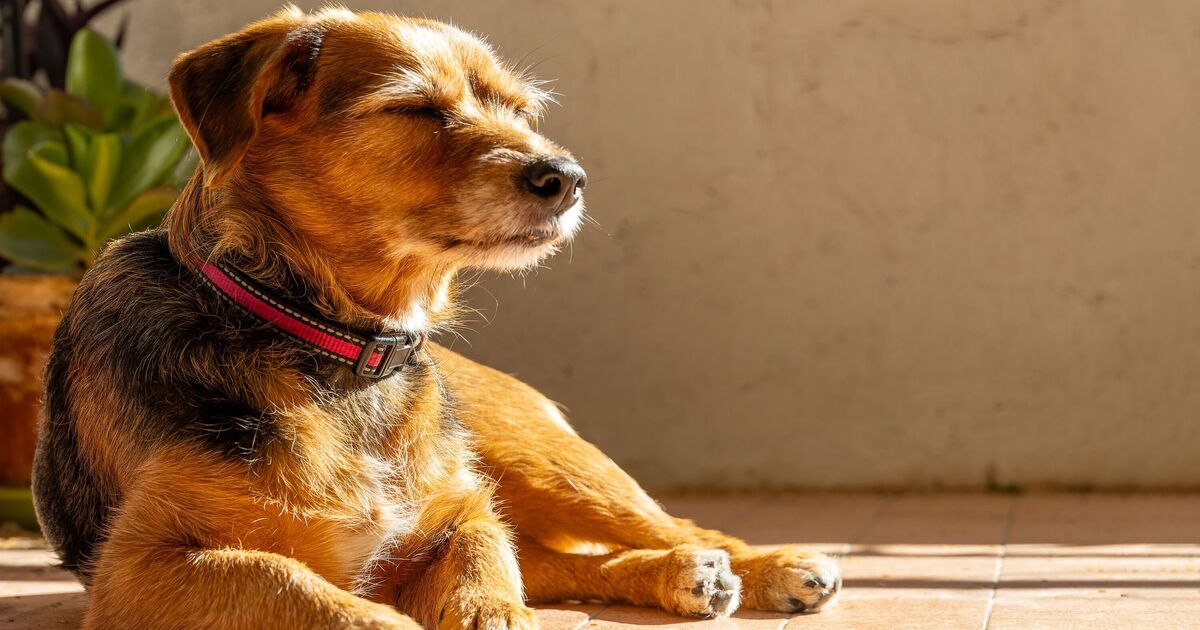
As a pet owner, it’s important to look out for this situation (Image: Getty)
With parts of the UK expected to reach up to 30C over the next 10 days, there’s no doubt people will be flocking to pub terraces and beer gardens in massive herds.
Many people will take their beloved pets outside with them to enjoy the sunshine and great weather, but there’s a risk attached according to a leading vet.
Dr Anna Foreman, Everypaw Pet Insurance’s in-house vet, has issued an urgent cancer warning to dog owners ahead of the sunny spell.
As the mercury is set to rise, Dr Anna has cautioned against allowing pets to remain in the sun for extended periods: “Dogs like to sunbathe for the same reasons we do – enjoying the warmth and bright light. It provides a relaxing sensation which promotes rest and wellbeing.
“[However], much like with us, dogs can suffer from sunburn and heatstroke if they are in the sun for an excessive period of time [so] should be limited to sunbathing for a maximum of 45 minutes to an hour when the sun is particularly intense (11am-3pm).”
Read more: Expert explains what it really means if your dog keeps yawning
Read more: ‘I’m a vet – there’s 1 thing all dog owners need to do at home to prevent fleas’

Pet owners taking their dogs out in the sun for long periods of time need to be careful (Image: Getty)
The vet adds: “Sunburned skin is painful in animals as it is in humans. More chronically and seriously, repeated sunburn can lead to cancerous changes. We particularly see this on the ear tips and noses of white animals, especially cats.”
Dr Anna has outlined exactly how long dogs should be permitted in the sun, while highlighting the risks of excessive exposure — including heatstroke, sunburn and potentially cancerous changes. She has also identified which animals face the greatest danger, and offered her professional advice on keeping dogs safe during periods of intense sunshine.
Does the sun have any health benefits for dogs?
Unlike humans, dogs cannot absorb UVB rays through their skin, meaning they depend entirely on their diet for vitamin D. Sunlight does, however, assist in producing the hormones melatonin and serotonin — just as it does in people — and therefore sun exposure helps regulate a dog’s circadian rhythm, supporting both sleep patterns and overall mental wellbeing.

Extended spans of time in the sun can be harmful for pets (Image: Getty)
How long should dogs be allowed in the sun for?
Just as with humans, dogs can experience sunburn and heatstroke if left in the sun for prolonged periods. Dogs should be restricted to sunbathing for no more than 45 minutes to an hour when the sun is at its most intense (between 11am and 3pm).
Dogs must always have access to shade (they naturally gravitate towards it when overheated), along with a bowl of fresh water. They may also benefit from a clean, fresh water ‘pool’ or cooling mat to help them regulate their temperature.
Dr Anna adds: “Dogs with breathing issues, such as brachycephalic breeds, or those suffering from respiratory disease, should not be allowed to lie in the sun at all, as the increase in body temperature and subsequent need to pant to cool down will put significant strain on already compromised airways.”
The vet goes on to caution: “Dogs in general should not be exercised in the middle of the day in warm weather – instead the cooler early mornings (before 8am) or evenings (after 8pm) are far safer.
“Generally it is safe to walk your dog in temperatures under 20C, although dogs who are of a large or flat faced breed, or who are obese or suffering from other health conditions should always be kept a close eye on in any temperature.”
Even fit and healthy dogs that are vigorously exercised face the risk of heatstroke at temperatures as low as 20-23C. Extreme caution should be taken when exercising any animal to any degree in temperatures above 24C.
Dr Anna advises: “Instead of a walk in the heat, consider setting up a paddling pool for your dog in the shade in the garden to play (monitored) in, or indoor games in a cool room such as puzzle feeders, lick-e-mats and games with soft toys. If it is too hot to exercise a dog all together, particularly over a longer period, then cutting down the quantity of food and treats given is a good way to prevent weight gain.”

A vet has shared a warning to dog owners ahead of the sunny spell (Image: Getty)
What are the potential dangers of dogs being outside in the sun for too long?
Heatstroke
If a dog overheats, it can develop heat stroke, whereby the body’s core temperature climbs above 39.2C as a result of prolonged exposure to external heat. Certain breeds are less equipped to handle the heat — particularly when exercising — more so than others.
The vet explains: “Brachycephalic breeds, such as pugs and French bulldogs, are particularly prone to heat stroke and so extra care should be taken with these dogs in hot weather. Additionally, older dogs, as well as those with underlying health conditions, do not tolerate the heat as well as younger healthy ones.
“Dogs in general should not be exercised in the middle of the day in warm weather – instead the cooler early mornings or evenings are far safer.”
Sunburn
Dogs with poorly pigmented skin or a thin hair coat are at risk of sunburn and face a heightened risk of developing skin cancers such as squamous cell carcinoma. Dogs, cats and other mammals with pink noses or ear tips are equally at risk.
“Sunburned skin is painful in animals as it is in humans. More chronically and seriously, repeated sunburn can lead to cancerous changes.”
Cancerous changes
Dr Anna cautions: “Cancers such as malignant squamous cell carcinoma can lead to ear flaps (pinnae) needing to be removed – they can be very locally invasive and tumours can end up being non-resectable if left for extended periods of time.
“Those on the nose are very difficult to remove in their entirety due to the tight skin and close association with the skull bone/cartilage.”
Pavements
Scorching pavements pose another serious threat to pets in hot weather. The vet advises that if a pavement is too hot for you to hold the back of your hand against for five seconds, it’s too hot for your dog’s paws.