HMRC confirms £80,000 rule as UK households hit with repayment charge | Personal Finance | Finance

Child Benefit claimants with an annual income of £80,000 or more must repay payments in full (Image: Getty)
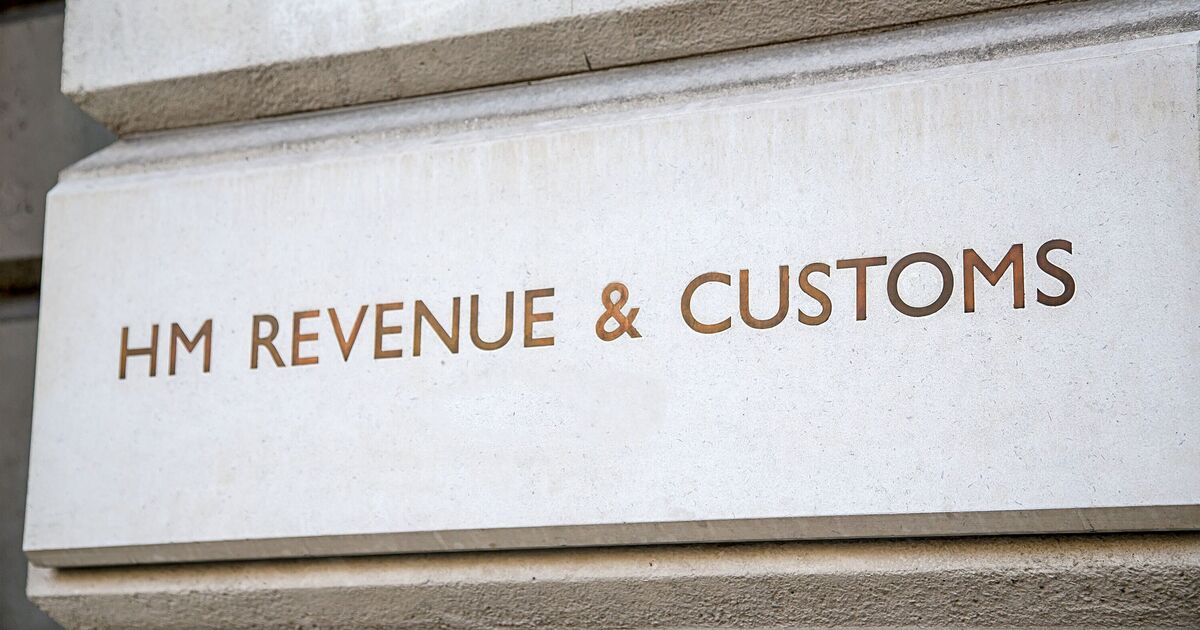
HM Revenue and Customs (HMRC) has confirmed an £80,000 rule for the 2026/27 tax year that will see UK households hit with a repayment charge.
The rule affects high earners claiming Child Benefit payments, with those who exceed a strict income threshold being subject to pay the High Income Child Benefit Charge (HICBC). Under the HICBC, if you or your partner earn £60,000 per year or more then you will have to start repaying the benefit back to HMRC. But the more you earn, the more you’ll have to repay and once you hit earnings of £80,000 per year, then you must pay back the full amount.
While high earners can still claim Child Benefit, HMRC will start to claw payments back at a rate of 1% for every £200 you earn above £60,000. And when your annual income reaches £80,000 or more, the full amount must be repaid to HMRC.
If your adjusted net income is over the threshold and so is your partner’s, then whoever has the higher income is responsible for paying the tax charge. ‘Partner’ refers to someone you’re not permanently separated from who you’re married to, in a civil partnership with or living with as if you were.
Confirming the rule for the new 2026/27 tax year, HMRC said: “From tax year 2024 to 2025 onwards, if you or your partner earn more than £60,000 a year, you’ll have to pay some of your Child Benefit back. If you or your partner earn £80,000 or more, you’ll have to pay all of it back.
“You’ll pay back 1% of your Child Benefit for every £200 you earn over the threshold. Example: Your adjusted net income is £67,600 in tax year 2024 to 2025. This is £7,600 over the £60,000 threshold. As 7,600 divided by 200 is 38, you’ll pay back 38% of your Child Benefit.”
If your income exceeds the threshold, you can choose to either get Child Benefit payments and pay the tax charge, or opt out of getting payments and not pay the tax charge.
If you do opt to pay the tax charge, this can be done in two different ways – either by paying the charge through your PAYE tax code or through Self Assessment.
HMRC said you must pay the tax charge through Self Assessment if you need to send a tax return for another reason, such as if you’re self-employed or each interest on savings or investments.
Additionally, if it’s later than January 31 in the year after the tax year you need to pay for, then you must pay the tax charge through Self Assessment.
Those who opt out of receiving Child Benefit payments will remain registered for the benefit. This means you won’t receive payments and so won’t have to pay the tax charge, but you’ll still get National Insurance credits which count towards your State Pension, and a National Insurance number for your child, without them having to apply before they turn 16.
HMRC issued a reminder to households at the end of last month that Child Benefit can still be claimed even if you have a high income, but you will be subject to pay the HICBC. Writing in a post on X, HMRC said: “Just had a baby? Congratulations!
“If you or your partner earn between £60,000 and £80,000, you can still claim Child Benefit. Our new digital service lets you pay the High Income Child Benefit Charge through your salary – no tax return needed.”
Child Benefit payments have been given a boost for the 2026/27 tax year, with an uplift on April 6 taking rates to £27.05 per week for the first or eldest child, and £17.90 for any additional children – an annual increase of £52 and £33.80 respectively.
Over a full year, this amounts to a total of £1,406.60 per year for the eldest or only child, and an additional £930.80 per year for each additional child, with no limit as to how many children parents can claim for.