Aldi confirms 25 UK stores set for major changes this summer | UK | News
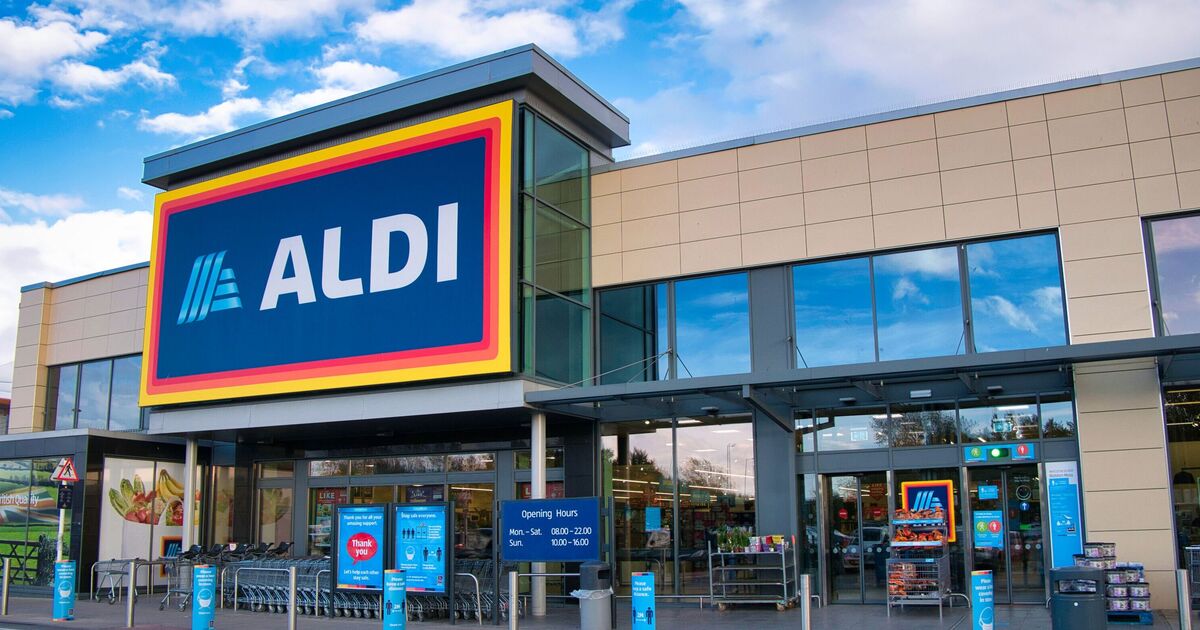
Aldi is set to upgrade 25 stores across the UK this summer as part of its wider £300 million investment into existing stores throughout 2026. While changes will vary by location, upgrades to the German-based supermarket will include creating more space to shop alongside the introduction of more sustainable features, such as energy-efficient fridge doors and natural refrigerants to help reduce carbon emissions.
Selected stores will also benefit from upgraded Bakery, Health & Beauty and fresh food areas to further enhance the shopping experience for customers. The 25 locations set to benefit from upgrades include major UK cities such as Liverpool, London, Aberdeen, Nottingham and Manchester. In addition, stores in York, Liverpool and Yarm will undergo extensions to provide wider aisles and create a more spacious shopping environment for customers.
Jonathan Neale, Managing Director of National Real Estate at Aldi UK, said: “We’re continuing to invest in our stores to ensure our customers have the best possible shopping experience at Aldi.
“These upgrades will help us create even more convenient and efficient stores for both customers and colleagues while also supporting our sustainability ambitions.”
- Northlands Pavement, Pitsea
- Daleside Road, Nottingham
- Chester Road, New Oscott
- Newhailes Road, Musselburgh
- Carter Lane, Shirebrook
- Gateacre Park Drive, Liverpool
- School Road, Sale
- Friary Place, Strood
- Liverpool Road, Kidsgrove
- Tewkesbury Road, Cheltenham
- Basin View, Montrose
- Stanningley Road, Bramley
- Arndale, Manchester
- Queen’s Drive, Liverpool
- Adams Walk, Kingston-upon-Thames
- Yarm Lane, Stockton
- Coleman Street, Alvaston
- Towcester Road, Northampton
- Polmont, Greenpark Drive, Polmont
- Lockoford Road, Chesterfield
- Old Beck Road, Harrogate
- Grooms Alley, Wellington
- Rockingham Road, Corby
- Cornhill Shopping Arcade, Aberdeen
- St Johns Centre, Liverpool
Short for Albrecht Discount, Aldi is a global, family-owned budget supermarket chain. It keeps its prices low by primarily stocking high-quality private-label products, streamlining store layouts and requiring customers to bring their own bags and rent shopping carts. Over 90% of its items are store-owned brands designed to match the quality of name brands.