Ancient fire use now pushed back to 1.79 million years at South Africa cave
Texas archaeologists uncover ancient king’s tomb in Belize
Texas archaeologists Arlen Chase and Diane Chase recently uncovered the 4th-century tomb of Te’ K’ab Chaak, the earliest ruler of Caracol, a major Mayan city in Belize. (Source: Caracol Archaeological Project; University of Houston)
NEWYou can now listen to Fox News articles!
Researchers believe they’ve uncovered ancient evidence that early human ancestors used fire in an African cave — pushing back the timeline by hundreds of thousands of years.
The discovery, made at a cave in South Africa called Wonderwerk Cave, was announced in a June 24 press release from the Hebrew University of Jerusalem.
Wonderwerk Cave is located in South Africa’s Kalahari Desert, roughly 90 miles from the Botswana border.
At the site, researchers found evidence that early human ancestors used fire in the cave as many as 1.79 million years ago — pushing back the timeline for one of the earliest known records of fire use by hominins.
In 2012, researchers at Wonderwerk Cave reported what was then considered the world’s oldest known evidence of intentional fire use, dating to about 1 million years ago.
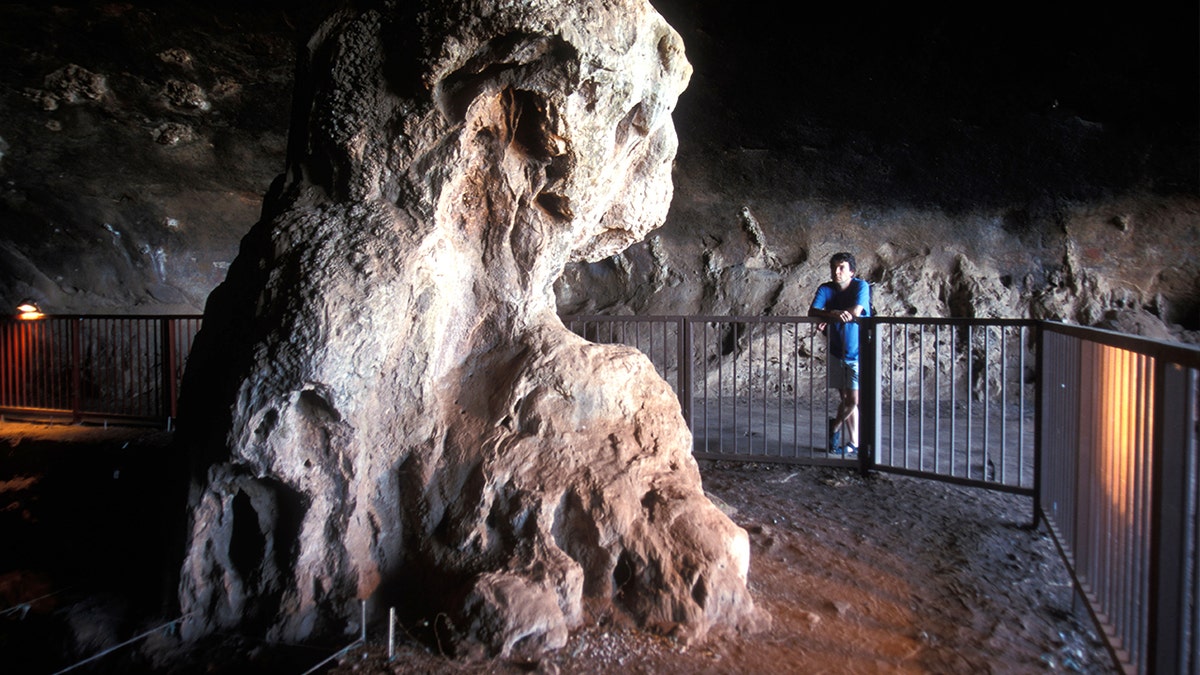
Researchers say new evidence from South Africa’s Wonderwerk Cave suggests that early human ancestors used fire as far back as 1.79 million years ago. (The Africa Image Library via Alamy)
In a study published recently in the journal PLOS One, researchers described using a new technique to identify evidence of burning in fossilized bones.
At the site, researchers also found evidence of owl pellets being used as fuel, as well as burned animal bones nearly 100 feet inside the cave.
“Using a newly developed technique that can detect signs of burning in fossilized bones, researchers identified repeated evidence of fire deep inside the cave,” the university said in a statement.
“Because these traces were found far beyond the reach of natural wildfires, the findings suggest that early humans were deliberately bringing naturally occurring fire into the cave and keeping it burning.”
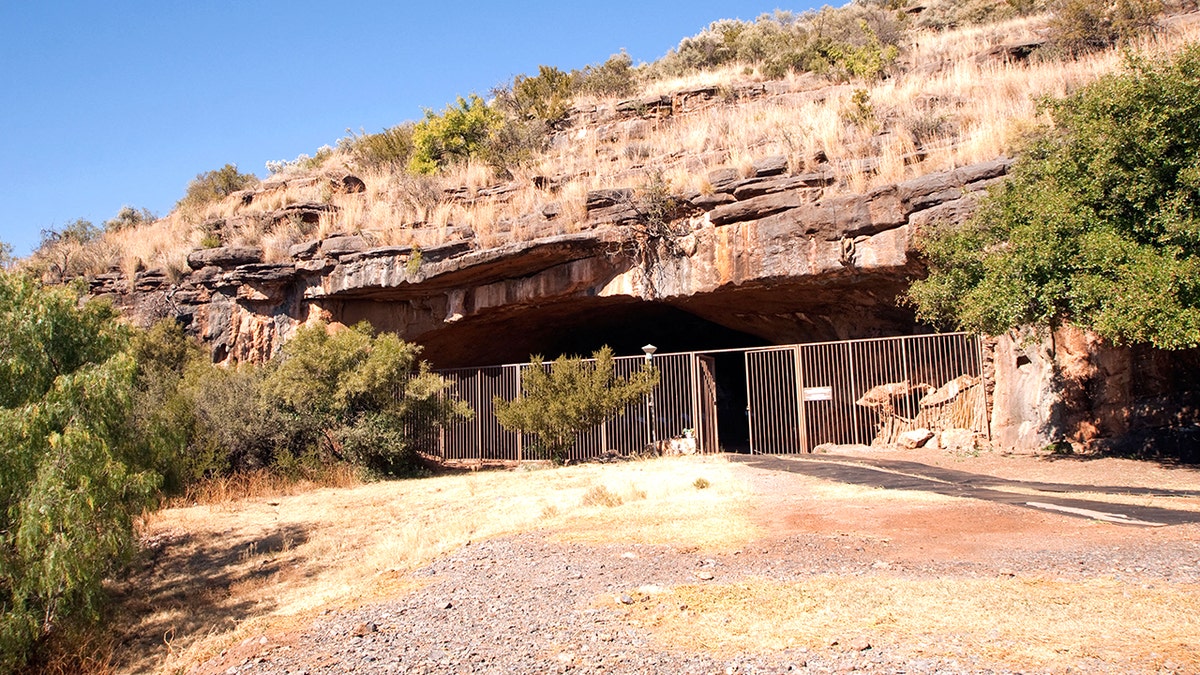
Evidence uncovered at Wonderwerk Cave, pictured above, could push back one of the earliest known records of hominin fire use by hundreds of thousands of years. (Greatstock via Alamy)
Fox News Digital reached out to the researchers for comment.
The university noted that fire gave early humans several survival advantages.
CLICK HERE TO SIGN UP FOR OUR LIFESTYLE NEWSLETTER
“Fire offered many advantages, including warmth, protection from predators, light after dark, and eventually the ability to cook food,” the release added.
“Even so, determining when humans first began using fire has remained one of archaeology’s most difficult questions.”
“Early humans were not simply passive observers of natural fires. They were actively engaging with fire and incorporating it into their lives.”
Though it appears early humans were capable of transporting and maintaining fire inside caves, researchers cautioned that this does not mean they could create fire whenever they wanted.
TEST YOURSELF WITH OUR LATEST LIFESTYLE QUIZ
“Instead, the findings indicate that they likely collected fire from natural sources, such as lightning strikes or wildfires on the African savanna,” the release says.
CLICK HERE FOR MORE LIFESTYLE STORIES
“According to the researchers, these ancient humans brought fire into the cave on multiple occasions and maintained it for a period before it eventually went out.”
Liora Kolska Horwitz, a researcher with the National Natural History Collections at the Hebrew University of Jerusalem and co-director of the Wonderwerk Cave project, said that evidence of ancient fires is typically “subtle and difficult to detect.”

The study builds on earlier discoveries at Wonderwerk Cave, where researchers previously reported evidence of intentional fire use dating to about 1 million years ago. (Greatstock via Alamy)
“Our study provides new tools for identifying traces of ancient burning and reveals that fire was repeatedly present deep inside Wonderwerk Cave,” she said.
Kolska Horwitz added, “These discoveries show that early humans were not simply passive observers of natural fires. They were actively engaging with fire and incorporating it into their lives.”
The discovery follows a similar breakthrough in Barnham, England, reported in 2025.

The researchers say their findings show early humans were actively engaging with fire rather than simply observing naturally occurring blazes. (iStock)
There, researchers uncovered what they said was the earliest evidence of humans deliberately making fire, dating to about 400,000 years ago.
CLICK HERE TO DOWNLOAD THE FOX NEWS APP
Before the Barnham discovery, the earliest known evidence of deliberate fire-making dated to about 50,000 years ago in northern France.