Canadian tariffs on U.S. milk, perfume, golf clubs and other goods take effect as trade war grinds on
Canada’s steep retaliatory tariffs on $20 billion in U.S. goods took effect just after midnight ET on Tuesday, extending the trade war between the two countries.
The Canadian government announced the planned tariffs two weeks ago, after trade negotiations broke down and the Trump administration followed through on a threat to impose 50% duties on $20 billion worth of goods from Canada. Officials in Canada have vowed to match the U.S. levies “dollar for dollar.”
Canada’s tariffs range from 15% to 50%. American milk, perfume, video game consoles, golf clubs, fishing rods, steel, aluminum, jackets and T-shirts will face 50% tariffs. Cheese, carpets and certain household appliances like stoves and air conditioners will be subject to 25% tariffs, and forklifts and industrial molds will face 15% tariffs.
Initially, some American seafood was slated to face 25% tariffs, but Canada removed those tariffs from the list following pushback from the lobster industry.
Economists say Canada’s tariffs could hit manufacturers in Midwestern states like Michigan and Indiana particularly hard, as well as dairy producers in Wisconsin and Vermont.
The levies were imposed in response to U.S. tariffs on Canadian milk, honey, hockey sticks, alcoholic beverages, plywood, down feathers, jewelry and other goods.
The tit-for-tat tariffs impact a small fraction of the goods that flow across the U.S.-Canada border, which totaled more than $700 billion last year, according to U.S. government figures. But they mark an escalation in an increasingly bitter trade dispute between the two allies.
President Trump threatened hefty tariffs on Canadian and Mexican goods shortly after returning to office last year, in response to what he said he viewed as insufficient action to prevent drugs and migrants from crossing into the United States. Canada reacted with its own retaliatory measures, including tariffs on U.S. goods and boycotts on American liquor in some provinces.
The two sides later launched trade talks and called off some of their most stringent measures, but tensions have remained high. Mr. Trump chose not to renew the U.S.-Mexico-Canada Agreement — a deal he inked during his first term — beyond 2036. The two countries have also feuded over NATO and Mr. Trump’s musings about making Canada the 51st U.S. state.
Over the summer, the Trump administration threatened tariffs on $20 billion in Canadian goods, accusing Canada of discriminating against American-made goods and retaliating excessively against Mr. Trump’s 2025 trade measures.
Mr. Trump briefly delayed those tariffs last month as U.S. and Canadian negotiators neared a deal, but they were ultimately unable to reach an agreement. Both sides accused each other of torpedoing the negotiations by tacking on last-minute demands.
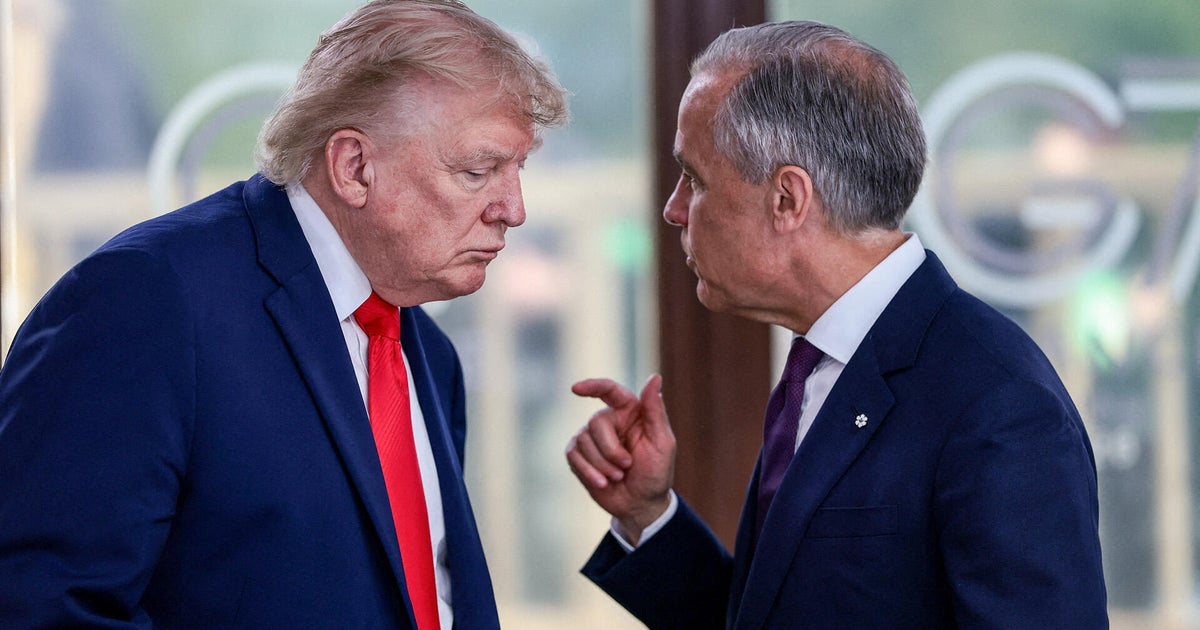
After pulling out of talks, Canadian Prime Minister Mark Carney has argued the Trump administration “asked too much and offered too little,” and pressed for control over Canada’s trade deals with other countries — an arrangement he cast as a threat to the country’s sovereignty. He also said the U.S.’ “signature was written in pencil” on prior deals.
Mr. Trump, meanwhile, has accused Canada of unfair trade practices and claimed it “wants the benefits of being a State, without being one.”
“I don’t want Canadian cars, I don’t want Canadian parts, I don’t want Canadian anything,” Mr. Trump wrote last month on social media. “They’ve been ripping us off for decades, and it’s going to stop.”
As the war of words escalated, Ontario Premier Doug Ford — who leads Canada’s largest province — called Mr. Trump a “dictator” and said he can “kiss my a**” last month. Mr. Trump later moved to rename Lake Ontario to Lake America.
The U.S. president has suggested additional tariffs and trade restrictions could be on the way. Last month, he announced 50% tariffs on all Canadian automotive and steel imports starting in January. And on Monday, he pushed for an end to imports of Bombardier planes unless the Montreal-based company moves production to the United States.