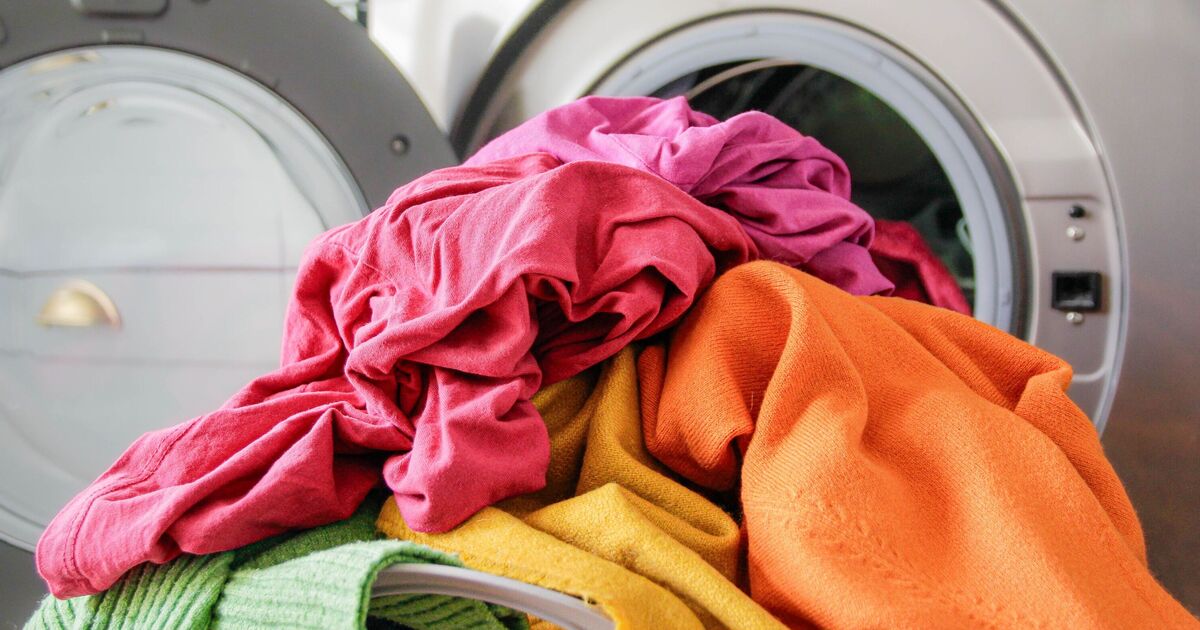
Clothes will dry faster indoors using 1 household item – no tumble dryer

Laundry experts say you should wrap wet clothing inside a dry towel to soak up moisture (Image: Getty)
Laundry is a necessary evil that everyone has to do but doesn’t particularly enjoy and it can often feel like a never-ending process, particularly if you live in a busy household.
While the actualy washing part itself isn’t so bad – simply toss the dirty clothes in the washing machine, add some washing powder, press the button and you’re good to go – the frustrating part is when the drying comes in. Drying freshly washed clothes is a time consuming business, especially if you’re trying to get the job done indoors. While the warmer months mean it’s possible to take advantage of the sunshine and dry clothes outdoors, with grass pollen season currently in full swing, hanging clothes to dry outside isn’t necessarily the best option if you suffer from hay fever.
Pollen is sticky and can cling to your clothes so if you leave your washing to dry outside for several hours you can end up bringing it back into your home and making symptoms worse. Experts advise against drying clothes outdoors during the pollen season for this reason, which means for allergy sufferers, the only other options are to hang washing to dry inside, or use a tumble dryer.

Some people opt to dry their clothes indoors (Image: Getty)
But not all households have a tumble dryer, likely because they’re very expensive to run, so using a clothes airer is the next best option. And while this is much cheaper, it can also take a long time for clothes to dry – but there is a nifty way to speed up the process that won’t cost you a penny.
According to laundry experts, wet clothing should be wrapped inside a dry towel after washing to help soak up some of the excess water, helping to get everything dry much faster.
In its online advice on drying clothes, Lifestyle Clotheslines said: “If you want to quickly dry your clothes without a dryer, try the towel roll method. This technique involves wrapping wet clothing in one or multiple dry towels to absorb water then adding paper towels on top for extra moisture extraction. Doing this technique can help speed up the drying process significantly while saving time and effort along the way.
“Start by taking each piece of clothing from its damp state and rolling it tightly inside one single dry towel, when using multiple garments at once make sure to separate clean linens if possible.
“Once that’s done, twist both ends of the towel – ensuring that it’s tightly twisted to guarantee that it successfully squeezes excess water. Insert some sheets of paper towels into the creases that were created during folding-in so any additional drops get soaked away too.
“Finally, inspect how effective this has been. If not, you may have squeezed too many items at once. Remove some items then repeat the steps until you achieve the desired results.”
Our community members are treated to special offers, promotions, and adverts from us and our partners. You can check out at any time. Read our Privacy Policy
Martin Seeley, sleep expert and CEO of MattressNextDay, says this technique is also effective for drying bed sheets, particularly if you’re avoiding using washing lines during the pollen season.
He said: “I always recommend drying your bedding indoors or using a tumble dryer to keep it pollen-free. If you’re worried about your bed sheets taking a while to dry, I’d recommend washing them first thing in the morning so you can take advantage of warmer temperatures and natural airflow throughout the day.
“Before hanging them up, give your sheets a really good shake helps separate the fibres and speeds up drying. Another trick I use is the towel technique: lay your damp sheet flat on a dry towel, roll them up tightly together, and press down to absorb excess moisture before hanging the sheet to finish drying.”
“These simple hacks can dramatically reduce drying times indoors, making it much easier to keep your bedding fresh and pollen-free during high pollen seasons.”