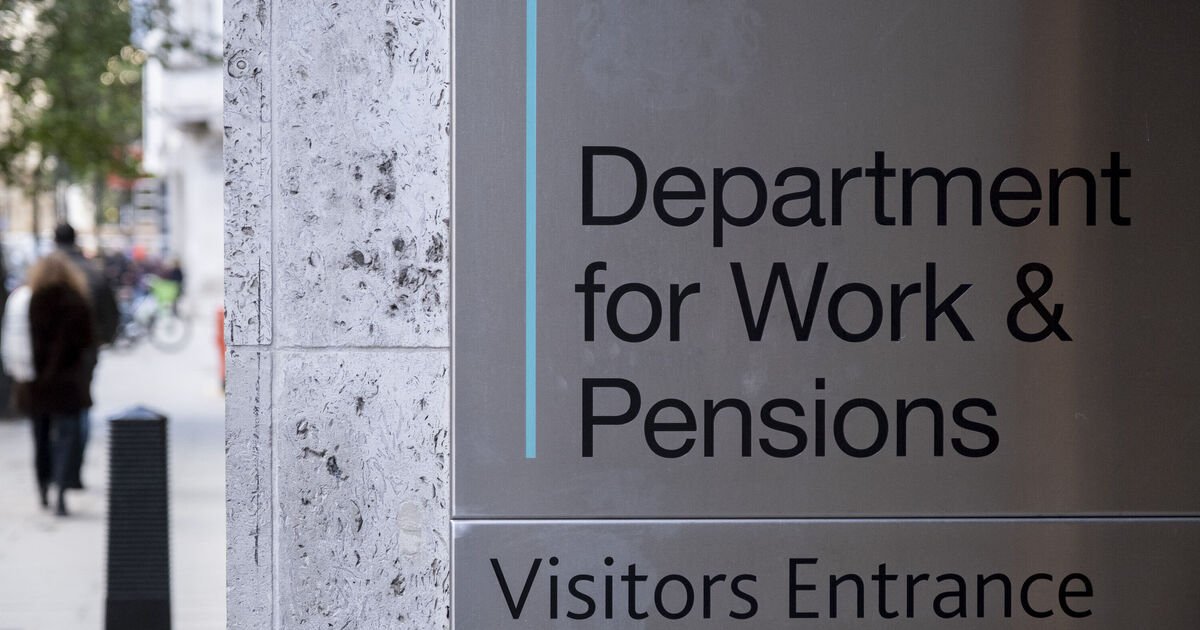
DWP confirms when state pension and Universal Credit payments end for claimaints | Personal Finance | Finance

DWP confirms when state pension and Universal Credit payments will end for claimants (Image: Getty)
The Department for Work and Pensions (DWP) has clarified what happens to State Pension and Universal Credit payments when a claimant dies, explaining how government departments are notified and when payments are brought to an end.
DWP minister Andrew Western outlined the process in Parliament after being asked what steps the Government was taking to improve the timeliness and accuracy of death notifications across public services. Mr Western explained that the Government’s Tell Us Once service allows bereaved families to report a death to multiple departments through a single notification, helping to reduce the administrative burden during a difficult time.

DWP confirms exactly when State Pension and Universal Credit payments stop after death (Image: Getty)
The service is available across all local authorities in England, Scotland and Wales and is designed to ensure official records are updated promptly once a death has been registered.
Speaking in Parliament, Mr Western said: “The service allows recently bereaved citizens, at a very stressful time in their lives, to inform participating Government departments of a registered death.
“The choice of who is informed of the event of death and the supplementary information regarding the deceased is also dictated by citizen choice – thus providing the best possible experience with fairness, respect, compassion and dignity.”
He added that participating organisations are typically informed by the next working day after a death is reported through the service.
Once the notification has been received, the DWP is informed so it can stop payments including Universal Credit and State Pension and update its records accordingly.
The Tell Us Once service also notifies HM Revenue and Customs (HMRC), enabling it to deal with tax affairs and stop payments such as Child Benefit where appropriate.
Other organisations informed through the service include the Passport Office, which cancels British passports, and the Driver and Vehicle Licensing Agency (DVLA), which revokes driving licences and can remove the deceased as the registered keeper of vehicles.

Families urged to use Tell Us Once service as DWP confirms payment rules after death (Image: Getty)
Local councils are also notified so they can end Housing Benefit, Council Tax Reduction and Blue Badge entitlements.
Meanwhile, Veterans UK is informed about Armed Forces Compensation Scheme payments, while Social Security Scotland receives notifications to stop devolved benefits, including Scottish Child Payment.
The Government says the service is intended to make the process as straightforward as possible for grieving relatives by reducing the number of organisations they need to contact individually.
Tell Us Once can be used when the deceased person lived in England, Scotland or Wales. It may also be available if the person died abroad temporarily, such as while on holiday or travelling for work.
However, the service cannot be used if the deceased was living in Northern Ireland at the time of death. In those cases, families are advised to contact the relevant departments separately through NI Direct.
People who had been living permanently overseas are also excluded from the scheme and deaths must instead be registered through the appropriate authorities in the country where they lived.
Government guidance states that after a death has been reported, HMRC and the DWP may contact relatives or representatives to deal with any outstanding tax matters, benefits, overpayments or entitlements linked to the deceased person’s estate.
Families registering a death can either complete the Tell Us Once process with the registrar at the appointment or receive a unique reference number that allows the service to be accessed online or by telephone.