F1 rule changes agreed before Miami GP as Max Verstappen gets his way | F1 | Sport

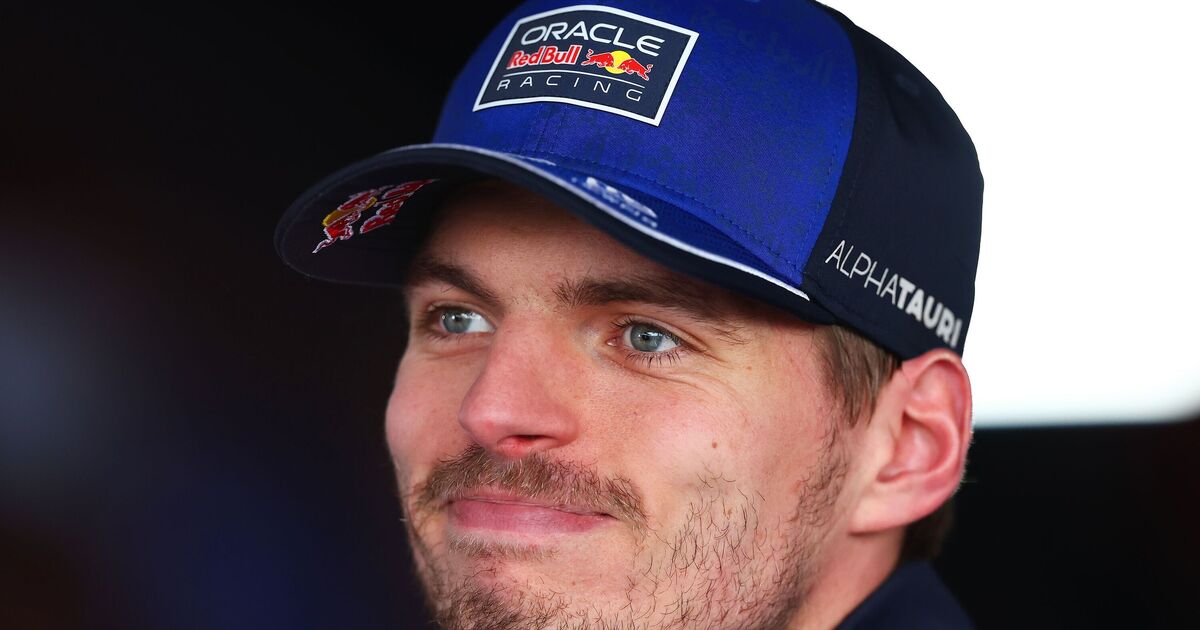
Max Verstappen now has something to smile about after refinements to these new Formula 1 regulations (Image: Getty)
The FIA have agreed a series of refinements to this season’s Formula 1 regulations with all of the sport’s stakeholders, following a meeting involving power unit manufacturer chief executives, Formula One Management (FOM), team principals, and the FIA. These proposals are split into four sections: race, race starts, wet conditions and qualifying, which the FIA World Motor Sport Council (WMSC) will now vote on so that they can be implemented for the Miami Grand Prix.
Max Verstappen was one of the most prominent critics of the new rules, but he should be happy with changes to reduce excessive closing speeds and recharge time. The four-time world champion said in advance of these meetings: “The fact that we’re talking is already a step forward; the problem is simply that you can tweak these regulations a bit, but fundamentally, something is wrong; not everyone will admit that publicly, but it’s true. He added: “I’m just trying to adapt to it, even though I’ll be retiring in a few years’ time, I do want it to remain a decent sport, something has to change, in that case, I would choose to have the V10 or V8 engines brought back.”
A statement released by the FIA after these latest talks reads: “A number of refinements to the 2026 FIA Formula One World Championship regulations were agreed today during an online meeting between the FIA, Team Principals, CEOs of Power Unit Manufacturers and FOM. The final proposals presented during today’s meeting were the result of a series of consultations over the past few weeks between the FIA, technical representatives and extensive input from F1 drivers.
“Discussions around potential adjustments were based on data gathered from the first three events of the 2026 season. The 2026 regulations were developed and agreed in close partnership with the FIA, teams, OEMs, Power Unit Manufacturers, and FOM. Changes to the regulations were discussed against the backdrop of this collaboration. The proposals agreed today were as follows and will be implemented from Miami, apart from the race start changes that will be tested in Miami and adopted following feedback and analysis.”
During races, they aim to improve safety and consistency of performance with measures “designed to reduce excessive closing speeds while maintaining overtaking opportunities and overall performance characteristics” by capping the maximum power available through the boost in race conditions at +150 kW to limit sudden performance differentials. Motor Generator Unit Kinetic (MGU-K) deployment will, however, “remain at 350 kW in key acceleration zones (from the corner exit to the braking point, including overtaking zones), but will be limited to 250 kW in other parts of the lap.”
FOLLOW OUR F1 FB PAGE! Get all the latest from our Formula 1 coverage via our dedicated Facebook page

Max Verstappen should welcome the reduction in recharge time after his complaints to start this year (Image: Getty)
As for qualifying, they hope to improve performance by adjusting energy management parameters to reduce the maximum permitted recharge by 1 MJ, from 8 MJ to 7 MJ. They aim to reduce excessive harvesting and encourage “more consistent flat-out driving” with the target to reduce maximum superclip duration to “approximately 2-4 seconds per lap”.
To further reduce driver workload on energy management and time spent recharging, they have increased the peak superclip power from 250kW to 350kW, which will also apply to race conditions. They may also apply alternative lower energy limits to four more races, increasing the total from eight to 12 to allow “greater adaptation to circuit characteristics”.
In wet conditions, they want to improve safety and visibility, and, based on driver feedback, tyre blanket temperatures for intermediate tyres have increased to improve initial grip and tyre performance, and there is also hope that car control in low-grip conditions will improve through reduced maximum Energy Recovery System (ERS) deployment to limit torque. One visual change will be the simplified rear light systems to make them clearer and more consistent visual cues, “to improve visibility and reaction time for following drivers in poor conditions”.
Our community members are treated to special offers, promotions, and adverts from us and our partners. You can check out at any time. Read our Privacy Policy
Enhanced safety mechanisms during race starts will be analysed and tested during the weekend in Miami. These changes include a new “low power start detection” system they have developed to identify abnormally low acceleration shortly after clutch release in cars, triggering an automatic MGU-K deployment to mitigate start-related risks and maintain a minimum level of acceleration, ensuring no sporting advantage. The system also features visual warnings in the form of rear and lateral flashing lights on affected cars to alert drivers. They also acknowledge that the energy counter will be reset at the start of the formation lap “to correct a previously identified system inconsistency”.
FIA president Mohammed Ben Sulayem shared a statement on Monday after the meeting. It reads: “I would like to praise everyone across the Formula 1 ecosystem – the FIA staff, teams, drivers and the Power Unit Manufacturers – for the constructive and collaborative work carried out in a very short space of time. While we have faced an unexpected gap in the calendar due to circumstances beyond the sport, all parties have remained fully committed to acting in the best interests of Formula 1.
“More than ever, the drivers have been at the heart of these discussions, and I would like to thank them for their valuable input throughout this process. Safety and sporting fairness remain the FIA’s highest priorities. These changes have been introduced to address the issues identified in the opening events and to ensure the continued integrity and quality of the competition. We now look forward to the rest of what promises to be an exciting 2026 season.”