Fury as archaeology site ‘cleared’ for Putin’s billionaire friends | World | News

Authorities in the annexed territory have reduced the protected boundaries of the medieval site (Image: Getty)
Heritage campaigners in Crimea have expressed outrage after Russian authorities approved plans to shrink the boundaries of a protected archaeological site to make way for a luxury hotel linked to the childhood friends of Vladimir Putin. Authorities in the annexed Ukrainian territory have reportedly reduced the protected boundaries of a medieval archaeological heritage site in Sevastopol to clear land for Putin’s billionaire friends Boris and Arkady Rotenberg.
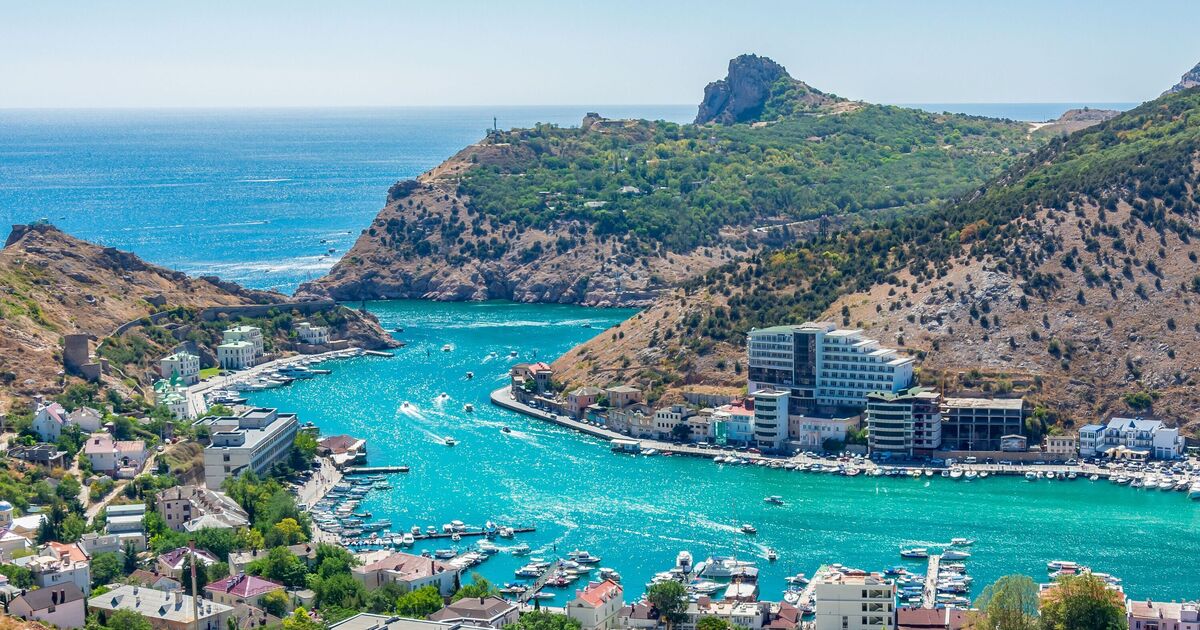
The decision concerns the Northern Settlement of the Cembalo Fortress archaeological site, a medieval settlement dating from the 13th to the 18th centuries, located near the Genoese fortress of Cembalo in Balaklava, on the Black Sea coast of southwestern Crimea. A company called Port Lamos, which, according to exiled investigative outlet The Insider, is linked to the Rotenbergs, is building a hotel complex on the site of a former Soviet Navy research base on Balaklava’s Nazukin Embankment.
Demolition of the former military facility began this winter. However, part of the construction area overlaps with the protected heritage site.
READ MORE: Russia accused of ‘directing’ Ukrainian drones as ‘propaganda’ warning issued
READ MORE: Trump moves 5,000 US troops to NATO state as Russia tests devastating nukes

Boris and Arkady Rotenberg are Russian billionaires and oligarchs, as well as childhood friends of Putin (Image: Getty)
To remove land from the site’s boundaries, archaeologists excavated over 2,600 square feet (245sqm), including over 2,200 square feet (211sqm) within the officially protected area. Specialists conducting the excavations in March and April discovered more than 2,000 pottery fragments dating from the 14th to 18th centuries, including local, Byzantine, Ottoman and Italian artefacts from the Republic of Genoa.
Despite the findings, a state review concluded the area had been fully studied and could be released for development. As a result, over 2,200 square feet will no longer qualify as an archaeological monument, a section that was once approved by Sevastopol’s cultural heritage authority, Sevnaslediye.
According to The Insider, citing documents from a state historical and cultural review, Port Lamos is also constructing another hotel nearby and acquiring historic properties around Balaklava Bay, including the Yusupov Hunting Lodge and other historic mansions slated for conversion into hotels and restaurants. The Balaklava marina development is among the Rotenbergs’ largest projects in Crimea, which Moscow annexed from Ukraine in 2014.

Putin aims to turn Sevastopol into a luxury waterfront destination by 2030 (Image: Getty Images)
Launched in 2018 under a federal development program ordered by Putin, the project aims to transform the area into a luxury waterfront destination, featuring berths for 600 yachts, hotels, and recreational facilities by 2030. Construction is being carried out by companies connected to the Rotenberg brothers, including a firm previously involved in building the Crimean Bridge.
Sevastopol is the largest city in Crimea and a major strategic Black Sea port. Established in 1783, it serves as the historical home of Russia‘s Black Sea Fleet. It remains a focal point of the ongoing Russia-Ukraine war, with both nations claiming sovereignty over it.
The area is also home to the ruins of the ancient Greek colony of Chersonesos, which holds deep symbolic importance in Russian and Ukrainian history. This UNESCO World Heritage-listed archaeological reserve, Tauric Chersonesos, was founded as a Greek colony in 421 BCE, and its ruins feature a Greco-Roman theatre, ancient city walls and a basilica. Meanwhile, the Inkerman Cave Monastery, located on the eastern outskirts, is a centuries-old cliffside monastery carved directly into the rock and dedicated to St. Clement.