HMRC inheritance tax fines rise to £3m with more families set to be hit | Personal Finance | Finance

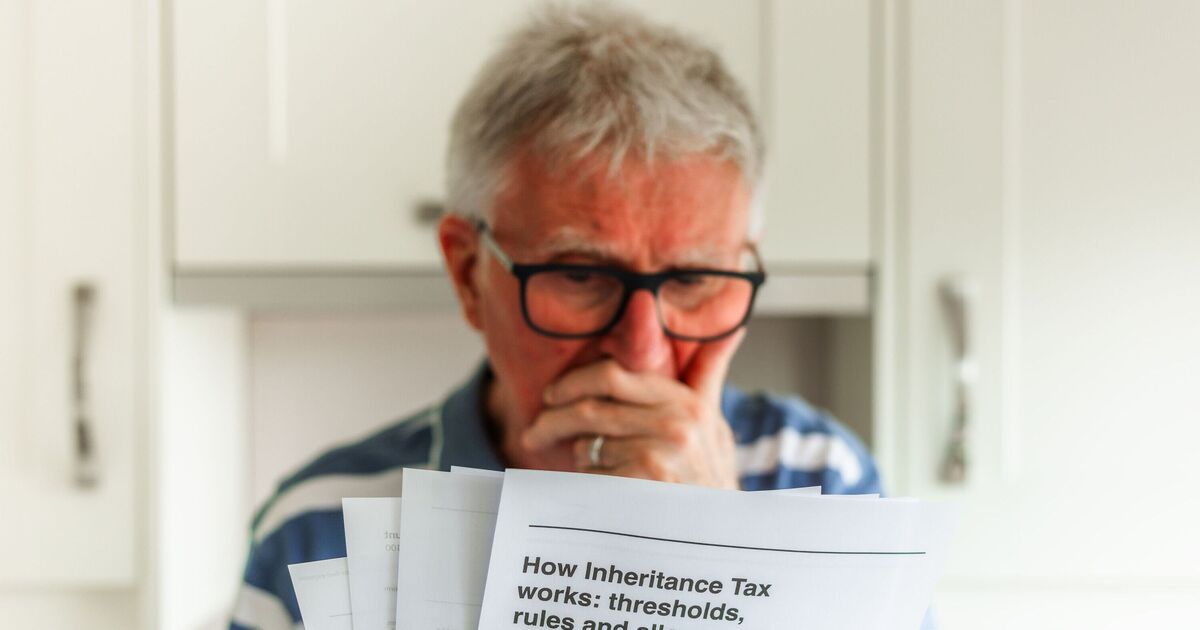
5,200 estates were hit with late filing penalties last year (Image: Getty)
The number of grieving families being hit with fines for failing to complete inheritance tax filings on time has risen by more than a third in five years, figures show. According to data released under Freedom of Information rules, HMRC hit the executors of 5,200 estates with late-filing penalties totalling £3.1m in 2024-25.
The figure represents an increase of 35% on the 3,850 families fined in 2020-21, totalling £1.8m. The data shows that the taxman raked in £13million between 2020-21 and 2024-25 after hitting 24,000 grieving families with fines. When inheritance tax is owed, the executor or person dealing with the estate must submit an IHT400 form to HMRC within 12 months of the death.

HMRC has rejected claims that more people could be dragged into paying the tax (Image: Getty)
This means tracking down and declaring bank accounts, property valuations, investments and any gifts made by the deceased in previous years.
Families who miss the deadline face penalties starting at £100, rising to as much as £3,000 if the return is more than a year late.
More estates are being pulled into the inheritance tax net because tax-free allowances have been frozen since 2009. The tax usually applies to estates worth more than £325,000, with anything above that threshold charged at 40%.
Wealth managers have warned that more families could face penalties from next April, when pensions are set to be brought within the scope of inheritance tax.
Rachael Griffin, of wealth manager Quilter, said delays in form-filling were “inevitable” because of the complexity of the process.
She added: “As more modest estates are caught, there is a greater tendency to try and handle returns without advice.
“That creates predictable friction as many executors are navigating this for the first time, running up against a process that is evidence-heavy, deadline-driven and not particularly intuitive. Delays are an almost inevitable outcome, and penalties follow.
“There is a clear risk [that the number of penalties] intensifies from April. Pension death benefits will move more squarely into the inheritance tax regime, expanding both the number of estates in scope and the complexity of administering them.”
Duncan Mitchell-Innes, of law firm TWM Solicitors, added: “The basic inheritance tax form (IHT400) has 122 questions, often requiring detailed financial and historical information. In many cases, this must be supplemented by additional schedules – of which there are more than 30 – depending on the nature of the estate.”
HMRC dismissed claims that penalties will become more common from next year as “simply not true”.
A spokesman said: “The reality is we reduced reporting requirements during this period for most non-taxpaying estates.
“We’re constantly looking at ways to simplify returns, and the Government is investing £52m to simplify and digitalise our inheritance tax service to make the process quicker and easier.”