Israel and Lebanon sign framework agreement with U.S. in ‘first step’ toward peace, Rubio says
Secretary of State Marco Rubio, along with Israel and Lebanon’s ambassadors, announced a framework agreement Friday that was described as a first step toward peace following months of conflict between Israel and the Lebanese militant group Hezbollah.
Limited time: Save 25% on NBC News subscription
Get exclusive reporting, live Q&As and ad-free reading.

The officials did not share details on the agreement that was signed by Yechiel Leiter, the Israeli ambassador to the United States, and Nada Hamadeh, ambassador of Lebanon to the United States.
Hamadeh said the framework “is a first step on the road to restoring Lebanese sovereignty and territorial integrity, securing a permanent and final cessation of hostilities, enabling our people to go back to their land and allowing all Lebanese to live in peace, security, and prosperity.”
Leiter said the final destination of the framework is peace between the two countries.
“Real peace, where both countries will live in security, where Israel’s and Lebanon’s sovereignty will be respected, honored, and protected,” Leiter said. “In this performance-based trilateral framework agreement, Iran is out. Hezbollah is out. And the road to peace between Israel and Lebanon is in.”
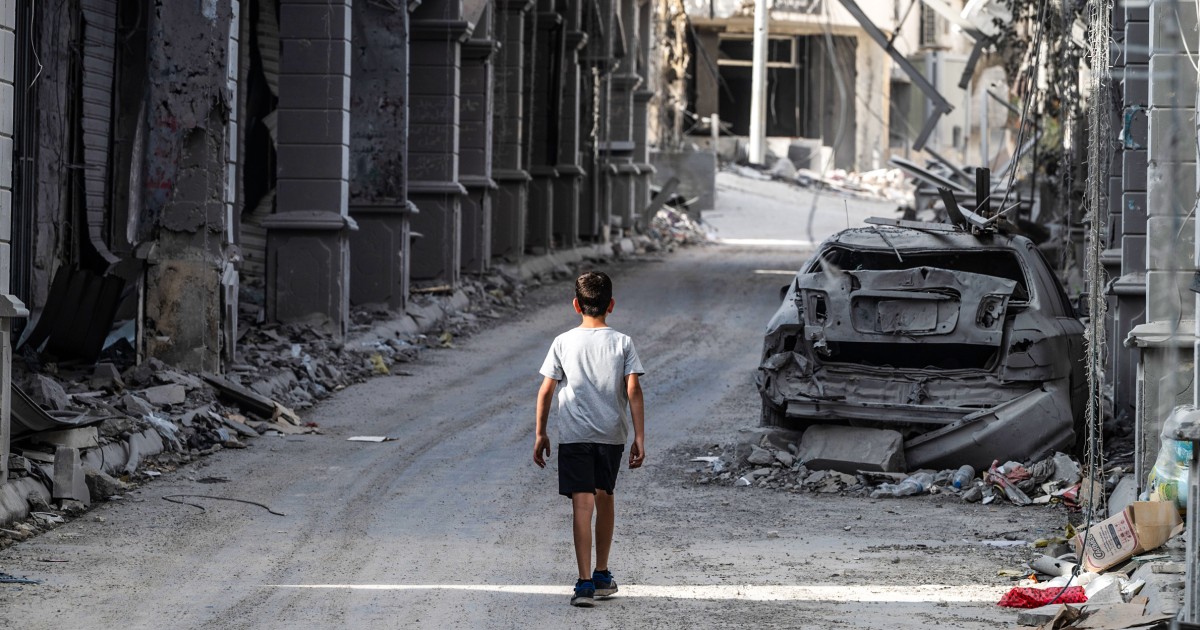
The latest conflict began when Hezbollah fired rockets into Israel days after Israel and the U.S. launched their war on Iran on Feb. 28. Israel invaded Lebanon and has expanded its control.
More than 4,000 people in Lebanon have been killed in Israeli strikes since March. At least 37 Israeli soldiers have been killed in Lebanon or northern Israel during the fighting.

A lull in fire earlier this week between Israeli and Hezbollah forces began to show cracks after Israel said it targeted Hezbollah militants in several strikes across southern Lebanon.
Hezbollah was not part of the talks, which resulted in several ceasefire agreements that were never implemented on the ground.
Lebanese officials have said that securing a withdrawal of Israeli forces from southern Lebanon is a top priority for them in the negotiations, while Israeli officials have prioritized the disarmament of the Iran-backed Hezbollah.
On Wednesday, Lebanon’s President Joseph Aoun told a visiting British parliamentary delegation that a proposal for “pilot zones” where the Lebanese army is supposed to take exclusive control of the territory as Israeli troops will withdraw was “under discussion pending approval from the Israeli side.” He reiterated that the Israel-Lebanon negotiations in Washington are separate from what emerged from the Iran-U.S. talks in Switzerland.
An Israeli official who spoke on the condition of anonymity because they were not authorized to speak to the media said Israel’s direct negotiations with Lebanon include discussions about the redeployment of Israeli forces after southern Lebanon is cleared of Hezbollah infrastructure and Hezbollah has disarmed.
Hezbollah is unlikely to agree to any plan that would include its disarmament throughout the country. The group has maintained that it is only required by previous agreements and U.N. resolutions to disarm in the area south of the Litani River, near Lebanon’s border with Israel.