List of cars exempt from ‘luxury tax’ from April 2026

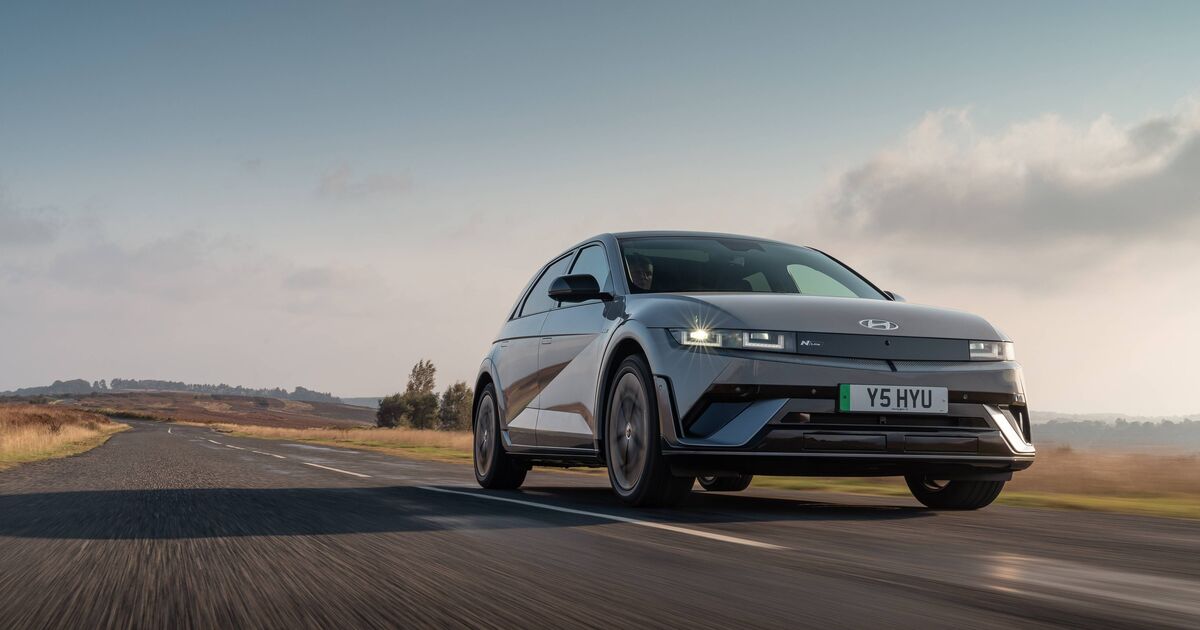
Hyundai Ioniq 5 (Image: Hyundai/Newspress)
A shake-up in car tax regulations in April 2026 means that drivers of certain higher-end vehicles no longer face an additional £425 annual charge. Fresh research from Dick Lovett has uncovered just how many motorists stand to gain from the new tax reforms.
Electric vehicles were previously exempt from the ‘luxury vehicle tax’ — officially known as the Expensive Car Supplement — however it was previously announced that EVs priced at £40,000 or more and registered after April 1, 2025, were subject to paying the additional £425 per year. However, this limit was increased to £50,000 from April 1, 2026, meaning drivers with popular models priced between £40,000 and £50,000 will now avoid this extra charge.
Examining UK vehicle registrations since April 1, 2025, motor group Dick Lovett said it had calculated that at least 475,836 drivers would benefit from this tax change, saving £425 a year. Drivers would have had to pay this tax for a five-year period, starting from the second year of their car’s “life”, meaning drivers now exempt will save a total of £2,125 over five years.
Scrutinising the 116 EV models across 23 ranges that fall within £40,000 to £50,000, Dick Lovett said it found 475,836 registered vehicles are now excluded from the new luxury car tax. While certain models within a range are now exempt, others remain above the tax threshold, making it essential to verify individual models rather than entire ranges.
For instance, motorists purchasing the BYD Sealion 7 Comfort will now avoid the £425 annual charge, with an on-road price of £46,990, while the remaining Sealion 7 variants will continue paying the fee. Nevertheless, some complete ranges are now exempt from the tax. BMW’s iX1 and iX2 ranges now sit beneath the luxury car tax threshold when considering standard specifications.

Skoda Enyaq (Image: Skoda/Newspress)
Read more: Fuel-saving ‘tips’ that could harm your car as ‘genuine’ method explained
Read more: Halifax says customers ‘get extra £250 without earning a penny more’
Models exempt from luxury vehicle tax after April 1 2026 change
- Audi Q4 e-tron (82,925 registered vehicles in Q2 and Q3 2025)
- BMW iX1and iX2 (46,017 registered vehicles)
- BYD Seal Design EV and Sealion 7 Comfort EV (7,216 registered vehicles)
- Cupra Tavascan (5,667 registered vehicles)
- Ford Capri (2,284 registered vehicles)
- Hyundai Ioniq 5 and Ioniq 6 (20,161 registered vehicles)

MG IM6 (Image: MG IM6/Newspress)
- Lexus RZ (2,209 registered vehicles)
- Mercedes-Benz CLA Electric and EQA (2,000 registered vehicles)
- MG IM6 Long Range (27 registered vehicles)
- Peugeot E-3008 and E-5008 (19,609 registered vehicles)
- Polestar 2 (44,347 registered vehicles)
- Skoda Enyaq (22,534 registered vehicles)
- Tesla Model 3 Premium, Model Y and Model Y Premium (211,125 registered vehicles)
Alex Lee, motoring expert at Dick Lovett, said: “For anyone looking at a new EV, this tax change offers a welcome savings opportunity. For those looking at electric cars between £40,000 and £50,000, drivers can now expect to save £2,125 over five years.
“This also means that drivers will have more choice when it comes to mid-range EVs, and can add higher spec trims to these models without worrying about extra taxes being applied. For example, the MINI Countryman SE ALL4 models would already have been exempt from this luxury car tax, but buyers can now benefit by adding high spec configurations such as their Level 1 Pack (from £42,705) without triggering the additional tax on their car.
“However, with the changes in this tax, it’s important for drivers to look into the specific car they are wanting to get to avoid any confusion, as not all models will now be exempt. While BMW’s iX1 and iX2 ranges now fall under the luxury car tax threshold, the iX M60 models will not be exempt from the £425 per year charge.
“The tax is based on the list price of your vehicle at purchase, so be sure you’re not opting for trims that push you over the threshold without knowing. It’s always best to head into a dealership to chat through your options if you’re not sure on pricing.”