Major DWP PIP cuts plan update issued on Monday | Personal Finance | Finance

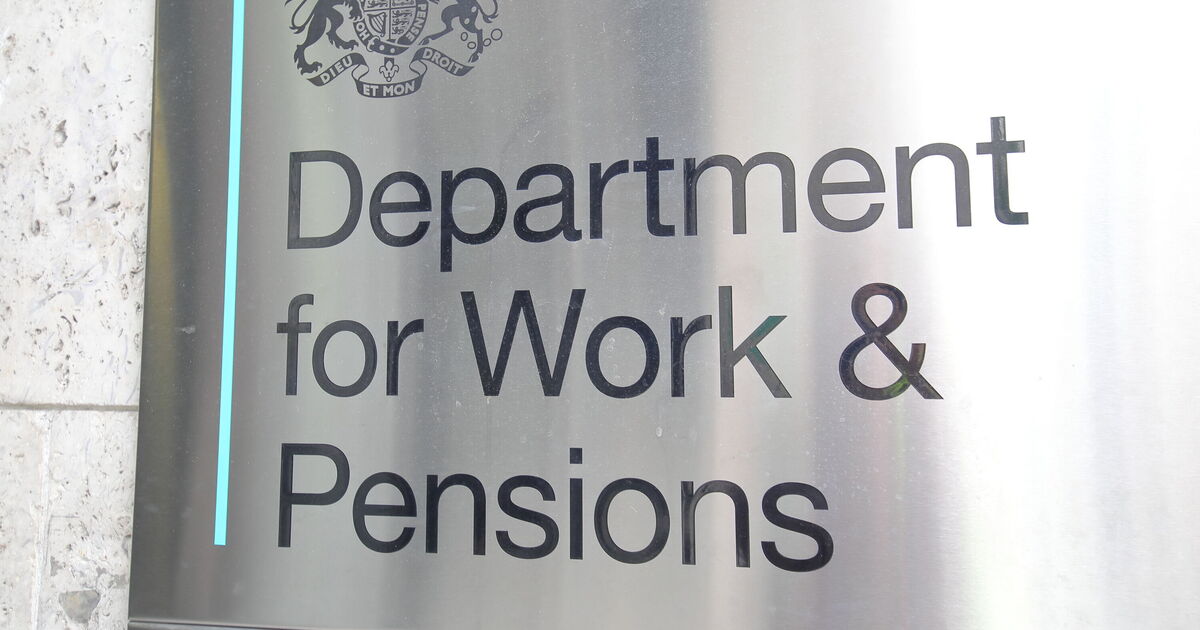
An update on plans to reform PIP has been issued today (Image: Getty)
A major update has been issued to households over plans to cut DWP Personal Independence Payments (PIP).
Although planned cuts to Universal Credit did go ahead, last year, ministers were forced to climb down on proposals to also reform disability benefits, including for those with mental health conditions, in the face of backbench Labour opposition.
Universal Credit saw its Limited Capacity for Work Related Activity (LCWRA) benefits slashed in half for new claimants from April.
New claimants making a claim after April 6 are now only able to get a reduced £217.26 per month, down from the previous £432.37, which over the course of a year results in £2,580 less in DWP payments. However, existing LCWRA claimants are protected and will continue to receive the higher amount.
But plans to gut PIP were put on hold and instead of immediate reform, the Timms review is seeking views on personal independence payment and how it works, with minsters promising any changes to the benefit – which helps with extra living costs for people who have a long-term physical or mental health condition or disability and difficulty doing certain daily tasks or with mobility because of their condition – have been postponed until after that takes place.
In 2025, the House of Commons confirmed the changes being examined by government. In a report, it set out: “At present, PIP claimants can qualify for the daily living component by accumulating low scores across several of the 10 daily living activities in the PIP assessment.
“The government proposes introducing an additional requirement that claimants score four or more points in at least one of the activities to qualify for the daily living component. In addition to saving an estimated £4.5 billion a year by 2029/30, the government says this will focus the daily living component on people with higher needs.
“The government estimates that, as a result of this change, in 2029/30 around 800,000 people will not receive the daily living component of PIP who would have under the current rules.”
But the plans were parked amid outcry and pressure from Labour backbenchers, and a review was launched.
Today, the Timms Review issued an official update on the progress of the consultation and its proposed changes.
Dr Clenton Farquharson CBE, Sharon Brennan and Rt Hon. Sir Stephen Timms MP, Co-chairs of the Timms Review, wrote in a statement: “We are writing to you once again as co-chairs of the Timms Review of Personal Independence Payment (PIP), to update on the Review’s progress since our last letter. This letter provides an update on the Call for Evidence and more information on different ways to be involved in the Review.”
They continued: “In the 10 weeks during which the Call for Evidence was open, we received over 38,000 responses. The fact that so many people (alongside different organisations) took the time to respond highlights the important role PIP plays in supporting disabled people, and the strength of people’s interest in improving it for the future…Today, we are launching the Timms Review’s Workshop in a Box, which can be found on the Timms Review collection page on GOV.UK.
Our community members are treated to special offers, promotions, and adverts from us and our partners. You can check out at any time. Read our Privacy Policy
“This type of engagement tool was used by NHS England as part of their work to develop the 10-Year Health Plan. It’s a tool that is aimed at helping organisations across the UK to facilitate a conversation with their communities about the Timms Review and the role PIP plays in people’s lives.
“These workshops are aimed at gathering qualitative evidence from a wide range of people living with disability and long-term health conditions on key themes of the Review. The input we receive from this will form a key part of the co-production process of the Review.”
They added: “As ever, we are deeply grateful for your continued engagement, support, and challenge, as we work to create a future PIP system that is fair and fit for all. Please, take this opportunity to get involved in the Review by hosting a workshop if you can – as this Review will only succeed if disabled people across the UK help to shape it. With your help, we can make sure PIP truly meets the needs of those it is intended to serve.”