Nationwide alert for anyone who received £100 Fairer Share Payment | Personal Finance | Finance
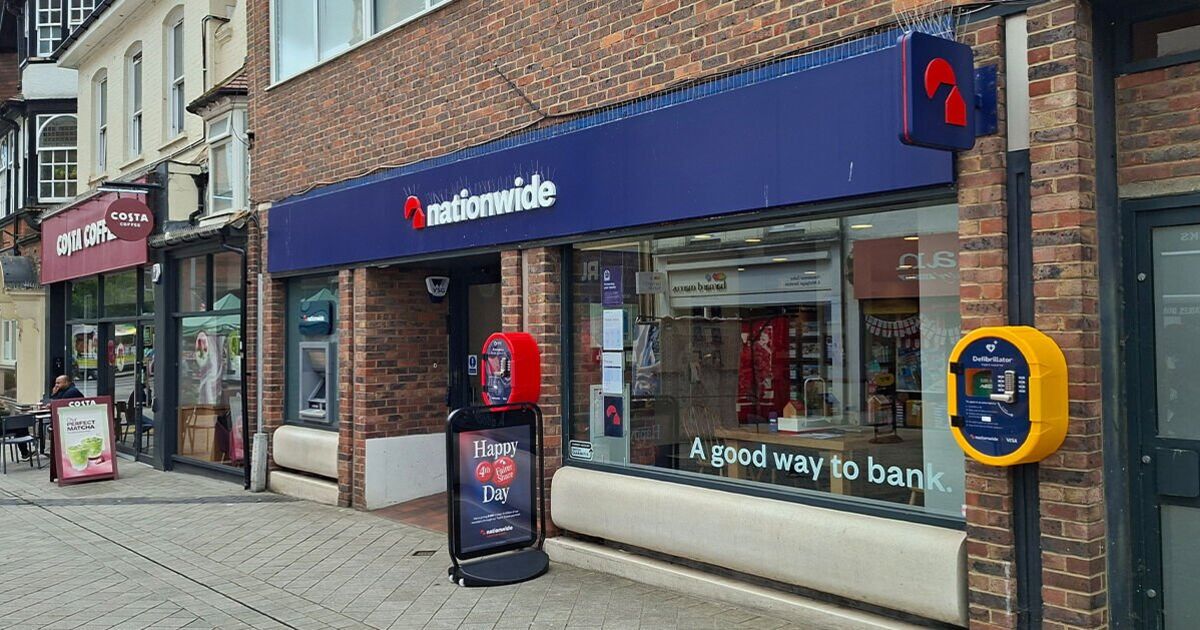
Nationwide Building Society members may want to read up on some HMRC rules that you may not realise affects you. Millions of customers have just received an £100 bonus payment but you may need to pay some tax as a result.
The mutual is sending out to more than four million of its customers an £100 payment in the latest round of the Fairer Share scheme. This bonus programme is where the building society shares out its profits among members.
There have been four payments to date of £100 each. You needed a combination of a Nationwide current account along with either a savings account or a mortgage to qualify.
Seeing the bonus credited to your account may be pleasing, but customers are warned they may need to pay a portion of it to HMRC. Rachel Springall, finance expert at Moneyfactscompare.co.uk, said: “It is treated as interest for UK income tax purposes. So, it will be reported to HMRC.”
This means the £100 will count towards using up your tax-free allowance for your interest earnings. People on the basic rate of income tax can earn up to £1,000 in interest each tax year without paying tax on this.
If you are on the higher rate, you only get a £500 allowance, while those on the additional rate get zero allowance and have to pay tax on all their interest growth. Under current rates, you pay tax on interest at the same rate as your marginal income tax rate.
How much tax would you have to pay on the £100 Fairer Share Payment?
So if you had to pay tax on the full £100, if you are on the basic rate of income tax you would have to pay £20 to HMRC. Those on the higher rate would face a £40 bill to the taxman while those on the additional rate would have to pay £45 of their bonus to Rachel Reeves.
Ms Springall urged people to check how the bonus will affect their allowances, saying: “It’s vital savers ensure they stay within their personal savings allowance (PSA) if receiving the £100.” She pointed to some market trends to be aware of here as you may have to pay more tax than you think.
The expert said: “As interest rates have been creeping up, and fiscal drag hits hard, more savers are being caught up in breaching their PSA. If in doubt, opening a cash ISA or stocks and shares ISA can help shield cash from tax, but savers need to be aware of the changes in April 2027, the annual cash ISA allowance will drop to £12,000, but remain at £20,000 for savers aged 65 or over.”
Savings tax changes
Under current HMRC rules, you can deposit up to £20,000 each tax year into ISAs such as cash ISAs or stocks and shares ISAs, where all your interest earnings or investment growth remains tax-free. However, from next year, you’ll only be able to allocate up to £12,000 of this allowance for cash ISAs.
The remaining £8,000 will only be available for deposits into investment-based accounts. It’s also worth noting that the tax rates that apply to your interest earnings is going up, increasing by two percentage points.
This will lift the tax rate for basic rate taxpayers from the current 20 per cent up to 22 per cent. For those on the higher rate, their rate will increase from 40 per cent to 42 per cent, while those on the additional rate will see their rate increase from 45 per cent to 47 per cent.