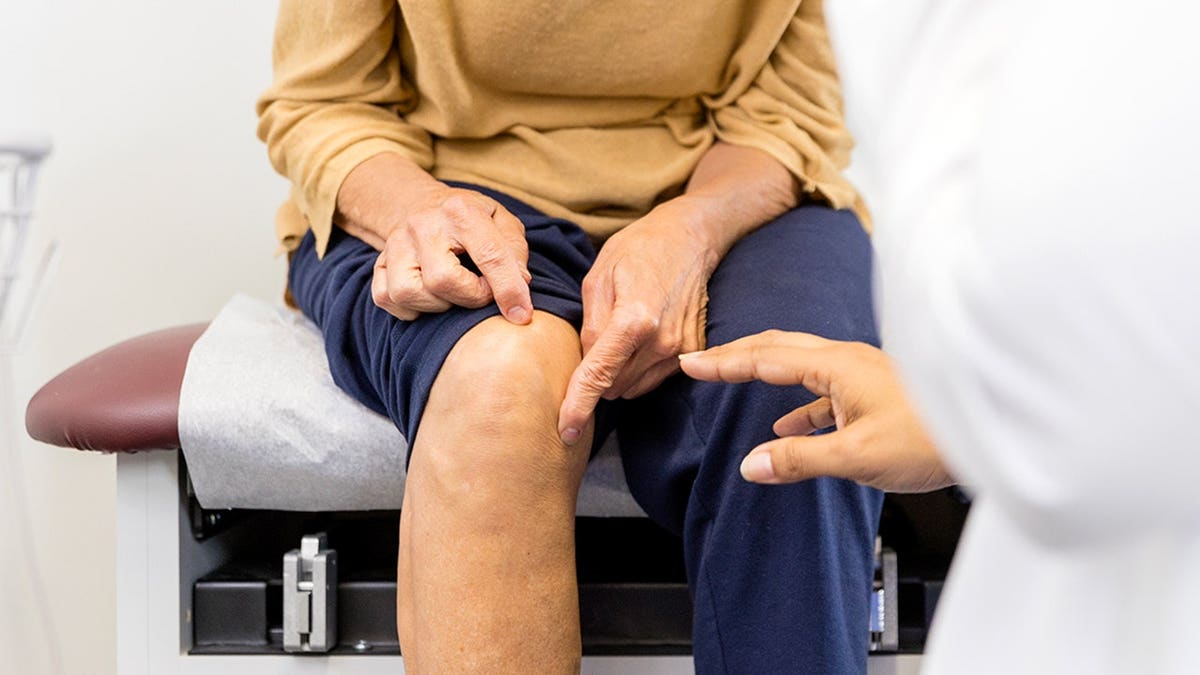
Non-surgical knee osteoarthritis procedure cut pain in 80% of patients for year
NEWYou can now listen to Fox News articles!
A non-surgical procedure that temporarily blocks extra blood vessels in the knee is offering lasting pain relief for people with knee osteoarthritis.
In a clinical study of 194 patients, 80% of them reported significant reductions in knee pain that lasted for at least a full year after receiving the treatment.
The findings highlight a potential alternative for millions of adults with chronic joint pain who have outgrown pain medications or steroid injections — but who want to avoid total knee replacement.
WEIGHT-LOSS DRUGS MAY FIGHT 7 SERIOUS HEALTH PROBLEMS BEFORE THE POUNDS EVEN COME OFF
Osteoarthritis wears down joint cartilage and causes the body to grow unnecessary new blood vessels around the knee, according to Mayo Clinic.
These extra vessels increase inflammation and irritate surrounding nerves, making daily movement painful.
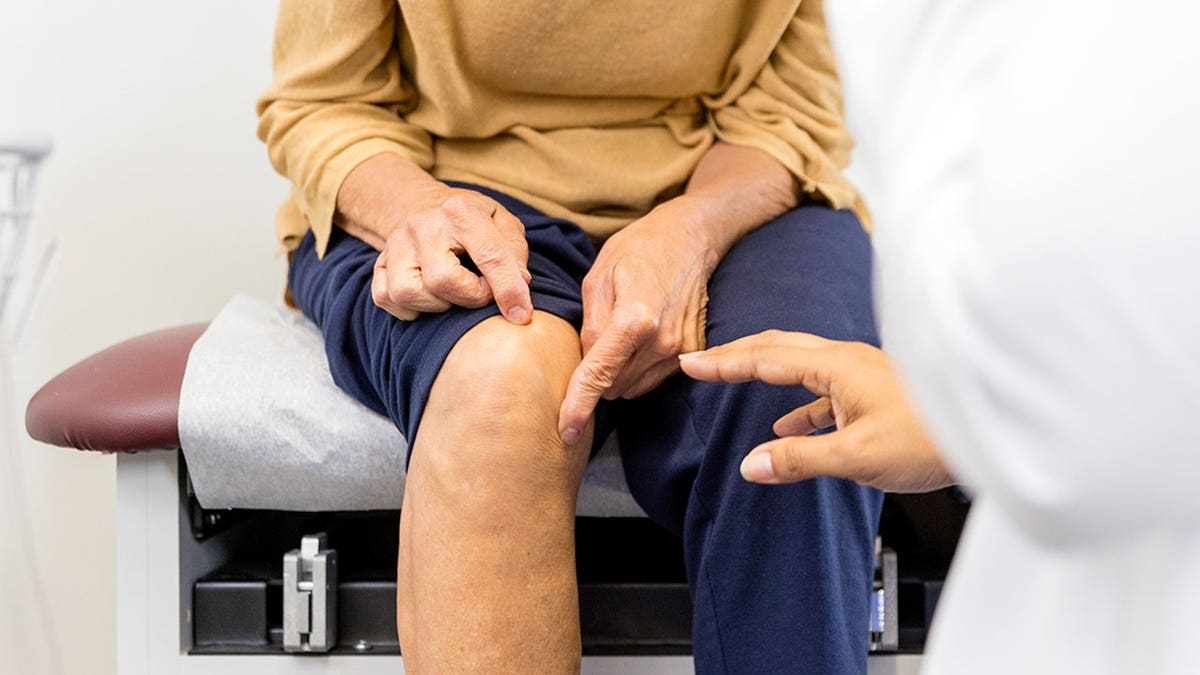
Up to 80% of knee osteoarthritis patients in a new study experienced clinically meaningful, long-term pain reduction lasting at least one full year. (iStock)
The procedure, known as genicular artery embolization (GAE), addresses this directly.
By temporarily clogging excess blood vessels, doctors can reduce inflammation and quiet pain-sensing nerves without major surgery or permanent implants.
Because the treatment uses microscopic gelatin particles that dissolve over time, it leaves no foreign material behind. If widely adopted, GAE could provide a repeatable, low-risk way for patients to stay active and preserve joint function longer, researchers say.
“We saw a significant drop in pain and a significant increase in function.”
“For many patients with knee osteoarthritis, there is a real treatment gap today,” said Florian Nima Fleckenstein, M.D., deputy head of Interventional Radiology Campus Mitte, Charité-Universitätsmedizin Berlin, in a press release.
“Our study demonstrates that GAE using rapidly resorbable gelatin-based microspheres is a safe, minimally invasive therapy that provides meaningful pain relief and functional improvement in participants with osteoarthritis-related knee symptoms for at least 12 months.”
ALZHEIMER’S RISK LINKED TO COMPOUND FOUND IN POPULAR JOINT HEALTH SUPPLEMENTS
During GAE, doctors use real-time X-ray guidance to steer a thin, flexible tube into the blood vessels surrounding the knee joint.
Then they release tiny, dissolvable gelatin particles into specific vessels to slow excess blood flow to the inflamed areas.
Unlike traditional joint implants, the microscopic gelatin particles dissolve naturally over time after calming local inflammation. (iStock)
Across 239 total procedures performed on 194 study participants, none experienced severe complications.
Only 6.7% reported mild side effects, such as brief skin discoloration or minor bruising, issues that resolved on their own.
CLICK HERE FOR MORE HEALTH STORIES
“In our cohort, we saw a significant drop in pain and a significant increase in function, including sports and recreation and daily activity,” Fleckenstein said.
“Most importantly, their quality of life significantly increased.”
CLICK HERE TO SIGN UP FOR OUR HEALTH NEWSLETTER
In addition to feeling less pain, participants experienced gains in daily mobility. Patients reported easier walking, climbing stairs and bending, while overall quality-of-life scores more than doubled over the 12-month follow-up period.
Limitations of study
While the results are promising, researchers note several important limitations.
First, the study did not include a control group receiving a mock or placebo procedure.
Because the study on knee pain lacked a placebo control group and tracked outcomes for only 12 months, larger randomized trials are needed to confirm the long-term duration and physiological impact of the new treatment. (iStock)
Without a comparison group, it is difficult to isolate the physical benefits of the dissolvable particles from potential placebo effects, the researchers said.
TEST YOURSELF WITH OUR LATEST LIFESTYLE QUIZ
Second, the study tracked patients for only one year.
Further research is needed to determine how long the pain relief typically lasts and how often repeat treatments might be required.
CLICK HERE TO DOWNLOAD THE FOX NEWS APP
Finally, while GAE effectively reduces inflammation and pain, the researchers said it is not a cure.
The procedure does not rebuild lost cartilage or reverse structural joint damage. Larger, randomized trials are currently underway to confirm these early findings.
Fox News Digital reached out to the study authors for further comment.