Panicking Putin makes dramatic move amid chronic fuel crisis – ‘in place until July 31’ | World | News
In many regions across the country, drivers are facing hours-long queues to refuel, with Deputy Prime Minister Alexander Novak admitting during a televised government meeting – chaired by Putin – that the situation remained complex and that “it is clear that the current situation at filling stations is causing concern among the public”. “Today, a ban on diesel fuel exports was introduced, and this will make it possible to increase supplies to the domestic market,” he said, adding that Russia would start importing fuel in July.
It comes as industry sources revealed last week that Russia had started importing gasoline from India in a desperate bid to meet demand. It was also reported that the government was in negotiations with other countries, including Kazakhstan, to purchase gasoline.
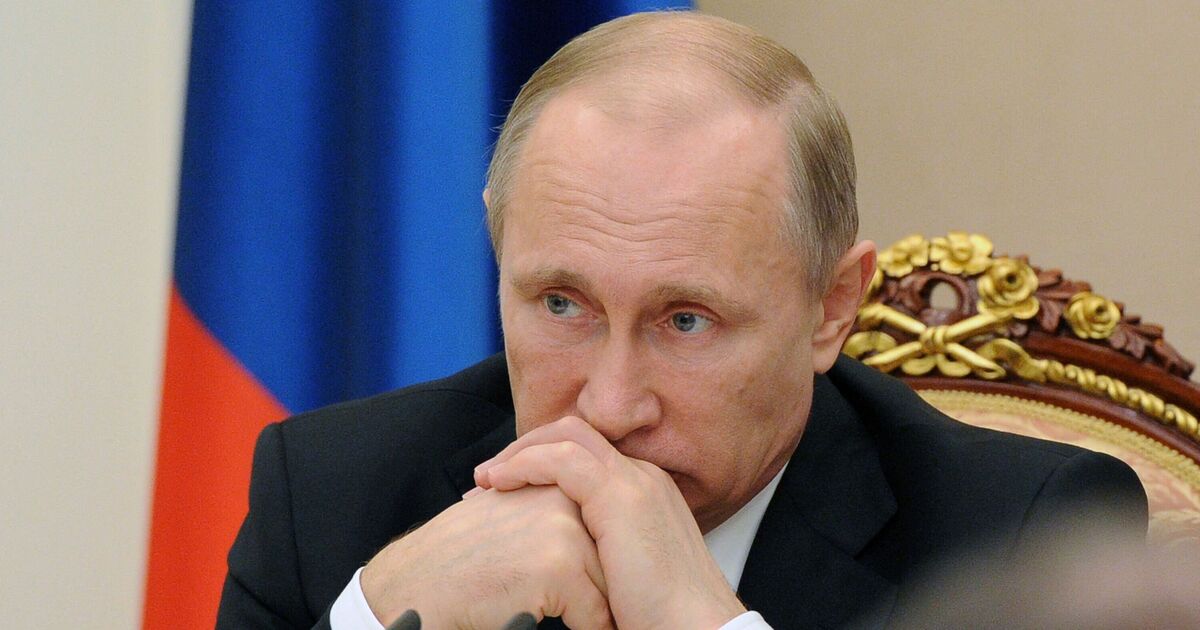
The government said the new ban on diesel exports, which includes fuel producers, will be in place until July 31. Supplies under pre-existing government agreements, such as a deal with Mongolia, will be exempt from the restrictions. Putin told the meeting that Ukraine was trying to damage Russia’s economy.
“But most importantly, it seeks to create a sense of anxiety in society. We all understand that this goal is unattainable. The resilience of Russia’s power system is very high – among the highest in the world,” the Russian leader added.
Ukraine has said its targeted attacks on Russian fuel facilities are designed to limit Russia’s ability to wage war on it and force Moscow to start peace talks.
Russia’s exports of seaborne diesel and gasoil had already plunged in June, collapsing by 39% from the previous month to around 1.8 million metric tons and falling 46% from 3.35 million tons in the same month a year ago. Putin himself estimated Russia’s total gasoline reserves at 1.7 million metric tons – a 4% decline from the same period last year.
“They [Russia] basically already had an export ban in all but name. June [exports] was down to 400,000 barrels per day, July on track to be even lower,” said one European trading source, according to independent news site, The Moscow Times.
Last week, Putin’s approval rating among his people plunged at its fastest single-week pace since the invasion of Ukraine in 2022, dropping from 70.4% to 66.9% between June 22 and June 28. His trust rating saw a notable decline – from 76.7% to just 73.3%.