RAC says ‘drivers should do two things’ in Friday petrol update

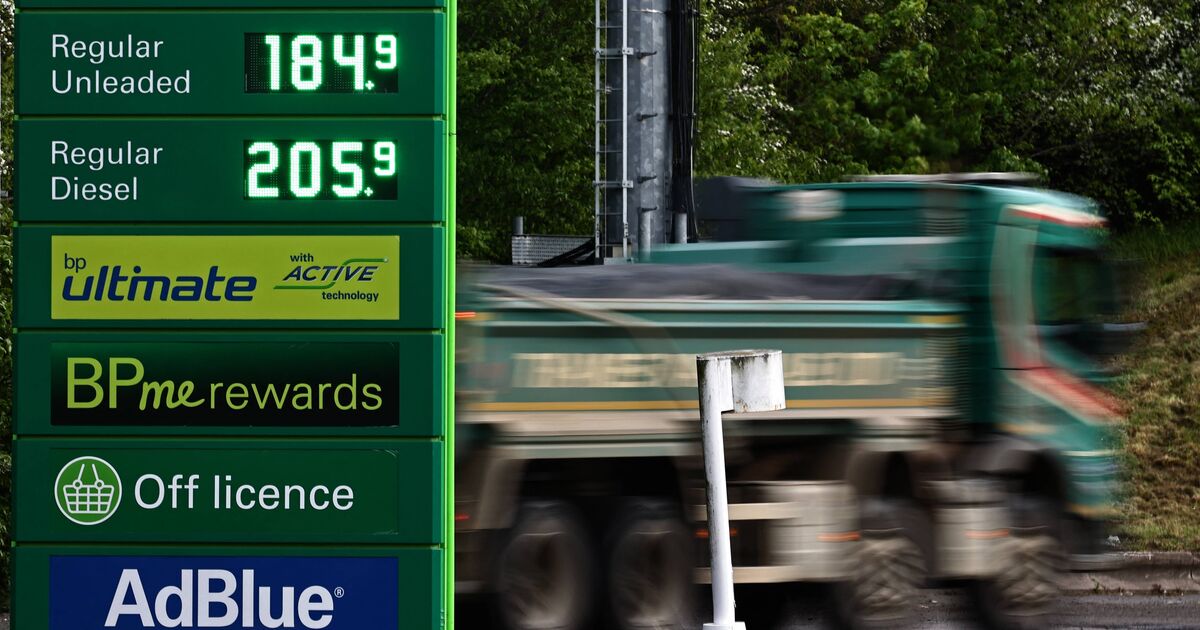
Fuel has topped £2 per litre in some areas (Image: HENRY NICHOLLS, AFP via Getty Images)
The RAC has issued a fresh warning on Friday, urging motorists to take two key steps before filling up with petrol or diesel.
The motoring organisation provided its latest update on fuel prices as the working week drew to a close. It revealed that petrol had climbed by an average of 0.6p per litre over the previous seven days, reaching an average of 157.6p – its highest point since April 20 and just 1p below its peak since the Iran conflict caused oil prices to surge.
Diesel, by contrast, continues to decline. The average price on Friday stood at 188p per litre, approximately 3.5p below its post-war high.
The situation involving the US, Israel and Iran remains precarious and unpredictable. A fragile ceasefire is understood to still be holding despite exchanges of fire over the last 24 hours.
Hostilities have erupted in the Strait of Hormuz, which has been at the centre of soaring oil prices that have, in turn, left British drivers confronting substantial increases in forecourt costs since tensions escalated at the end of February. Petrol has surged by more than 20p per litre and diesel by around 50p.

Drivers have been hit hard (Image: Carl Court, Getty Images)
Read more: HMRC £29,000 tax-free allowances ‘available to people born in these years’
Read more: 5 Ford, Audi and Peugeot used cars ‘selling up to £1,274 above value’
Approximately 20% of the world’s oil passes through the Iran-controlled strait, with minimal volumes having done so over the past two months or longer. The resulting impact has sent shockwaves rippling through the global economy.
RAC senior policy officer Rod Dennis said: “Petrol prices have risen by 0.6p in the last week to an average of 157.6p, their highest level since 20 April and less than 1p off the peak since the war in Iran began. The situation for drivers of diesel vehicles is a little better, with prices still falling – albeit very slowly – to 188p, around 3.5p off the highest price last month of 191.5p.
“The oil price has remained very volatile this week, but what we can be sure of is that only a sustained lower oil price, over a matter of weeks and not just days, will be enough to guarantee drivers pay less when they fill up. We strongly recommend drivers shop around for fuel and make use of free tools such as the myRAC app to never pay a penny more for fuel than they need to.”

President Donald Trump (Image: Roberto Schmidt, Getty Images)
US President Donald Trump downplayed the exchange of fire on Thursday, calling the US strikes a “love tap” in a phone call with ABC. However, he repeated warnings that full-scale bombardment could resume if Iran refuses to accept an agreement to reopen the strait and scale back its nuclear programme.
Iran’s Foreign Ministry denounced the US strikes as a “clear violation” of the ceasefire. Tehran had earlier indicated it was reviewing the latest American proposals for ending the conflict, which were delivered through Pakistan, the mediating nation. The US military announced it had intercepted Iranian attacks on three naval vessels in the Strait of Hormuz late on Thursday and had “targeted Iranian military facilities responsible for attacking US forces”. It confirmed that none of its ships sustained damage.
Iranian state media reported that the country’s forces had exchanged fire with “the enemy” on Qeshm Island within the strait. It further reported loud explosions and sustained defensive fire in western Tehran during the late hours of Thursday.
Iran’s Foreign Ministry released a statement roundly condemning what it described as “hostile” US military action targeting two Iranian oil tankers near the Iranian port of Jask and the strait, alongside strikes on neighbouring coastal areas.