Rachel Reeves issued triple lock warning as IMF weighs in | Personal Finance | Finance

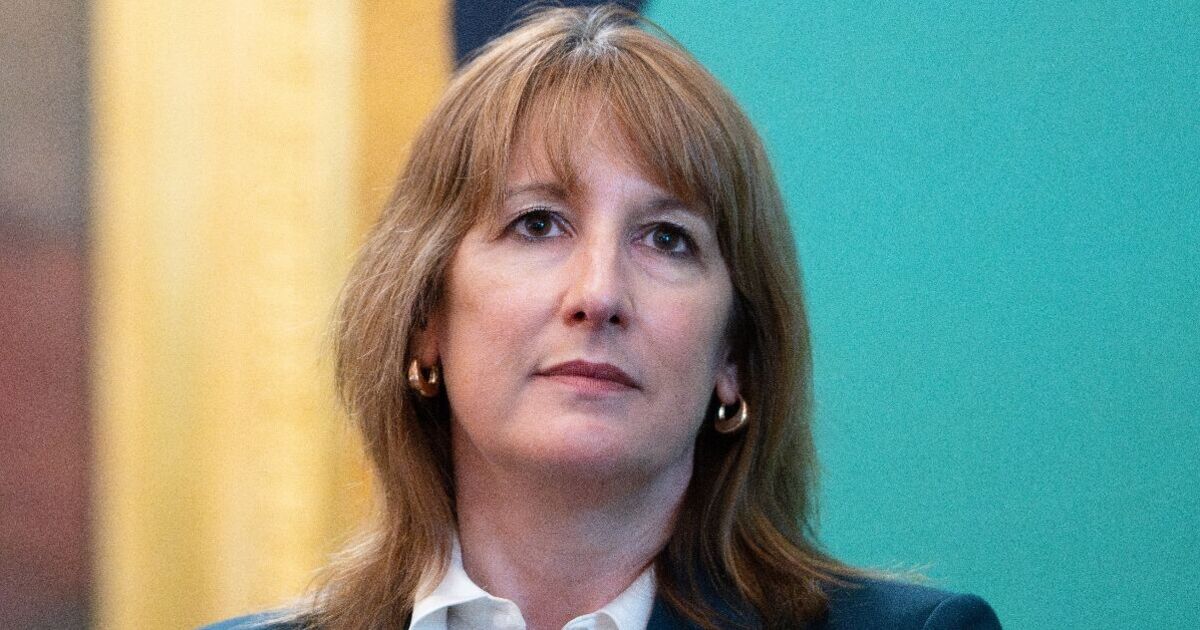
The IMF is urging Rachel Reeves to consider replacing the triple lock (Image: Getty)
Chancellor Rachel Reeves has been urged to drop the triple lock pension guarantee by the International Monetary Fund (IMF). In its latest report on the state of the UK economy, the organisation says Britain needs to make “difficult” choices to rein in public spending against a backdrop of revenue-raising challenges.
It urges restraints on long term government spending, suggesting reforms could involve replacing the triple lock with a State Pension linked to the cost-of-living instead. The triple lock is a Government guarantee the State Pension increases each April by the highest out of three measures: growth in average earnings, inflation, or 2.5%.
READ MORE: Abandoned UK shopping village left to rot after all 40 stores close down
READ MORE: HMRC confirms £17 extra tax charges for state pensioners every month
The IMF recommends other measures in its Article IV report to address pressures on spending from an ageing population, defence and the climate crisis.
These include charging more people to use the NHS, increasing a focus on preventative care and targeting benefits in a better way.
It says in a statement: “A transparent public debate would facilitate a better understanding of the trade-offs, clarify policy priorities, and support durable reforms”.
Public spending could rise by some 6% of UK GDP by 2050, driven by Britain’s ageing population, defence and net zero, according to the organisation.
The long term sustainability of the triple lock has been raised as a concern before, with critics arguing it rewards older people at the expense of younger generations in future.
Others say the policy is improving retirement incomes for pensioners, particularly those on lower incomes.
The Government has pledged to maintain the triple lock for the rest of the current Parliament.
Besides taking aim at the triple lock, the IMF updated its UK growth projections in its report – a month after warning of a sharp slowdown caused by the global energy shock.
UK gross domestic product (GDP) is now forecast by the IMF to rise by 1% in 2026, up from the 0.8% it was forecasting in April.
Official figures showed Britain’s economy grew by 0.6% in the first quarter of this year, higher than economists were expecting and the strongest growth in a year.
However, the data showed signs of so-called “front loading” in March, which suggests businesses and consumers were bringing forward activity ahead of expected shortages in supply or price increases.
The IMF said the UK had been resilient in recent years, but that the war in the Middle East is dampening near-term prospects.
It is projecting inflation to rise to peak at just below 4% at the end of 2026 before easing back in the second half of 2027 to fall to the 2% target level by the end of the year.
Interest rates are expected to be held at their current level, 3.75%, for the rest of the year, under the current outlook for energy prices.
This differs to some economists who are predicting an interest rate hike this year as they think the Bank of England will want to act to keep inflation under control.
But the IMF urged the Bank to be flexible and “prepared to respond forcefully” if higher energy prices had a bigger impact on inflation than expected.