Reeves 3p pay-per-mile update as ‘rules keep changing’ | Personal Finance | Finance

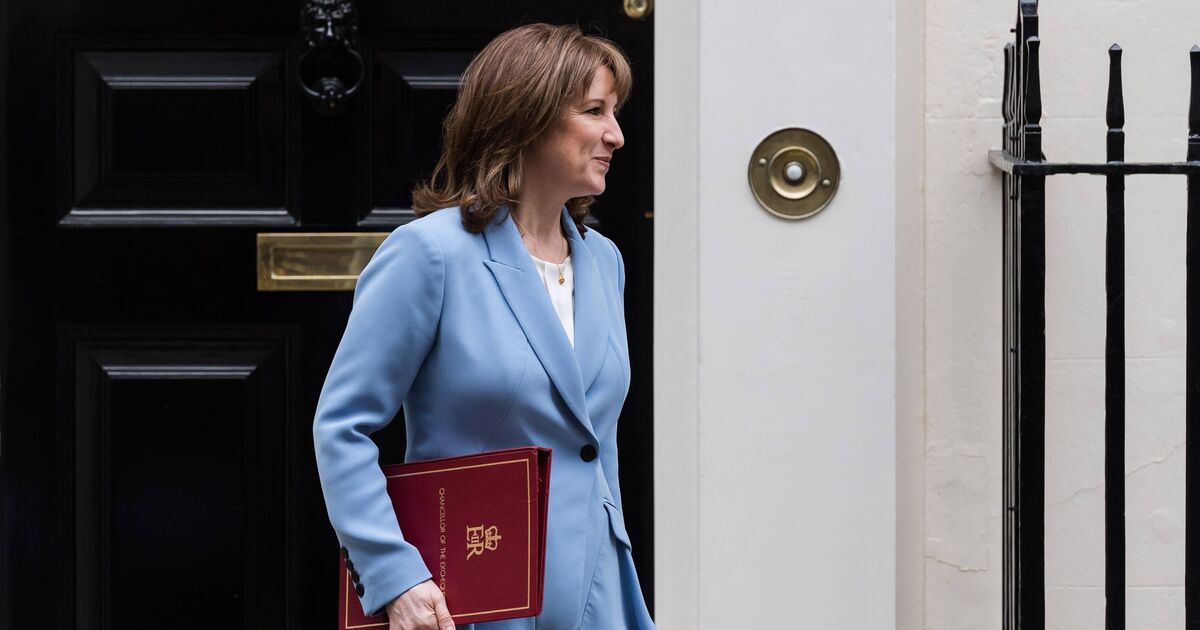
Chancellor of the Exchequer Rachel Reeves (Image: Wiktor Szymanowicz/Future Publishing via Getty Images)
An expert has warned that Rachel Reeves’ introduction of a pay-per-mile tax for electric vehicles could derail net zero ambitions. During November’s Budget, the Chancellor announced that from April 2028, drivers of battery electric vehicles would face a charge of 3p per mile for electric Vehicle Excise Duty.
The measure was introduced in response to a considerable drop in fuel duty revenue as increasing numbers of motorists switch from petrol or diesel vehicles to EVs. The Chancellor said that the funds raised would contribute towards road maintenance.
The Chancellor told the Commons at the time: “I will ensure that drivers are taxed according to how much they drive and not just the type of car they own by introducing electric vehicle excise duty on electric cars. This will be payable each year alongside vehicle excise duty at 3p per mile for electric cars and 1.5p for plug-in hybrids, helping us to double road maintenance funding in England over the course of this Parliament.”
Ms Reeves also confirmed that £200 million would be allocated towards the expansion of EV charging infrastructure, while the threshold for the expensive car supplement on EVs would rise to £50,000 — a move she said would save more than one million motorists £440 annually.
However, John Wilmot, founder and CEO of car lease deal comparison site LeaseLoco.com, has now voiced his concern that the initiative will discourage people from transitioning to electric vehicles, hampering the government’s net-zero targets. He referenced recent data from YouGov, which he stated demonstrated that 55% of new car buyers were still considering a petrol engine compared to just 37% seeking electric.

Drivers appear to be on the fence (Image: Jacob King/PA)
Read more: UK bank account offers ‘fantastic’ 4% cashback on bills
Read more: Suzuki Vitara hits 436,500 miles on original engine and gearbox
John noted that electric vehicle drivers had already encountered rising costs over recent years, including higher insurance premiums, the introduction of Vehicle Excise Duty (VED) road tax and an increase in home charging expenses.
While the change isn’t anticipated to be implemented until 2028, John said he remained worried that this could put drivers off switching to electric vehicles, as the transition no longer comes with as many advantages as it previously did.
He said: “One of the massive benefits to driving an electric vehicle was that it was far cheaper to run than a petrol or diesel car, but a pay-per-mile tax risks eliminating that advantage, which could make drivers think twice about switching any time soon. It’s almost sending mixed messages.
“We want people to switch to electric cars, but they’re dealing with limited charging infrastructure and other rising costs, which can leave them questioning whether it’s even worth it. A pay-per-mile tax could, unfortunately, slow down the progress of the government’s net-zero goals.
“Lower running costs were a huge part of the incentive for going electric. Taking that away risks stalling the momentum we have built by giving people confidence in electric vehicles.
“As a leasing company, we’ve been seeing more drivers express their interests in electric options than ever before, but there’s no doubt that this could make people hesitate.
“Understandably, drivers want clarity before committing to making the switch to electric and it’s hard to have confidence when the rules and the costs keep changing.”