Reeves reacts after IMF revises UK growth over Iran war | Personal Finance | Finance

The UK’s economic output is expected to slow due to the war with Iran (Image: Getty)
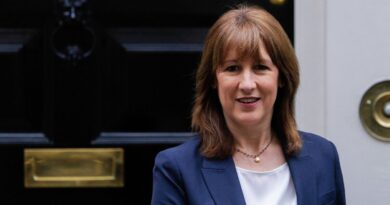
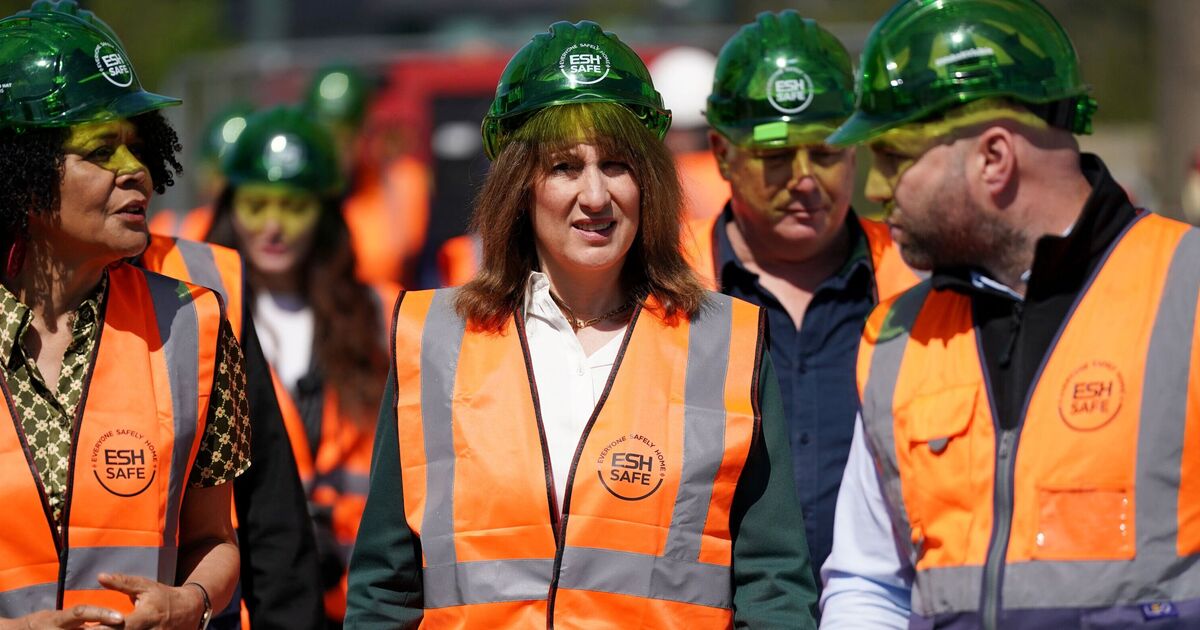
Rachel Reeves has spoken out after the International Monetary Fund (IMF) updated its growth projections for the UK. Growth in the UK economy will be stronger this year than previously thought but the Iran war continues to dampen the outlook, it said.
The cost of living is also set to rise and borrowing costs will be kept on hold, according to the new forecasts. updated its growth projections a month after warning of a sharp slowdown caused by the global energy shock.
The influential financial body said it was now predicting UK gross domestic product (GDP) to rise by 1% in 2026. This is higher than the 0.8% growth it was forecasting last month. However, the forecast remains lower than it was before the US-Israeli conflict with Iran which has contributed to the IMF downgrading its expectations for the UK.
As recently as January, it had predicted 1.3% growth in 2026 and 1.5% in 2027. The latest update from the IMF comes after official figures showed the UK economy grew by 0.6% in the first quarter of 2026, higher than economists were expecting and the strongest growth in a year.
However, the data showed signs of so-called “front loading” in March, suggesting that businesses and consumers were bringing forward activity ahead of expected shortages in supply or price increases.
Economists warned the pace of growth is set to stall throughout the year as the impact of the Iran war begins to show. The IMF said the UK had been “resilient in recent years” but that the “war in the Middle East is dampening near-term prospects”.
It is projecting inflation to rise to peak at just below 4% at the end of 2026 before easing back in the second half of 2027 to fall to the 2% target level by the end of the year. Interest rates are expected to be held at their current level, 3.75%, for the rest of the year, under the current outlook for energy prices.
This differs to some economists who are predicting an interest rate hike this year as they think the Bank of England will want to act to keep inflation under control. But the IMF urged the Bank to be flexible and “prepared to respond forcefully” if higher energy prices had a bigger impact on inflation than expected.
“Once the energy price shock dissipates, growth should recover in the second half of 2027,” the IMF said on Monday. But it added that the main risk to its forecasts was a “prolonged war in the Middle East, resulting in higher energy and food prices for an extended period, and sustained global market volatility, which would weigh on confidence and hurt economic activity”.
Responding to the latest report, the Chancellor of the Exchequer said: “The IMF upgrading its growth forecasts and backing our fiscal strategy is yet more proof that this Government has the right economic plan.
“The choices I have made as Chancellor mean our economy is in a stronger position as we deal with the costs of the war in Iran.
“Putting our stability at risk when signs of progress are emerging would leave families and businesses worse off.
“Instead, this Government is getting on with the job of building an economy that is stronger, more resilient, and prepared for the future.”
Ms Reeves’ renewed calls to maintain economic stability come after a week of turbulence for Sir Keir Starmer, who continues to defend his leadership against challenges from within the Labour Party. The IMF did not refer specifically to the political strife in its assessment of the UK, but warned that “domestic uncertainty could also add to the already volatile global environment, holding back consumption and investment decisions”.
Meanwhile, the organisation welcomed the Government’s response to the energy shock, including support for low-income households using heating oil, and said that any future measures should be “well targeted” to those who need it and temporary.
It also said the plan to reduce government borrowing over the medium term “continues to strike a good balance” between reducing the deficit and spending for growth.
But it suggested: “On the spending side, the focus should continue to be on controlling the rising welfare bill, as well as delivering further efficiency measures in public services, while protecting the most vulnerable.”