The 1 crucial step Brits should take now before State Pension age changes | Personal Finance | Finance

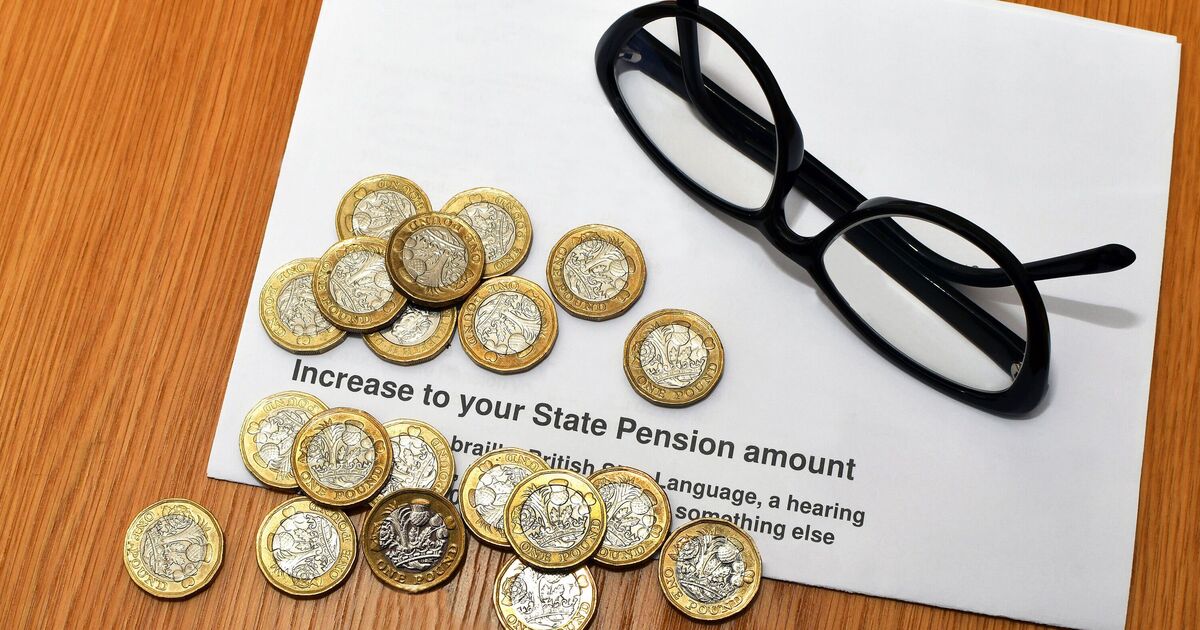
The State Pension age is set to rise to 67 by April 2028 (Image: Getty)
Brits are being urged to take one vital step to safeguard their financial future amid looming changes to the State Pension age which are sparking widespread concern. With the State Pension age currently undergoing a phased transition from 66 to 67 by April 2028, millions of workers are facing growing uncertainty about when they will actually receive their Government retirement cash.
However, experts have warned that relying solely on the state to fund your later years is a dangerous strategy – and that a total mindset shift is required right now. According to Helen McGinty, Head of Financial Advice Distribution at Skipton Building Society, the most crucial step Brits can take today is to decouple their personal retirement plans from Government timelines entirely. “Uncertainty around the State Pension age is understandably a concern for many people, but it’s important not to let that derail your longer-term retirement plans,” Ms McGinty told the Express. “In fact, it’s worth asking a more fundamental question: does your retirement need to depend on the State Pension age at all?”

The phased retirement trend is becoming increasingly popular (Image: Getty)
Re-thinking the ‘Fixed’ Retirement Date
Rather than stressing over shifting Government dates, savers are being urged to look inward and audit what they already have.
Ms McGinty said: “Rather than focusing solely on when the State Pension may begin, people should start by thinking about what they want their retirement to look like. From there, it becomes about understanding the income needed to support that lifestyle and comparing it with what has already been built through pensions, savings, investments and other assets. In many cases, this can highlight that retirement may be more within an individual’s control than they realise.”
For generations, retirement was viewed as a hard stop – a specific birthday where you put down your tools for good. But as state support is pushed further down the road, a new trend is emerging, the so-called phased retirement. Breaking your exit from the workforce into gradual stages could bridge the financial gap, ensuring you do not have to wait around for the Department for Work and Pensions (DWP) to pay out.
“It’s also worth considering how you might transition into retirement rather than viewing it as a fixed end point tied to State Pension age,” explained Ms McGinty. “More people are choosing to phase their retirement, continuing some form of work on a reduced or more flexible basis.
“This can provide additional income, help bridge any gaps and give you greater control if retirement timelines shift meaning that even with modest retirement savings, there may be an option there.”

Skipton’s Helen McGinty is urging Brits to audit their current wealth by tracking down what they’ve built up (Image: Skipton Building Society)
Make Your Money Work Harder
To wrestle back control of your financial future, you must take practical steps to audit and maximise your current wealth. Shockingly, millions of Britons have no idea what they are actually contributing to their retirement funds each month, or where that money is being held. To avoid a nasty shock down the line, savers should actively review their current pots and ensure they are structured efficiently.
To regain control of your future, you must first audit your current wealth by tracking down exactly what you have built up across old workplace pensions, private schemes and personal savings. Once you have a clear picture, you need to maximise your financial efficiency. This means exploring whether your existing pots are working as hard as possible for you and confirming they will deliver a sustainable, lasting income.
Next, you should actively utilise valuable tax breaks by reviewing your pension, investment and savings contributions. Ensuring your money is growing in the most tax-efficient way possible will make a monumental difference to your final balance over time. Finally, it is vital to establish a regular review habit through consistent financial check-ins. This routine ensures you can adapt early to policy shifts and easily determine how best to deploy any spare cash toward your goals.
“Given that many people also don’t know how much they’re contributing every month into pensions or whether they’re on track, by checking in more regularly this allows you to make adjustments early and if you are able to put more towards your retirement, how best to do this,” Ms McGinty advised.

The State Pension age is set to rise again between 2044 and 2046 (Image: Getty)
Preparing for Future Shocks
With life expectancy trends and Government fiscal policy constantly moving the goalposts, the retirement landscape of tomorrow will likely look very different from today’s. The pension age is set to rise from 66 to 67 by April 2028, with the change introduced gradually for people born between April 6, 1960, and March 5, 1961. Then, a rise from 67 to 68 is legally scheduled to occur between 2044 and 2046, affecting anyone born on or after April 6, 1977.
“The reality is that retirement timelines could change in years to come, so building flexibility into your approach together with regular reviews this has never been more important,” Ms McGinty warned.
“Everyone’s answer will be different, but taking a forward-looking and flexible approach can help avoid unwanted surprises later on and put you in a much stronger position to weather any changes.
“For those wanting to feel more confident about their retirement plans, Skipton Building Society offers guidance and tools to review your pension and plan for a more flexible retirement,” the expert added.