What happens if World Cup groups and teams finish tied on points? | Football | Sport

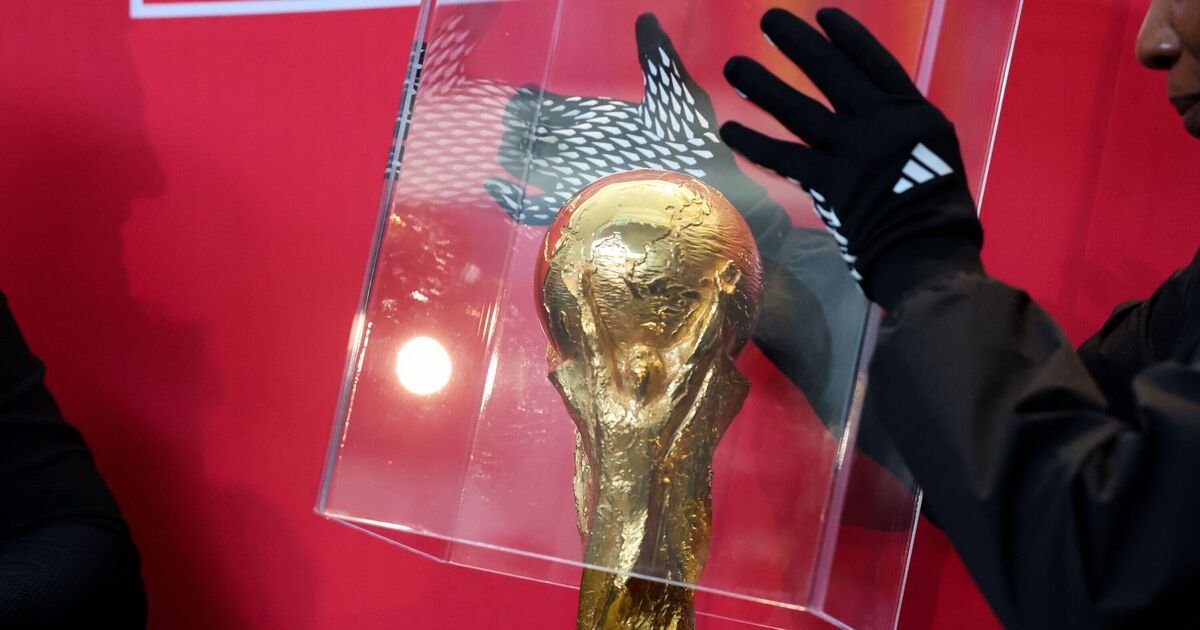
The World Cup will be decided in the next few weeks. (Image: Getty)
Everything you need to know about the World Cup tiebreakers
-
The Current Situation: A high number of opening-match draws has left several World Cup teams locked on a single point. This has sparked widespread questions about how the group standings will be settled ahead of the knockout rounds.
-
A Shift in the Rules: For the first time since 1970, overall goal difference is no longer the main decider for tied teams. Instead, head-to-head records have taken over as the primary tiebreaker.
-
When Head-to-Head is a Draw: If the tied teams drew against each other, the criteria reverts back to overall group goal difference. If they are still deadlocked, total goals scored becomes the next deciding factor.
-
Deep Tiebreaker Scenarios: If on-field scoring metrics can’t separate the teams, discipline and pre-tournament status settle it. The team with the superior fair play record (fewer yellow/red cards) moves on. If discipline is identical, the team with the higher pre-tournament FIFA World Ranking advances.
-
The Third-Place Equation: With the tournament expanded to 12 groups of four, the eight best third-place teams will qualify for the Round of 32. Because these teams didn’t play each other, they are compared via a wildcard table where head-to-head records are impossible to use.
-
Ranking the Third-Place Finishers: To determine which third-place teams advance, they are ranked using a specific hierarchy: total group points, overall goal difference, total goals scored, fair play record, and lastly, their FIFA World Ranking.