What we know about the 2026 Ebola outbreak as first American tests positive
The Ebola outbreak in the Democratic Republic of Congo has grown to nearly 500 suspected cases and 116 deaths, the United Nations said Monday.
Subscribe to read this story ad-free
Get unlimited access to ad-free articles and exclusive content.

Among the cases is an American who contracted the virus while working in the DRC and will be taken to Germany for treatment, the Centers for Disease Control and Prevention said Monday. Six other Americans will also be sent to Germany for observation. None are scheduled to be sent back to the U.S.
On Sunday, the World Health Organization declared the outbreak, which has spread into Uganda, a public health emergency of international concern.
The outbreak is being driven by a type of Ebola called Bundibugyo. Here’s what to know.
What is Bundibugyo, the species of Ebola in the outbreak?
There are four species of the Ebolavirus that are known to cause disease in humans, according to the CDC. Bundibugyo is one of the less common types. This is just the third time Bundibugyo has been implicated in a known outbreak.
Bundibugyo was discovered less than 20 years ago in western Uganda. Experts believe that fruit bats are the likely carriers of the virus.
How does Bundibugyo spread?
Like other types of Ebola that spread among humans, the Bundibugyo virus spreads easily through blood and other bodily fluids, as well as contaminated surfaces.
Handling dead bodies is also a known risk for spread of the virus.

What are the symptoms of the Bundibugyo Ebolavirus?
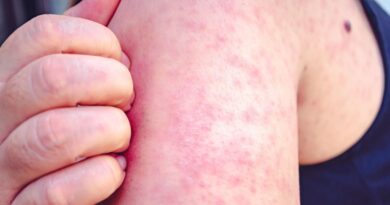
Like other types of Ebola, the virus causes hemorrhagic fever.
The early symptoms are like most viruses: fever, headache, sore throat, fatigue and achy muscles.
As the virus sets in, people also experience massive stomach issues, including vomiting and diarrhea. Hemorrhagic fever occurs as the virus affects the body’s blood vessels, damaging vital organs.
The incubation period for the virus is up to 21 days, according to WHO.
How deadly is the Bundibugyo virus?
Dr. Geeta Sood, a hospital epidemiologist at Johns Hopkins Bayview Medical Center, said the Bundibugyo virus has a mortality rate of around 25% to 40%, lower than other types of Ebola, which average around 50% to 60%.
The mortality rate for the Zaire type, the most common species of Ebola, is 60% to 90%, according to a 2015 study.
Are Americans at risk for Ebola?
There are no cases in the U.S. and the threat to the U.S. “remains low,” Dr. Satish Pillai, head of CDC’s Ebola response, said Monday during a media briefing.
The last time Americans were directly involved with Ebola was in 2014, when an outbreak ravaged parts of West Africa. That outbreak was caused by the Zaire type of Ebola.
The outbreak lasted for two years, infecting at least 28,600 people and killing at least 11,325. The vast majority of cases were in Guinea, Liberia and Sierra Leone. Cases also stretched into Italy, Mali, Nigeria, Senegal, Spain, the United Kingdom and the United States.
The first American diagnosed in that outbreak, Dr. Kent Brantly, was evacuated to Emory University Hospital in Atlanta in August 2014 for treatment. Brantly had been working with the medical mission Samaritan’s Purse treating Ebola patients in Liberia when he contracted the virus. Brantly later recovered.
Ten other Ebola patients were treated in the U.S. in 2014. Like Brantly, most were evacuated from Africa. Two patients died.
Are there any treatments or vaccines for Bundibugyo?
There are currently no approved vaccines or treatments for the Bundibugyo virus.
The only two approved vaccines for Ebola — from Johnson & Johnson and Merck — target the Zaire type, the most lethal Ebola strain, which is responsible for the majority of outbreaks in Central and West Africa.
Sood, of Johns Hopkins Bayview Medical Center, said animal studies show those vaccines don’t provide good protection against Bundibugyo.
Dr. Paul Offit, director of the Children’s Hospital of Philadelphia’s Vaccine Education Center, said there appears to be a handful of experimental vaccines for the Bundibugyo virus in early development across the globe, but none have reached human trials.
That includes an mRNA-based vaccine in China designed to target three strains, including the Bundibugyo virus, according to a study published Monday in the journal Proceedings of the National Academy of Sciences. That vaccine is still in the pre-clinical stage and has not been studied in humans.
It will likely take years, however, before any vaccine is ready for human testing, Sood said.
Pillai, of the CDC, said the agency is also looking into potential treatments, including working with other agencies in the Health Department to develop a monoclonal antibody, a type of lab-made protein designed to mimic the body’s immune response.
Because there are no treatments, supportive care will be very important for anyone who becomes infected with the virus, Sood said.
“There is a lot we can do in terms of supporting somebody for severe illness,” she said. “Making sure they’re hydrated, checking their blood pressure, that if they are having problems or dysfunction with the heart and lungs, that there are professionals and equipment around that we would use to support the person.”