Reason F1 don’t race at Nurburgring as Max Verstappen takes to track | F1 | Sport

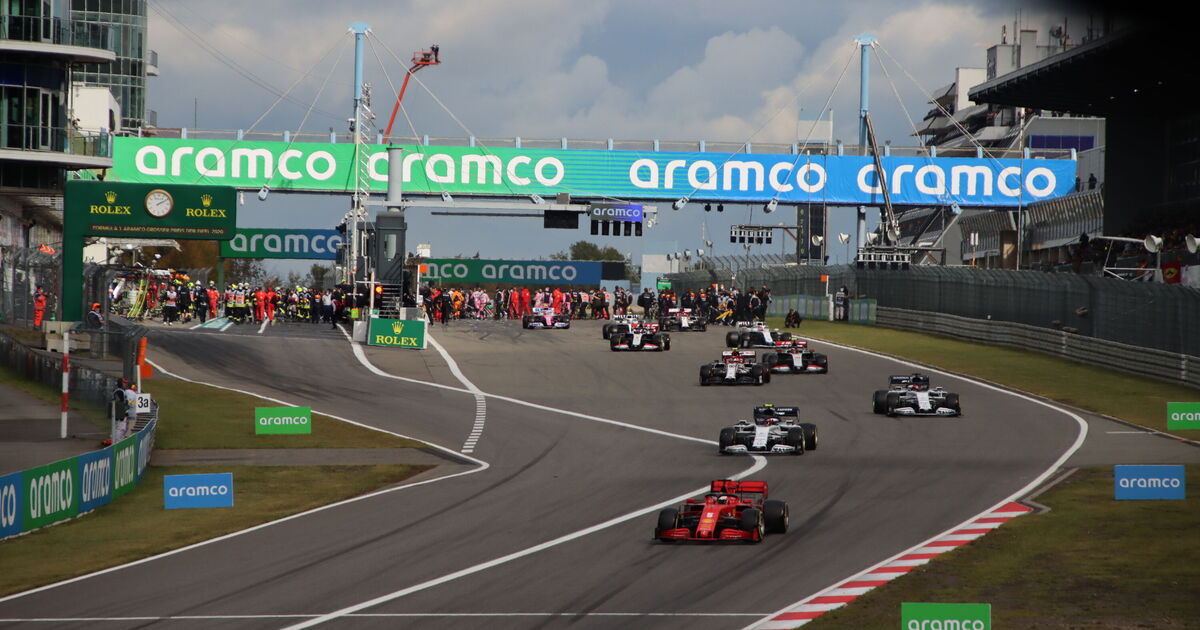
The Nurburgring hasn’t hosted a Formula 1 race since the one-off Eifel GP in 2020 (Image: Getty)
Everything you need to know about F1’s Nurburgring hiatus
-
Revenue disparity: Under the current Formula One Management (FOM) model, the Nurburgring is prohibited from collecting revenue from lucrative streams like television rights, trackside advertising, or corporate hospitality. This leaves the circuit entirely dependent on ticket sales, which are rarely sufficient to cover the massive overhead costs.
-
Exorbitant hosting fees: Formula 1 currently demands annual hosting fees that typically range between £15million and £37m just for the right to hold the event. Without significant outside investment, a traditional circuit like the Nurburgring cannot bridge the gap between these fees and their actual gate receipts.
-
Annual escalator clauses: Most F1 contracts include ‘escalator clauses’ that increase the hosting fee by approximately 5 per cent to 10 per cent every year.This compounding cost makes long-term sustainability impossible for a venue that doesn’t have a guaranteed, increasing source of income.
-
Lack of government subsidies: Unlike newer races in the Middle East or Asia, the German government does not provide the state-level financial backing required to ‘buy’ a spot on the calendar. European venues are often expected to be self-sustaining, which is a disadvantage when competing against state-funded projects like Qatar or Saudi Arabia.
-
High operational overhead: Beyond the hosting fee, the circuit must shell out an additional £7.5m and £15m for race-day operations, including security, staffing and temporary infrastructure. These costs eat into the thin margins provided by general admission tickets and local concessions.
-
The 2012 bankruptcy shadow: The circuit’s filing for insolvency in 2012 created a long-term financial instability that still dictates their conservative approach to high-risk contracts. Current management is understandably hesitant to gamble the track’s future on a single weekend that historically yields a net loss.
-
Failure of the alternating model: The previous strategy of alternating the German GP between the Nurburgring and Hockenheimring failed because it prevented both tracks from building consistent year-over-year commercial momentum. When one track struggled, the other was often unable or unwilling to step in and absorb the financial risk, leading to the eventual total disappearance of the race.
-
Shift toward ‘destination’ races: Liberty Media has pivoted toward self-promoted ‘street spectacles’ like Las Vegas, where they control the entire economic ecosystem and keep 100 per cent of the profits. This model devalues traditional permanent circuits that lack the glitz of a city-centre backdrop and the high-end luxury infrastructure F1 now prioritises.
- READ MORE: Max Verstappen helps make history but F1 fans left disappointed by series’ announcement