What the Fed’s interest rate hike reveals about Warsh, Trump and inflation
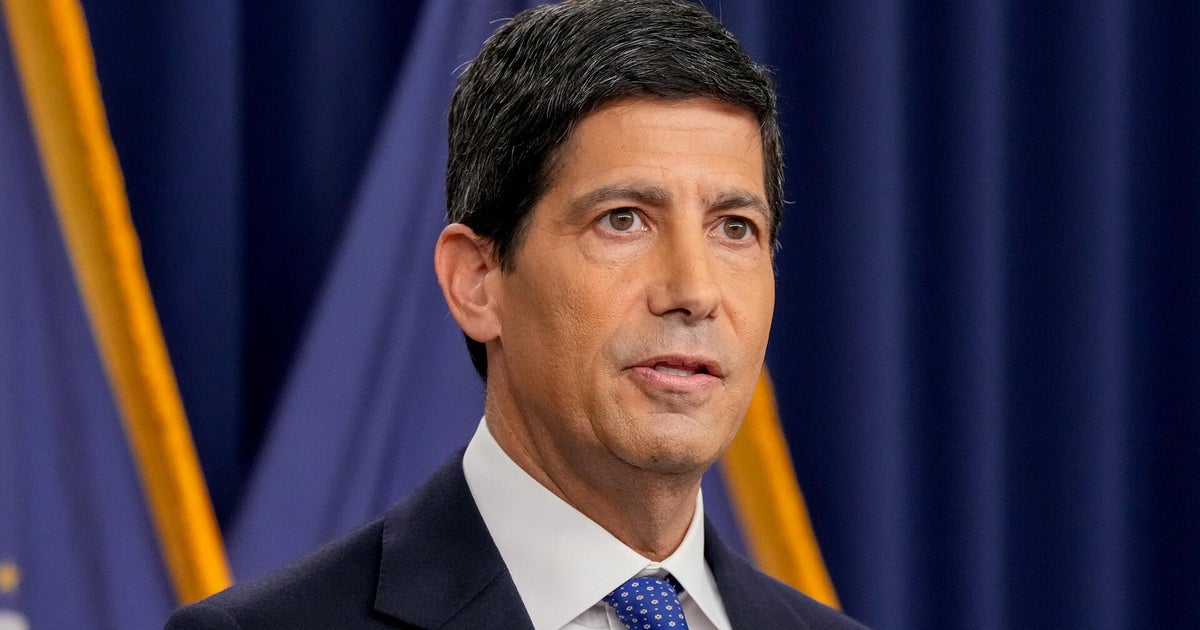
The Federal Reserve did what investors expected on Wednesday by raising interest rates for the first time in three years. Then Chairman Kevin Warsh delivered a surprise — a decidedly hawkish message that opened the door to additional rate hikes as the central bank looks to snuff out stubbornly high inflation.
The Fed on Wednesday delivered a widely anticipated quarter-point interest rate hike, a modest increase that will make credit cards and other loans incrementally more expensive. Yet stocks tumbled, with the Dow Jones Industrial Average shedding 631 points, or 1.2%.
What unsettled investors was the gap between the Fed’s economic forecasts and Warsh’s remarks. Policymakers projected one additional hike in 2026 and none in 2027, but Warsh signaled a willingness to further raise rates if that’s what is required to finally bring inflation under control.
“In this press conference, Warsh revealed his true inner hawk and a willingness to lead in that direction,” Tim Duy, chief U.S. economist at SGH Macro Advisors, told clients in a research note.
Here are three key takeaways from the Fed meeting.
Warsh is determined to tame inflation
Warsh, who was named by President Trump to succeed longtime Fed Chair Jerome Powell earlier this year, has previously vowed to tackle inflation. But economists had been unsure of his commitment to that goal, given that he had also echoed some of Mr. Trump’s views that the economy could benefit from lower interest rates.
What changed? Between the time Warsh was nominated in January and this week’s Fed meeting, inflation has sharply accelerated, driven largely by the Iran war‘s impact on global oil prices.
In January, consumer prices were rising at an annual rate of 2.4%, within touching distance of the Fed’s 2% target. But soaring crude prices have reversed that progress, sending the Consumer Price Index to a three-year high of 4.2% in May. While inflation has eased slightly since then, dipping to 3.4% in August, it’s still far higher than Fed officials like.
“The plain fact is that inflation is too high, and has been for too long,” Warsh said in a press conference after the Fed announced the rate hike on Wednesday, stressing that the Fed wants to take a “timelier” approach to curb price increases.
Those comments were interpreted as pointing to “higher rates for longer,” Jaison Davis, economic research analyst at GlobalData, said in a report. “The bar for easing [rates] is now much higher, and it rests on clear evidence that inflation is heading back to target.”
The Iran war is complicating life for the Fed
Warsh pointed to the impact of the war in Iran as one reason Fed officials were unanimous on the need to hike interest rates. The conflict, which has no end in sight, has severely reduced the flow of oil out of the Persian Gulf, while an escalation in fighting between Saudi Arabia and the Iran-backed Houthis in Yemen threatens another vital waterway.
Crude oil prices have jumped above $100 a barrel in recent weeks. The price increase has pushed fuel costs higher for Americans, who paid a record-high $6.40 per gallon for diesel on Thursday, a 73% jump from a year ago. Gasoline reached $4.44 a gallon, 38% higher than a year earlier, according to AAA data.
“There’s no hiding from hot spots around the world, and our judgment about what is the most likely or least likely of the geopolitical situation has changed,” Warsh said during the news conference.
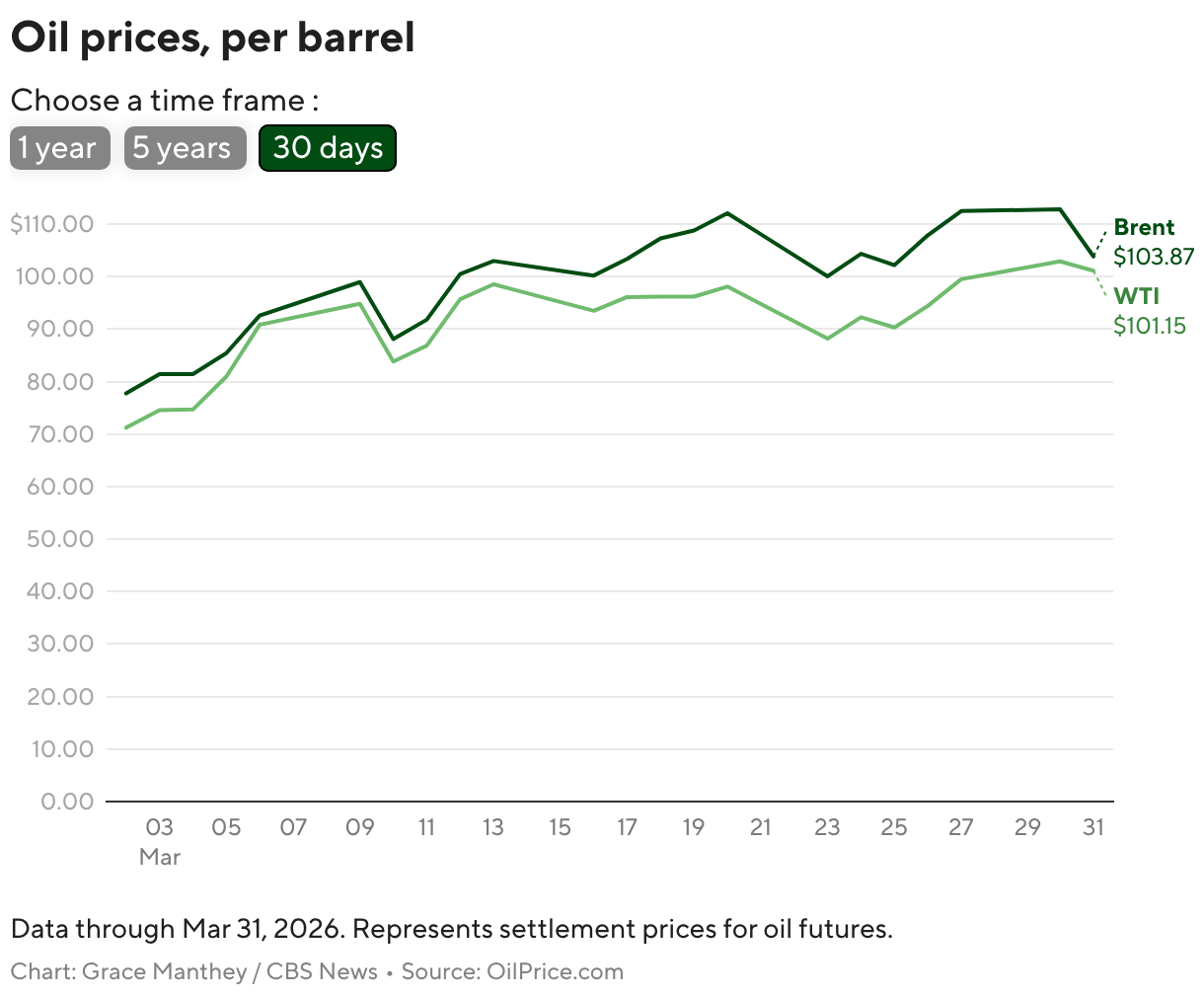
While Warsh noted that the Fed can’t control oil prices, he added that the central bank must ensure that the impact of higher energy costs doesn’t ripple through the rest of the economy.
“We cannot affect any individual price, whether it be oil prices, whether it be foodstuffs at the grocery store. But what we can do and will do is ensure that any changes in relative prices don’t broaden out,” he said.
The Fed is willing to buck the White House
Warsh’s commitment to subduing inflation is upping his credibility among investors — a vital reputational resource in how Fed officials manage expectations about the economy.
“After yesterday’s Fed meeting, not just because of the hike but also thanks to the hawkish tone, the new Fed Chair has established his credibility,” said Chris Low, chief economist at FHN Financial, in a research note.
After the Fed meeting ended, Mr. Trump on Wednesday afternoon posted on social media that he believes interest rates should be “1% or less, because we are the Best Credit in the World — BY FAR.” He added, “LOWER THE INTEREST RATES FOR THE UNITED STATES OF AMERICA, AND FAST!”
Economists interpreted Warsh’s comments about inflation as signaling the Fed is willing to do whatever it takes to reduce inflation, even if that means going against the White House.
“Hiking was the right move, and it restores Fed credibility that the central bank will curb inflation no matter what the White House or anyone else says,” Heather Long, chief economist at the Navy Federal Credit Union, said in an email.